Turmeric vs. Curcumin: Evidence-Based Guide to Natural Relief
Turmeric and Curcumin: The Ultimate Evidence-Based Guide to Natural Anti-Inflammatories
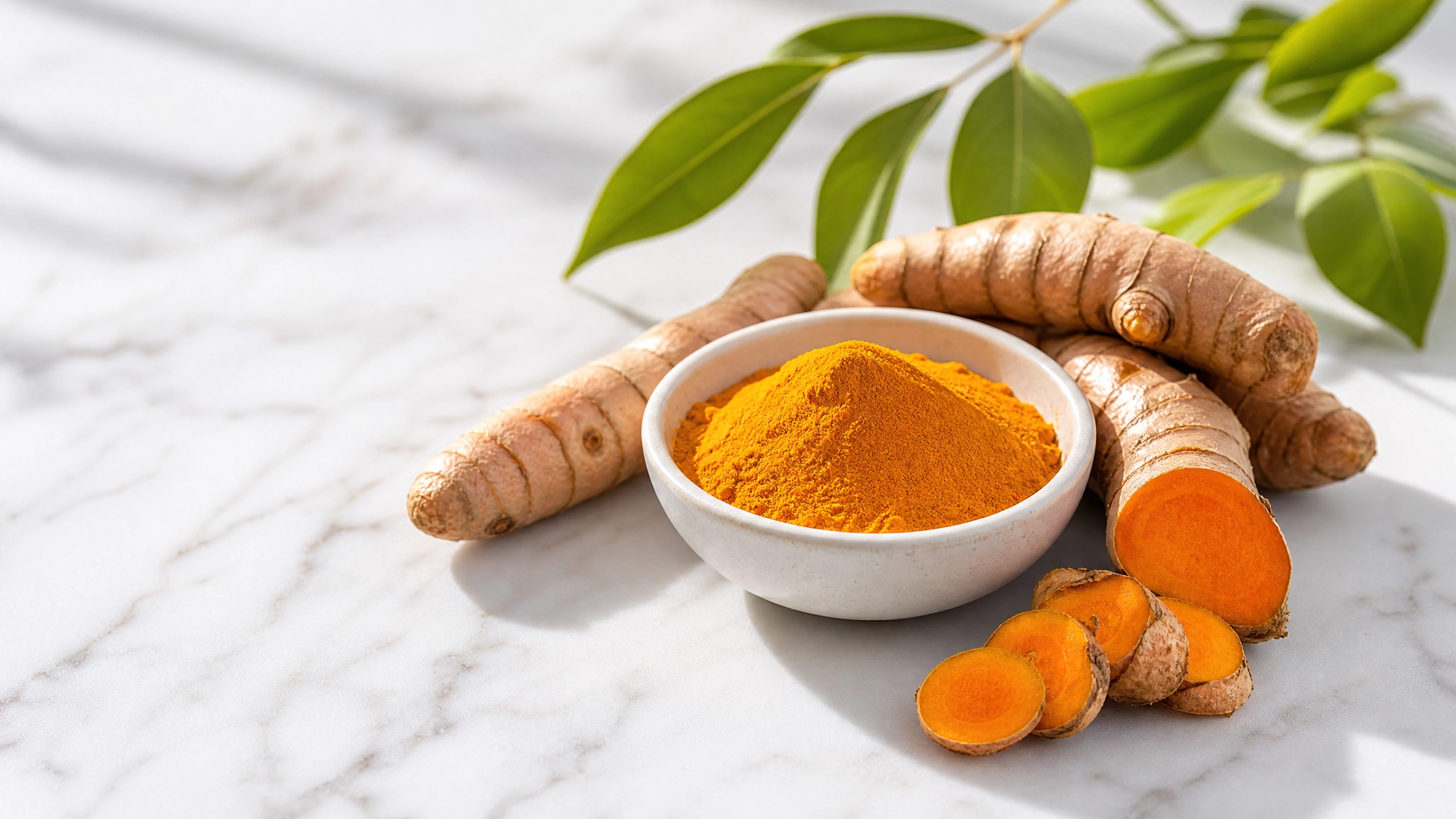
In the landscape of natural medicine, few compounds have garnered as much scientific attention as curcumin, the primary bioactive polyphenol found in the spice turmeric (Curcuma longa). Revered for millennia in Ayurvedic and Traditional Chinese Medicine, turmeric is now at the forefront of evidence-based research for its potent anti-inflammatory, antioxidant, and therapeutic properties.
This comprehensive guide, brought to you by HealthMedHub, delves into the science of turmeric and curcumin, exploring their mechanisms, clinical evidence, optimal usage, and safety considerations.
Understanding Inflammation and the Role of Curcumin
Inflammation is the body’s innate immune response to injury, infection, or cellular stress. While acute inflammation is protective, chronic low-grade inflammation is a silent driver behind numerous modern diseases, including cardiovascular disease, type 2 diabetes, arthritis, neurodegenerative disorders, and certain cancers.
Curcumin exerts its effects by modulating multiple molecular targets. Unlike single-mechanism pharmaceutical drugs, curcumin acts on several pathways simultaneously, making it a uniquely versatile natural anti-inflammatory.
Key Molecular Mechanisms of Action
Curcumin’s therapeutic effects are attributed to its ability to regulate key inflammatory mediators:
- Inhibition of NF-κB: Curcumin blocks the activation of nuclear factor kappa-light-chain-enhancer of activated B cells (NF-κB), a master transcription factor that controls the expression of pro-inflammatory genes (e.g., TNF-α, IL-1β, IL-6) (Aggarwal & Sung, 2009).
- Downregulation of COX-2 and LOX: Curcumin inhibits cyclooxygenase-2 (COX-2) and lipoxygenase (LOX) enzymes, reducing the production of pro-inflammatory prostaglandins and leukotrienes (Goel et al., 2008).
- Neutralization of Free Radicals: Its potent antioxidant activity directly scavenges reactive oxygen species (ROS), mitigating oxidative stress, which is both a cause and consequence of inflammation.
- Modulation of Inflammatory Cytokines: Curcumin reduces levels of C-reactive protein (CRP), a key blood marker of systemic inflammation (Sahebkar, 2014).
The Scientific Evidence: Curcumin in Clinical Trials
Numerous peer-reviewed studies have validated curcumin’s role in managing chronic inflammatory conditions.
Osteoarthritis and Rheumatoid Arthritis
- A systematic review of randomized controlled trials (RCTs) published in Phytotherapy Research found that curcumin significantly reduced pain and improved physical function in patients with osteoarthritis, comparable to non-steroidal anti-inflammatory drugs (NSAIDs) like ibuprofen, but with a superior safety profile (Daily et al., 2016).
- In rheumatoid arthritis, curcumin supplementation lowered markers of disease activity, including joint swelling and morning stiffness, by downregulating inflammatory cytokines (Chandran & Goel, 2012).
Metabolic Syndrome and Cardiovascular Health
- A meta-analysis of 11 RCTs demonstrated that curcumin supplementation significantly reduced serum CRP, a critical risk factor for cardiovascular disease (Sahebkar, 2014).
- Curcumin has also been shown to improve endothelial function, reduce LDL oxidation, and lower triglycerides (Panahi et al., 2016).
Cognitive Health and Neuroinflammation
- Chronic neuroinflammation is implicated in Alzheimer’s disease. Curcumin’s ability to cross the blood-brain barrier and reduce amyloid-beta aggregation and microglial activation has been demonstrated in both preclinical and human pilot studies (Ng et al., 2006, as cited by Mishra & Palanivelu, 2008).

Gastrointestinal Health
- Curcumin exhibits protective effects in inflammatory bowel disease (IBD), including ulcerative colitis and Crohn’s disease. Trials show it can induce and maintain remission when used alongside conventional therapy (Kumar et al., 2012).
Bioavailability: The Critical Challenge
Despite its remarkable potential, curcumin suffers from poor bioavailability due to rapid metabolism, low aqueous solubility, and poor systemic absorption. This is the most significant hurdle in translating laboratory success into clinical efficacy.
Strategies for Enhanced Absorption
Modern formulations overcome this through innovative delivery systems:
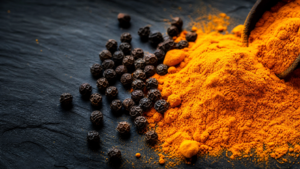
- Piperine (Black Pepper Extract): A 20-fold increase in absorption is achieved when curcumin is combined with piperine, which inhibits glucuronidation in the liver and gut (Shoba et al., 1998).
- Liposomal Curcumin: Encapsulation in lipid bilayers improves cellular uptake and circulation time.
- Phytosome Technology: Curcumin complexed with phospholipids (e.g., Meriva®) has shown 29-fold better absorption than standard curcumin.
- Solid Lipid Nanoparticles: These formulations offer sustained release and improved bioavailability.
Recommendation: When selecting a supplement, look for products explicitly labeled as “bioavailable curcumin” or those containing piperine.
Optimal Dosage and Usage
Based on clinical trials, effective daily dosages for curcumin range from 500 mg to 2,000 mg of standardized curcuminoid extract (containing 95% curcuminoids). The dosage depends on the condition being treated:
- General wellness/inflammation: 500–1,000 mg daily
- Osteoarthritis/arthritis: 1,000–1,500 mg daily, divided into two doses
- Metabolic support: 1,500 mg daily
- Gastrointestinal inflammation: 500–1,000 mg with meals
For fat-soluble absorption, always consume curcumin with a meal containing healthy fats (e.g., avocado, olive oil, or fatty fish).
Synergistic Nutrients to Enhance Curcumin’s Effect
Pairing curcumin with other anti-inflammatory agents can amplify its benefits:
- Boswellia serrata (Indian Frankincense): Works synergistically to inhibit 5-LOX, reducing joint pain.
- Bromelain (from pineapple): Enhances anti-inflammatory activity by breaking down inflammatory mediators.
- Quercetin: A flavonoid that complements curcumin’s antioxidant capacity.
- Ginger (Zingiber officinale): Contains gingerols, which also target COX and LOX pathways.
Potential Side Effects & Precautions
While curcumin is generally safe, it is not devoid of potential side effects. Awareness is crucial for safe usage.
Common Side Effects (Mild and Dose-Dependent)
- Gastrointestinal disturbances: Nausea, diarrhea, bloating, or stomach upset, particularly at high doses (above 2,000 mg/day).
- Constipation in some individuals.
- Increased motion or bowel frequency due to bile-stimulating effects.
Serious Risks and Contraindications
- Blood Thinning (Anticoagulant Effect): Curcumin has mild anti-platelet activity. Caution is required for individuals on warfarin (Coumadin), clopidogrel (Plavix), or apixaban (Eliquis). Concurrent use may increase bleeding risk.
- Gallbladder Issues: Curcumin stimulates bile production. Individuals with gallstones or bile duct obstruction should avoid therapeutic doses.
- Iron Deficiency: Curcumin can chelate iron, potentially reducing iron absorption in those with anemia or hemochromatosis.
- Drug Interactions:
- NSAIDs: While safe with food, concurrent high-dose use may increase risk of gastric irritation.
- Diabetes Medications: Curcumin may lower blood sugar; monitor for hypoglycemia when combined with insulin or sulfonylureas.
- Cytochrome P450 Substrates: Curcumin may alter metabolism of certain drugs (e.g., statins, benzodiazepines). Consult a healthcare provider.
Contraindicated Populations
- Pregnancy and Lactation: Avoid therapeutic doses; culinary use is safe. Some animal studies indicate high doses may stimulate uterine contractions.
- Pre-Surgery: Discontinue curcumin at least 2 weeks prior to elective surgery to minimize bleeding risk.
Selecting a High-Quality Curcumin Supplement
The market is flooded with substandard products. To ensure efficacy, look for:
- Standardization: Guaranteed to contain at least 95% curcuminoids (curcumin, demethoxycurcumin, bisdemethoxycurcumin).
- Bioavailability Enhancement: Contains piperine (e.g., BioPerine®), liposomal technology, or phytosome (e.g., Meriva®, Theracurmin®).
- Third-Party Testing: Certificates of analysis verifying purity, free from heavy metals, pesticides, and microbial contaminants.
- Reputable Brand: Choose manufacturers with Good Manufacturing Practices (GMP) certification.
Conclusion
The evidence supporting curcumin as a powerful, multi-target natural anti-inflammatory is robust. From modulating NF-κB to improving clinical outcomes in arthritis and metabolic syndrome, curcumin stands as a cornerstone of functional medicine. However, its clinical success hinges on bioavailability and appropriate dosing. When combined with a healthy, anti-inflammatory diet and lifestyle, curcumin offers a safe, well-tolerated alternative to conventional NSAIDs for chronic inflammation management.
Medical Disclaimer: The content provided on HealthMedHub is for informational purposes only and is not intended as a substitute for professional medical advice, diagnosis, or treatment.
References
- Aggarwal, B. B., & Sung, B. (2009). Pharmacological basis for the role of curcumin in chronic diseases: an age-old spice with modern targets. Trends in Pharmacological Sciences, 30(2), 85–94. [PubMed ID: