Immune & Gut Health: Manuka Honey’s Healing Power
The Potent Power of Medical-Grade Manuka Honey: A Naturopathic Deep Dive into Proven Benefits for Immunity, Digestion, and Skin Healing
In the vast landscape of natural remedies, few substances have garnered as much clinical respect as Medical-Grade Manuka Honey. Sourced from the nectar of the Leptospermum scoparium bush native to New Zealand, this unique honey is not your average pantry sweetener. What distinguishes Medical-Grade Manuka is its scientifically validated, superior antibacterial activity, primarily attributed to Methylglyoxal (MGO) . For practitioners focused on integrated wellness, Manuka offers a targeted, evidence-based tool for supporting immunity, digestive health, and dermal repair. This article explores the specific mechanisms and proven applications of this remarkable functional food.
What Defines “Medical-Grade” Manuka Honey?
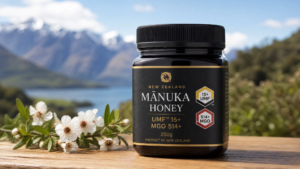
To qualify as medical-grade, the honey must meet a specific grading standard, most commonly the UMF™ (Unique Manuka Factor) rating. This system measures the concentration of signature marker compounds, including MGO, Dihydroxyacetone (DHA), and Leptosperin. A rating of UMF 10+ is generally considered the threshold for therapeutic benefit, while UMF 15+ to 20+ is used for targeted clinical interventions.
- Key Distinction: Not all Manuka is medical-grade. Table-grade Manuka lacks the consistent, high potency of MGO required for wound healing or internal therapeutic protocols.
- Standardization: The UMF grading ensures that the honey’s antibacterial potency is verified against a standard phenol equivalent, guaranteeing quality and predictability.
Proven Benefits for Immune Support
The immune-modulating properties of Medical-Grade Manuka extend far beyond general “cold-fighting” anecdotes. Its effects are grounded in potent biochemical actions.
Direct Antibacterial and Anti-Biofilm Activity
The high MGO concentration in Manuka creates a sustained, low-release oxidative stress environment that is lethal to pathogenic bacteria. Unlike hydrogen peroxide (found in most honey), MGO is stable and non-degradable by bodily enzymes.
- Broad-Spectrum Efficacy: Peer-reviewed research (e.g., in Frontiers in Microbiology) demonstrates Manuka’s effectiveness against antibiotic-resistant strains like MRSA (Methicillin-resistant Staphylococcus aureus) and Pseudomonas aeruginosa.
- Biofilm Disruption: Manuka uniquely disrupts the quorum sensing of bacteria, dismantling biofilms—slimy, protective layers that make infections chronic and difficult to treat. This is critical for managing persistent sinus or wound infections.
Modulation of Inflammation
While fighting infection, Manuka prevents an overzealous inflammatory response.
- Cytokine Regulation: Studies show Manuka reduces the secretion of pro-inflammatory cytokines (TNF-α, IL-6, IL-1β) while promoting anti-inflammatory mediators.
- Redox Balance: The honey provides a steady stream of antioxidants (flavonoids and phenolic acids) that scavenge free radicals, protecting immune cells from oxidative damage.
Naturopathic Application: For recurrent throat infections or a slowed immune response, 1 teaspoon of UMF 15+ Manuka taken daily (or at the first sign of illness) can support the body’s natural immune vigilance without harming beneficial gut flora.
Digestive Health: A Natural Gut Healer
The gastrointestinal tract is the epicenter of overall health. Medical-Grade Manuka acts as a selective prebiotic and a gentle antimicrobial, making it a unique tool for digestive resilience.
Combating Helicobacter pylori (H. pylori)
One of the most compelling areas of research involves Manuka’s effect on H. pylori, a bacterium linked to gastritis, ulcers, and gastric cancer.
- Mechanism of Action: MGO inhibits the urease enzyme produced by H. pylori, neutralizing its ability to survive in the acidic stomach environment.
- Clinical Evidence: A study in the Journal of the Royal Society of Medicine found that daily Manuka honey consumption (UMF 10+) alongside a standard antibiotic protocol significantly enhanced H. pylori eradication rates and reduced side effects.
- Anti-Adhesive Properties: Manuka prevents the pathogen from adhering to the stomach lining, reducing the bacterial load without the collateral damage of systemic antibiotics.


Supporting the Gut Microbiome and Reducing Inflammation
Unlike broad-spectrum antibiotics that indiscriminately kill gut bacteria, Manuka demonstrates a selective antimicrobial profile.
- Friendly Flora Protection: It effectively targets pathogenic species (e.g., Clostridium difficile) while sparing beneficial Lactobacillus and Bifidobacterium species.
- Mucosal Barrier Repair: The honey’s high osmolarity and enzymatic components support the regeneration of tight junction proteins in the intestinal lining. This is beneficial for managing conditions characterized by Leaky Gut Syndrome (intestinal permeability) .
Naturopathic Application: For mild gastritis or post-meal bloating, a small amount (e.g., ½ to 1 teaspoon) of UMF 12+ Manuka taken on an empty stomach 20 minutes before meals can soothe irritation and create an environment less hospitable to pathogens.
Skin Healing and Wound Management
This remains the most extensively studied application of Medical-Grade Manuka. It has been adopted in wound care centers globally for its ability to manage complex, chronic wounds.
Promoting Autolytic Debridement
The moisture-donating properties of Manuka create a moist wound environment that facilitates autolytic debridement—the body’s natural process of breaking down dead, non-viable tissue.
- Osmotic Action: The sugar content draws fluid (exudate) from the wound bed, cleaning the site and reducing edema.
- Enzymatic Cleansing: It activates proteases that digest slough and necrotic tissue without harming healthy granulation tissue.
Accelerating Tissue Regeneration
Manuka directly stimulates the cellular players responsible for wound closure.
- Fibroblast Proliferation: Active compounds in the honey accelerate the division and migration of fibroblasts, the cells that synthesize collagen.
- Angiogenesis: It promotes the formation of new blood capillaries (angiogenesis), which is critical for delivering oxygen and nutrients to the healing tissue.
- Pain Reduction: By coating nerve endings and reducing inflammation, Manuka dressings often lead to immediate pain relief for patients with burns or venous ulcers.
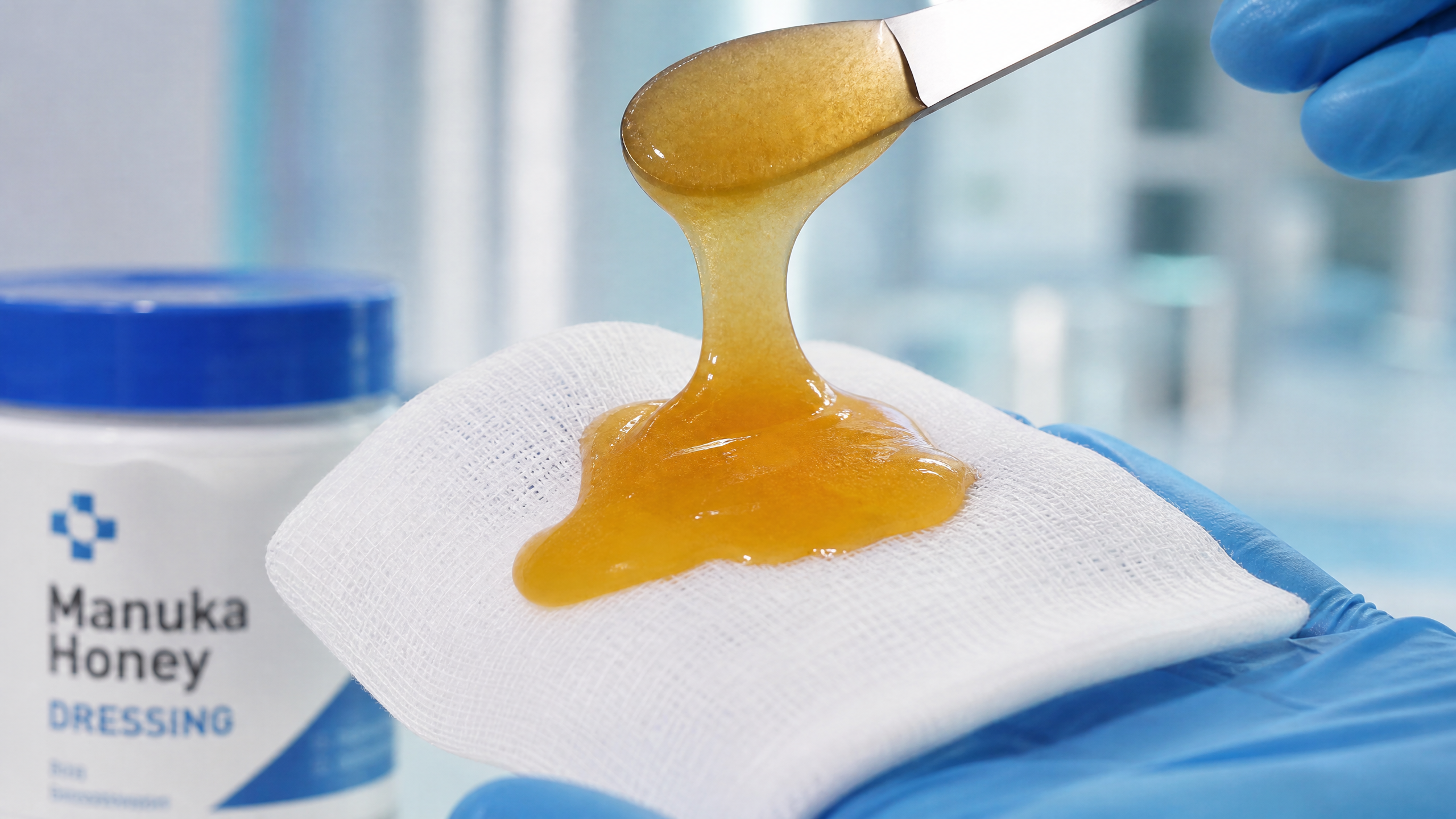
Naturopathic Application: For minor burns, abrasions, or slow-healing wounds, a thin layer of Medical-Grade Manuka (UMF 15+) applied directly to the cleaned wound and covered with a sterile gauze dressing can be changed every 12–24 hours.
Potential Side Effects & Precautions
While remarkably safe, Medical-Grade Manuka is a potent therapeutic agent and requires responsible use.
- Allergic Reactions: Individuals allergic to bees, pollen, or Leptospermum (tea tree) plants may experience contact dermatitis, rash, or anaphylaxis. Perform a patch test on intact skin before topical application.
- Blood Sugar and Weight: Manuka is high in natural sugars. Despite its health benefits, it should be used sparingly by individuals with diabetes or those on strict carbohydrate-controlled diets. Monitor blood glucose closely when using it internally.
- Botulism Risk for Infants: Honey of any kind should never be given to infants under 12 months of age due to the risk of infant botulism (spore contamination). This applies equally to Medical-Grade Manuka.
- Drug Interactions: The sugar content may affect the absorption of certain medications. Use with caution in those on strong immunosuppressants or anticoagulants, and consult a healthcare professional for high-dose internal use.
- Wound Care Caution: While effective, improper use in deep, tunneling, or heavily infected wounds can trap bacteria. These cases should always be managed under the guidance of a wound care specialist.
How to Select and Store Medical-Grade Manuka
To ensure you receive the promised benefits, quality selection is non-negotiable.
- Look for the UMF™ Certification: This is the gold standard. Avoid products labeled only with a “MGO” rating without an accompanying UMF rating or batch traceability.
- Check the Source: Authentic Manuka is harvested in New Zealand. Look for clear labeling indicating the source and the UMF license number of the exporter.
- Storage: Store in a cool, dry place (below 70°F / 21°C) away from direct sunlight. Do not refrigerate as this causes crystallization and reduces its beneficial enzymatic activity. Crystallization is natural and does not affect quality; simply warm the jar gently in a bowl of warm water to reliquefy.
Conclusion
Medical-Grade Manuka honey transcends the realm of folklore, offering a powerful, scientifically validated option for supporting immune resilience, digestive integrity, and skin regeneration. Its unique MGO content provides a stable and effective antibacterial action, while its anti-inflammatory and tissue-repairing properties make it a valuable ally in naturopathic practice. Used with appropriate knowledge and respect for its potency, Manuka stands as a beacon of evidence-based natural medicine.
References
- Carter, D. A., et al. (2016). “Antibacterial activity of manuka honey and its components: An overview.” Frontiers in Microbiology, 7, 566. doi:10.3389/fmicb.2016.00566