
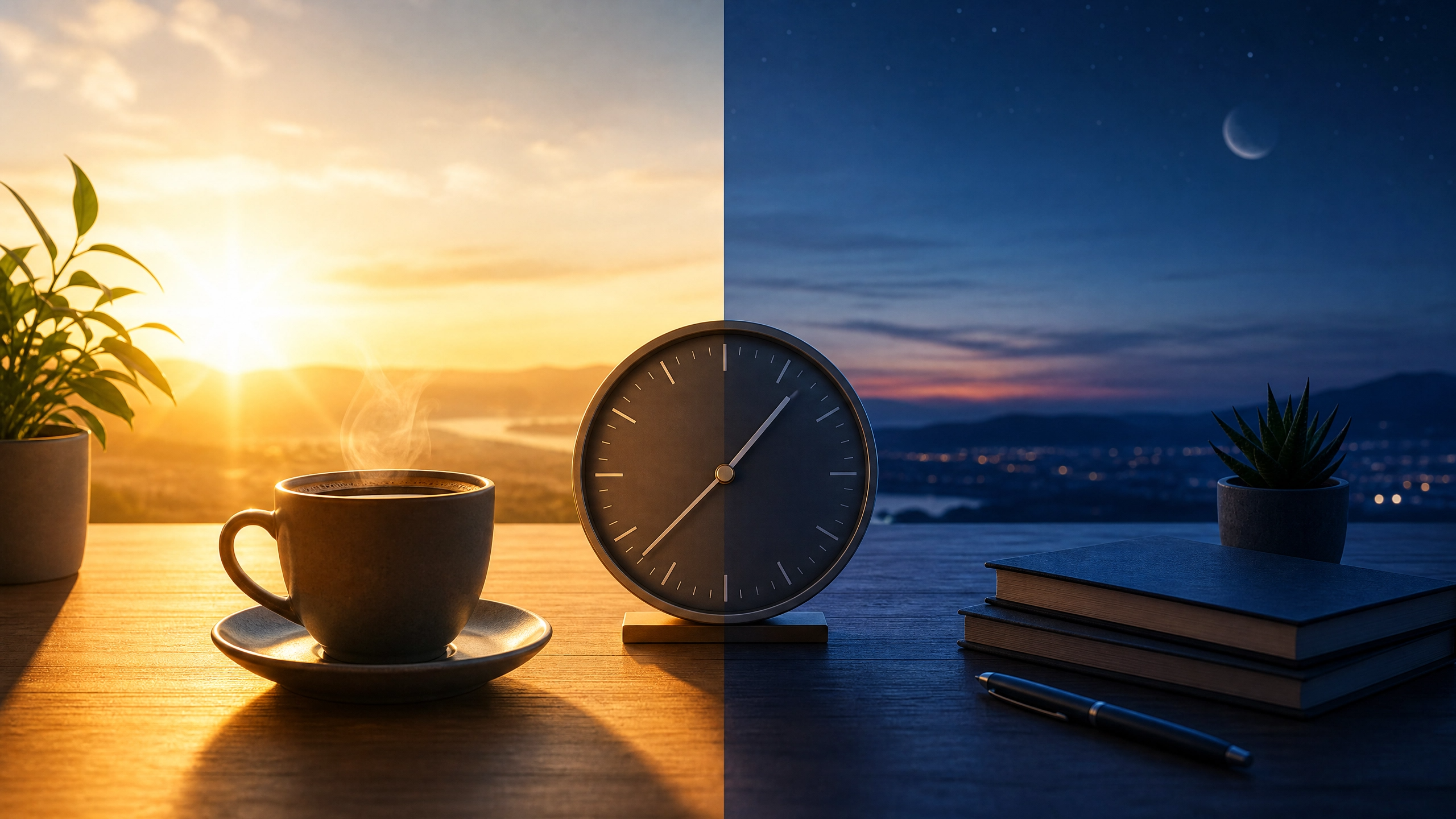
Unlock Deep Sleep: Time Caffeine for Natural Energy
The Circadian Connection: Mastering Caffeine Timing for Optimal Sleep Recovery and Natural Energy
In the modern pursuit of productivity, caffeine is often the first line of defense against fatigue. However, for millions, this reliance comes at a steep cost: disrupted sleep cycles, reduced sleep quality, and a chronic dependency that paradoxically worsens energy levels over time. At HealthMedHub, we delve into the science of caffeine timing—a precision-based strategy that leverages your body’s natural circadian rhythms to maximize alertness without sacrificing restorative sleep. This guide provides evidence-based protocols for using caffeine as a tool for energy, not a crutch for insomnia.
Understanding the Pharmacokinetics of Caffeine: The Half-Life Effect
To master caffeine timing, one must first understand its metabolic journey. Caffeine’s primary mechanism is antagonizing adenosine receptors. Adenosine is a neurotransmitter that accumulates throughout the day, creating “sleep pressure” (Reichert et al., 2022). By blocking adenosine, caffeine temporarily staves off fatigue.
- Half-Life: In healthy adults, caffeine has a half-life of approximately 5–6 hours (Nehlig, 2018). This means that if you consume 200mg of caffeine at 2:00 PM, roughly 100mg remains active in your system at 7:00–8:00 PM.
- Metabolism Variability: Genetic variations in the CYP1A2 enzyme can slow metabolism significantly. “Slow metabolizers” may experience a half-life of up to 9–11 hours, greatly increasing the risk of sleep disruption (Cornelis, 2019).
Key Takeaway: The impact of caffeine on sleep is not just about the time you fall asleep; it’s about the depth and architecture of sleep hours later.
The Critical “Caffeine Cutoff Window”
Research published in the Journal of Clinical Sleep Medicine indicates that caffeine consumed even 6 hours before bedtime can reduce total sleep time by over 1 hour (Drake et al., 2013). The optimal cutoff is based on your intended bedtime.
Calculating Your Personalized Cutoff
To prevent adenosine from being fully blocked during your sleep window, apply this rule:
Cease caffeine consumption at least 8–10 hours before your planned bedtime.
- Example: For a 10:00 PM bedtime, your last caffeine intake should be no later than 12:00 PM–2:00 PM.
- Why 8–10 hours? This allows for nearly two complete half-lives, reducing caffeine concentration to approximately 25% of the original dose. This residual level is less likely to disrupt the deep sleep stages (N3 and REM) crucial for recovery.
The “Golden Window” for Caffeine Intake
Strategic timing can enhance alertness without harming sleep. The body’s natural cortisol peak occurs approximately 30–60 minutes after waking. Consuming caffeine immediately upon rising can blunt this natural alertness signal and lead to a mid-afternoon crash (Miller et al., 2022).
- Optimal First Dose: Wait 90–120 minutes after waking. This allows cortisol to decline naturally, making caffeine’s effect more potent and longer-lasting.
- Strategic “Nap-Puccino”: For a sudden energy dip at 1:00 PM–2:00 PM, consume a small dose (50–100mg) of caffeine immediately before a 20-minute power nap. The caffeine and sleep cycle synergize to combat post-lunch drowsiness without affecting sleep later that evening.
Natural Energy Strategies Without Insomnia
If you are prone to caffeine sensitivity or wish to reduce dependence, natural bio-hacks can restore energy without disrupting sleep architecture.
1. Light Exposure as a Caffeine Substitute
Morning exposure to blue-spectrum light suppresses melatonin production and sets the circadian clock. A 15–30 minute walk outdoors (without sunglasses) within the first hour of waking can boost alertness by 30–40% (Cajochen et al., 2005).
2. Strategic Carbohydrate and Protein Pairing
The body’s energy levels are profoundly affected by blood glucose stability. High-glycemic carbohydrates trigger an insulin surge, driving tryptophan into the brain and promoting serotonin/melatonin production—inducing sleepiness.
- Morning Fuel: Pair protein (e.g., eggs, Greek yogurt) with complex carbs (e.g., oatmeal, berries) to provide a steady glucose release.
- Afternoon Snack: Avoid simple sugars. Opt for almonds or an apple with peanut butter to prevent the 3:00 PM crash.
3. Breathing Techniques for Circadian Reset
Diaphragmatic breathing (specifically the “physiological sigh”—two inhales through the nose, then a long exhale) activates the parasympathetic nervous system. This can reduce the stress-induced cortisol elevation that mimics caffeine sensitivity, allowing for better sleep quality.
Potential Side Effects & Precautions
While caffeine is generally safe for healthy adults (up to 400mg daily per FDA guidelines), misuse of timing can lead to significant health concerns.
- Chronic Sleep Debt: Even if you feel “asleep,” caffeine-induced fragmentation of deep sleep impairs glycogen replenishment in the brain and reduces growth hormone secretion. This can lead to cognitive fog and mood instability (O’Callaghan et al., 2018).
- Increased Anxiety and Jitters: Consuming caffeine too late in the day can elevate sympathetic nervous system activity, leading to tremors, palpitations, and heightened anxiety, especially in slow metabolizers.
- Rebound Fatigue: Over-reliance on afternoon caffeine can create a cycle of poor sleep followed by excessive caffeine consumption, culminating in a state of adrenal exhaustion.
- Interaction with Medications: Caffeine can interact with certain antibiotics (e.g., ciprofloxacin) and bronchodilators (e.g., theophylline), increasing their potency and side effect risk.
- Gastrointestinal Distress: Late-day caffeine on an empty stomach can increase gastric acid production, leading to heartburn or GERD symptoms.
Precaution: Pregnant individuals, those with anxiety disorders, or anyone on prescription stimulants or blood pressure medication should consult a healthcare provider before altering caffeine intake.
References
- Cajochen, C., et al. (2005). High sensitivity of human melatonin, alertness, thermoregulation, and heart rate to short wavelength light. Journal of Clinical Endocrinology & Metabolism, 90(3), 1531–1536.
- Cornelis, M. C. (2019). The impact of caffeine and coffee on human health. Nutrients, 11(7), 1598.
- Drake, C., et al. (2013). Caffeine effects on sleep taken 0, 3, or 6 hours before going to bed. Journal of Clinical Sleep Medicine, 9(11), 1195–1200.
- Miller, E. A., et al. (2022). Circadian rhythms and caffeine: A translational review. Sleep Medicine Reviews, 65, 101678.
- Nehlig, A. (2018). Effects of coffee/caffeine on brain health and disease: What should I tell my patients? Practical Neurology, 18(2), 112–118.
- O’Callaghan, F., et al. (2018). Caffeine intake and sleep duration during pregnancy. European Journal of Clinical Nutrition, 72(2), 229–235.
- Reichert, C. F., et al. (2022). Adenosine and sleep. Current Opinion in Neurobiology, 72, 85–91.
Medical Disclaimer: The content provided on HealthMedHub is for informational purposes only and is not intended as a substitute for professional medical advice, diagnosis, or treatment.