Heal Your Gut Naturally: Nutrition & Lifestyle Fixes
Leaky Gut Support Through Nutrition and Lifestyle Foundations
In the world of functional medicine and integrative gastroenterology, the term “leaky gut” has gained significant traction. Scientifically referred to as intestinal permeability, this condition describes a breakdown in the intestinal barrier, allowing undigested food particles, toxins, and microbes to “leak” into the bloodstream. This process can trigger systemic inflammation and has been linked to autoimmune diseases, food sensitivities, irritable bowel syndrome (IBS), and metabolic disorders.
At HealthMedHub, we take a foundational approach. This article explores the evidence-based nutritional and lifestyle strategies that directly support the repair and maintenance of the gut barrier. We will focus on the mechanisms of action—specifically, how diet and daily habits modulate tight junction proteins, reduce intestinal inflammation, and restore mucosal integrity.
Understanding the Gut Barrier: More Than Just a Tube
The intestinal lining is a single layer of cells known as enterocytes, held together by tight junction proteins (e.g., occludin, claudin, and ZO-1). These junctions act as gatekeepers, regulating the paracellular transport of substances. When these junctions become compromised—due to chronic stress, poor diet, dysbiosis, or toxins—the barrier fails. This is the core pathology of leaky gut.
Supporting the gut barrier requires a dual approach: remove the irritants and provide the raw materials for repair.
Part 1: Nutritional Foundations for Gut Barrier Integrity
Nutrition is the most powerful lever for influencing gut health. The following nutrients and dietary patterns have demonstrated clinical efficacy in reducing intestinal permeability.
1. L-Glutamine: The Enterocyte’s Fuel
L-Glutamine is the most abundant amino acid in the body and the primary fuel source for enterocytes. Research published in Gut and Clinical Nutrition indicates that glutamine is essential for maintaining tight junction integrity. It directly stimulates the proliferation of intestinal cells and modulates the expression of heat shock proteins, which protect the gut lining from stress.
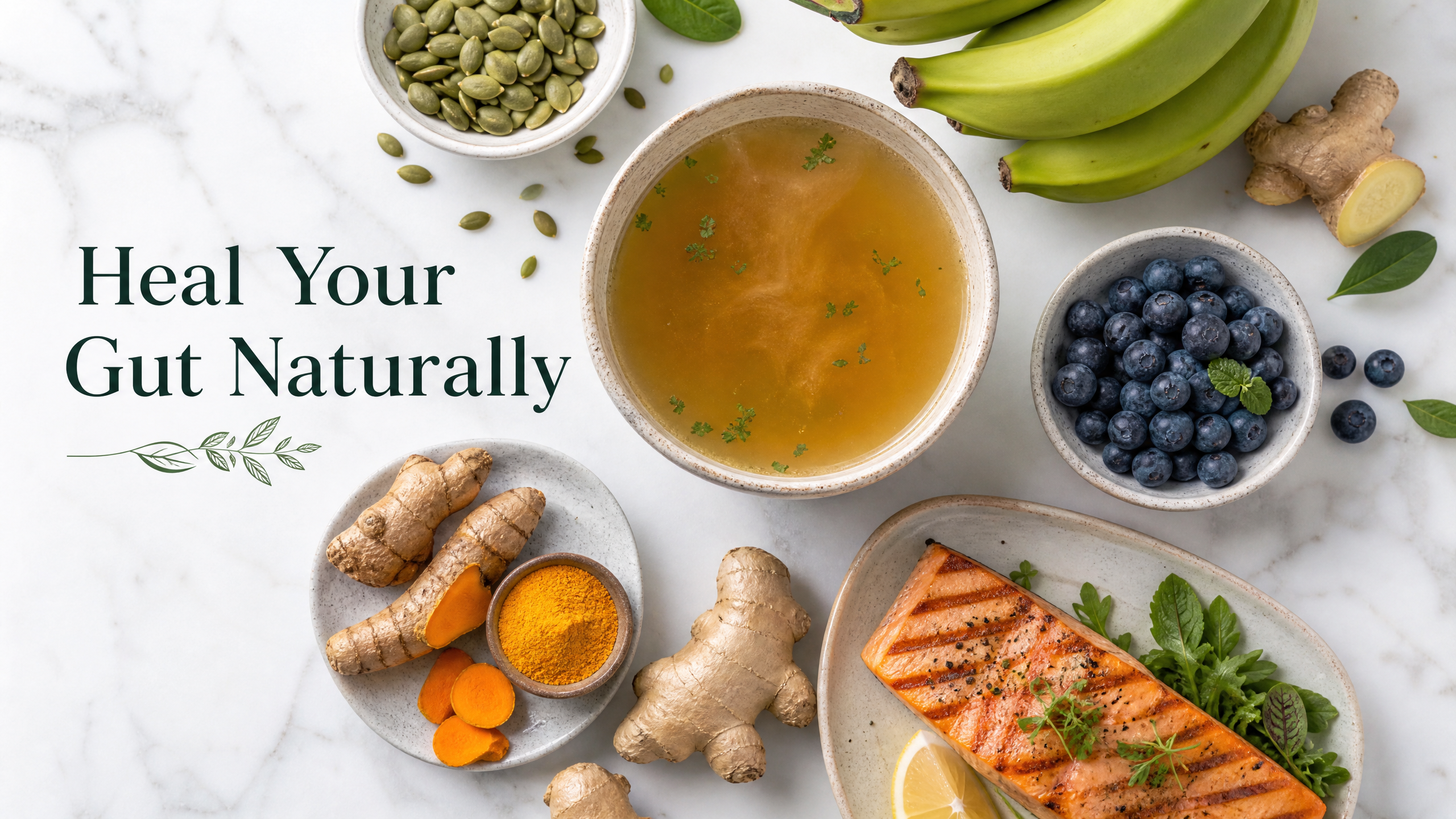
- Sources: Bone broth, beef, chicken, fish, eggs, and supplemental L-glutamine powder.
- Recommended Dosage (Supplemental): 5–15 grams daily, divided into two doses. Note: Always consult a healthcare provider before starting high-dose amino acid supplementation.
2. Zinc Carnosine: The Targeted Repair Agent
Zinc is a critical cofactor for over 300 enzymes involved in tissue repair. Specifically, zinc-carnosine (a chelated form) has been shown to stabilize the gut mucosa and prevent tight junction disruption. A study in Alimentary Pharmacology & Therapeutics found that zinc-carnosine reduced intestinal permeability in patients with inflammatory bowel disease (IBD).
- Sources: Oysters, red meat, pumpkin seeds, and targeted supplements.
- Key Mechanism: Zinc inhibits inflammatory cytokines (like IL-6 and TNF-alpha) that degrade tight junction proteins.
3. Collagen and Gelatin: Structural Support
Bone broth and collagen supplements are rich in glycine and proline, amino acids that serve as building blocks for connective tissue. The intestinal lining contains a layer of collagen, and glycine has been shown to reduce intestinal inflammation and oxidative stress. While direct human trials on leaky gut are limited, rodent models demonstrate that collagen hydrolysate improves gut barrier function.
- Practical Tip: Incorporate bone broth (1 cup daily) or a high-quality collagen peptide supplement into your morning routine.
4. Short-Chain Fatty Acids (SCFAs) via Prebiotic Fiber
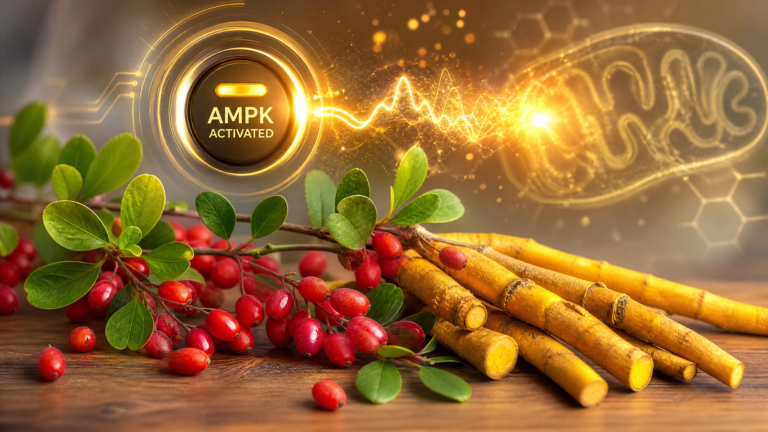
SCFAs, especially butyrate, are the preferred fuel for colonocytes. They tighten the gut barrier by increasing mucin production and activating AMP-activated protein kinase (AMPK), which strengthens tight junctions. Butyrate is produced when gut bacteria ferment soluble fiber.
- Top Prebiotic Foods: Bananas (green), oats, garlic, onions, leeks, asparagus, and artichokes.
- Supplement Option: Butyrate in the form of tributyrin or sodium butyrate (capsules).
5. Polyphenols: Anti-Inflammatory Antioxidants
Polyphenols like quercetin, curcumin, and resveratrol reduce oxidative stress and block the release of pro-inflammatory cytokines. Quercetin, found in capers and apples, directly stabilizes mast cells in the gut lining, preventing the release of histamine that can widen tight junctions.
- Key Foods: Berries, dark chocolate (85%+), green tea, turmeric, and red grapes.
The Leaky Gut Diet: What to Avoid
Just as important as what you add is what you remove. The following foods are known to directly disrupt tight junction integrity:
- Gluten: Gliadin (a peptide in gluten) triggers zonulin release, a protein that opens tight junctions. This is well-documented in both celiac and non-celiac gluten sensitivity.
- Alcohol: Ethanol directly damages enterocytes and increases intestinal permeability.
- Processed Oils: Omega-6 rich oils (soybean, corn, canola) promote inflammation.
- Artificial Sweeteners: Saccharin and sucralose have been shown to alter the gut microbiome and increase intestinal permeability in animal models.
Part 2: Lifestyle Interventions That Directly Impact Gut Integrity
1. Stress Management: The Vagus Nerve Connection
Chronic stress leads to elevated cortisol levels, which degrade the gut barrier via mucosal mast cell activation. The vagus nerve acts as the primary communication highway between the brain and gut. Activating the vagus nerve can reduce intestinal inflammation and improve barrier integrity.
- Evidence-Based Techniques:
- Deep, slow breathing (5 seconds in, 5 seconds out) – activates the parasympathetic nervous system.
- Cold exposure – brief cold showers can stimulate vagal tone.
- Mindfulness meditation – a 2018 study in Translational Psychiatry found that mindfulness reduced markers of intestinal permeability in stressed individuals.
2. Sleep Hygiene: The Nightly Repair Cycle
Sleep is the body’s primary repair phase. The gut barrier undergoes its most significant regeneration during slow-wave sleep. Disrupted sleep (even one night of poor sleep) can increase intestinal permeability as measured by the lactulose/mannitol test.
- Actionable Steps:
- Aim for 7–9 hours of uninterrupted sleep.
- No blue light exposure 1 hour before bed.
- Maintain a consistent wake-up time to regulate the circadian rhythm.
3. Exercise: Moderation Over Intensity
Moderate exercise (30–40 minutes of brisk walking or cycling) improves gut barrier function by increasing blood flow to the intestines and promoting a diverse microbiome. However, extreme endurance exercise (e.g., marathons) can temporarily increase intestinal permeability due to heat stress and splanchnic hypoperfusion.
- Recommendation: Low-to-moderate intensity exercise five times per week. Avoid heavy exertion immediately after eating.
The 4R Framework: A Foundation for Gut Repair
Functional medicine practitioners often use the 4R Program to address leaky gut. This framework integrates the nutritional and lifestyle strategies mentioned above:
- Remove: Eliminate trigger foods (gluten, dairy, alcohol, processed foods) and pathogens.
- Replace: Add digestive enzymes and stomach acid (HCL) if needed.
- Reinoculate: Introduce beneficial bacteria via probiotics (Lactobacillus and Bifidobacterium strains) and prebiotic fiber.
- Repair: Provide nutrients from this article—glutamine, zinc, collagen, and SCFAs.
Potential Side Effects & Precautions
While the nutritional and lifestyle approaches outlined are generally safe for most individuals, there are important considerations:
- L-Glutamine: May cause gastrointestinal discomfort (bloating, gas) at high doses. Individuals with epilepsy or severe liver disease should use caution and consult a physician, as glutamine can potentially increase ammonia levels.
- Zinc Carnosine: Can cause nausea or a metallic taste if taken on an empty stomach. Long-term high-dose zinc supplementation (over 40 mg/day) can lead to copper deficiency.
- Collagen Peptides: Generally well-tolerated, but rare cases of allergic reactions (e.g., to bovine or marine sources) have been reported.
- High-Fiber Prebiotics: Can cause significant gas and bloating in individuals with Small Intestinal Bacterial Overgrowth (SIBO). If you experience worsening symptoms, reduce fiber intake and work with a practitioner before proceeding.
- Herbal Supplements: Curcumin (turmeric) can interact with blood thinners (e.g., warfarin) and may cause stomach upset in sensitive individuals.
- Dietary Changes: Rapid elimination of gluten or dairy may lead to temporary withdrawal symptoms or energy dips. Transition gradually and ensure adequate nutrient intake.
Important: If you have a diagnosed medical condition (e.g., Crohn’s disease, ulcerative colitis, cancer, or liver disease), do not initiate any new supplement regimen without direct supervision from your healthcare provider.
References
- Fasano, A. (2020). Zonulin, regulation of tight junctions, and autoimmune diseases. Annals of the New York Academy of Sciences, 1458(1), 13–25. doi:10.1111/nyas.14398
- Rao, R., & Samak, G. (2012). Role of glutamine in protection of intestinal epithelial tight