The Science of Cupping: Benefits, Dry vs. Wet Methods
A Complete Beginner’s Guide to Cupping Therapy (Al-Hijama): Scientific Mechanisms, Evidence-Based Health Benefits, and the Exact Differences Between Dry and Wet Cupping
Cupping therapy, also known as Al-Hijama in Arabic, is one of the oldest documented medical practices, originating over 3,000 years ago in ancient Egyptian, Chinese, and Middle Eastern cultures. Today, cupping therapy has experienced a global resurgence, largely driven by its endorsement by elite athletes and celebrities, as well as emerging scientific research.
This comprehensive beginner’s guide will break down the scientific mechanisms behind cupping, examine evidence-based health benefits, and clarify the exact differences between dry and wet cupping. By the end, you will have a clear, accurate understanding of what cupping therapy truly involves and whether it might be right for you.
What Is Cupping Therapy? A Historical and Scientific Overview
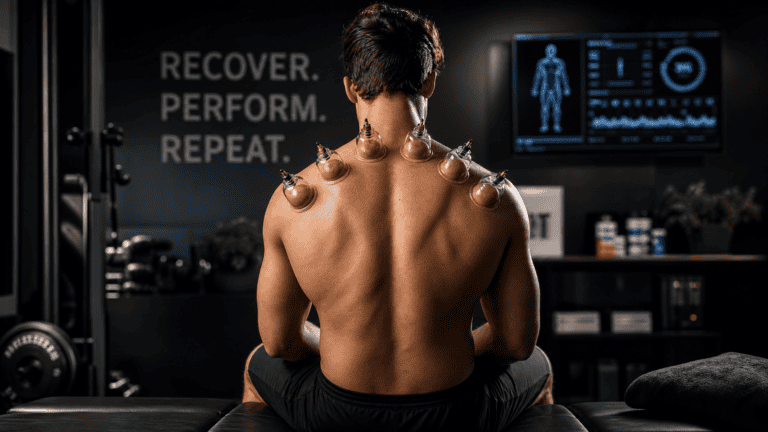
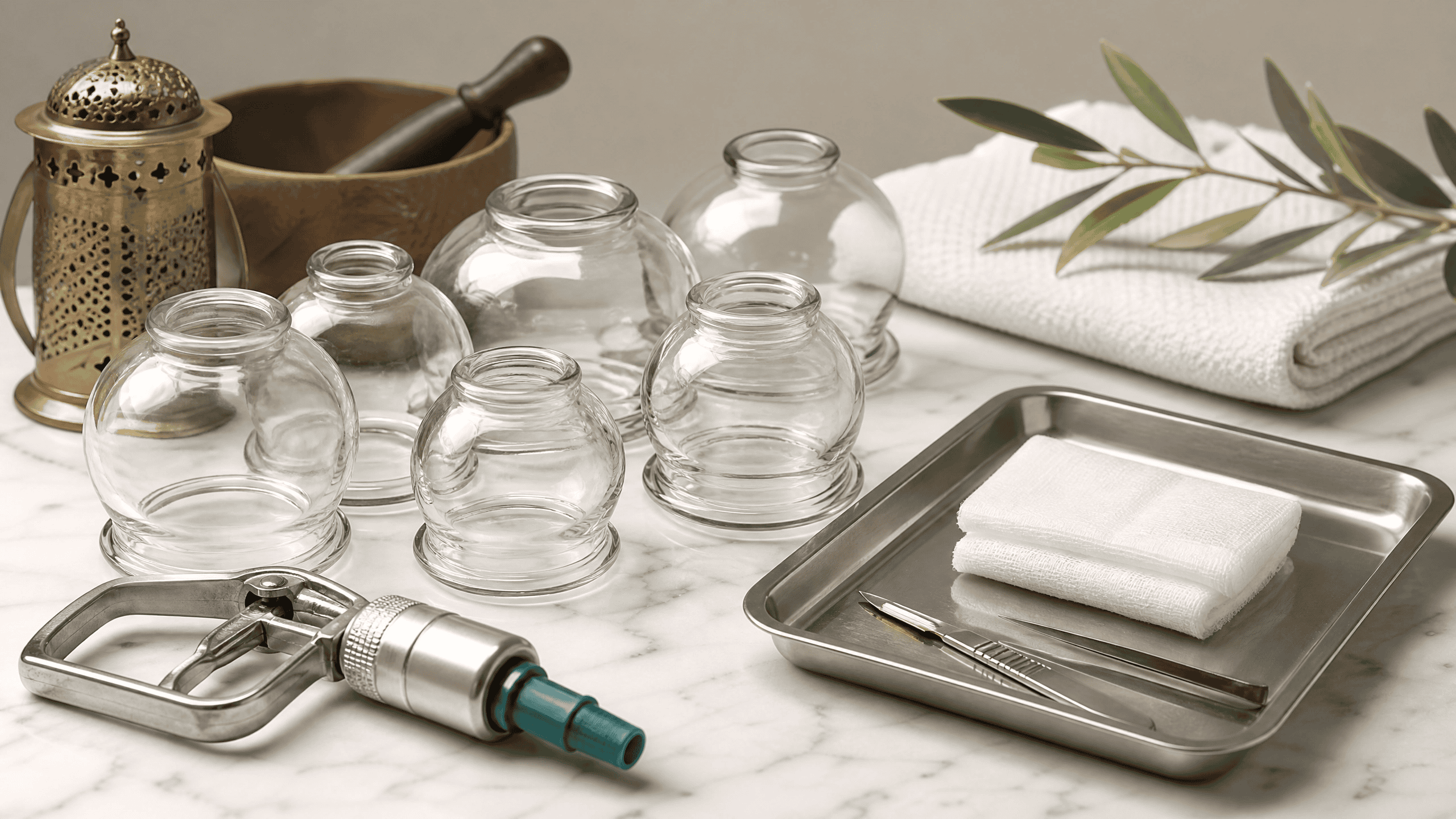
Cupping therapy involves placing specialized cups—traditionally made of glass, bamboo, or silicone—on the skin to create a negative pressure (suction). This suction pulls the underlying tissue and blood vessels upward into the cup, increasing blood flow to the treated area.
Historically, cupping was used to treat everything from fever and pain to infertility and respiratory conditions. While modern medicine does not endorse all historical claims, controlled clinical trials have validated several benefits of cupping, particularly for pain management and musculoskeletal conditions.
The Scientific Mechanisms Behind Cupping Therapy
The therapeutic effects of cupping are not merely anecdotal. Research published in journals like PLOS ONE and BMJ Open has identified several physiologic mechanisms:
1. Mechanical Deformation and Stretching
The suction force mechanically stretches the skin and superficial fascia. This triggers mechanoreceptors in the skin and muscles, which can reduce muscle tension, improve joint mobility, and alter pain perception through the gate control theory of pain.
2. Increased Local Blood Flow (Hyperemia)
Negative pressure causes local vasodilation (widening of blood vessels), increasing blood flow by 2–5 times compared to normal resting levels. This enhanced circulation delivers oxygen and nutrients while removing metabolic waste products like lactic acid.
3. Modulation of the Immune System
Dry cupping causes a controlled inflammatory response. Studies show it upregulates anti-inflammatory cytokines (such as IL-10) and downregulates pro-inflammatory markers (like TNF-α and IL-6), potentially reducing systemic inflammation.
4. Pain Gate Mechanism
Suction stimulates A-beta nerve fibers, which carry non-painful sensory information. This “closes the gate” to pain signals traveling along C-fibers, providing temporary but significant analgesia (pain relief).
Evidence-Based Health Benefits of Cupping Therapy
Multiple systematic reviews and meta-analyses have examined cupping’s clinical effectiveness. According to a 2018 meta-analysis published in BMJ Open, cupping therapy shows moderate to strong evidence for the following:
| Condition | Evidence Level | Clinical Outcome |
|---|---|---|
| Chronic neck and low back pain | Strong | Significant pain reduction compared to standard care |
| Migraine and tension headaches | Moderate | Reduced frequency and intensity of attacks |
| Myofascial pain syndrome | Moderate | Improved trigger point release and range of motion |
| Fibromyalgia | Moderate | Reduced pain severity and tender point count |
| Herpes zoster (shingles) pain | Moderate | Reduced post-herpetic neuralgia |
| Post-operative pain | Moderate | Reduced opioid requirement |
A notable 2015 randomized controlled trial in Evidence-Based Complementary and Alternative Medicine found that wet cupping reduced migraine intensity by over 60% in participants, with effects lasting up to 8 weeks.
The Exact Differences Between Dry and Wet Cupping
This distinction is critical for understanding cupping therapy. While both share the same foundational principles of suction, the procedures, applications, and risks differ significantly.
Dry Cupping
Definition: Application of suction without any blood removal. Cups are placed for 5–15 minutes, creating circular marks (ecchymosis) that fade within 1–7 days.
Procedure:
- Cup placed on skin, suction created via heat (fire cupping) or pump.
- Left in place for 5–15 minutes.
- No incisions or blood extraction.
Primary Targets:
- Muscle tension and joint stiffness
- Chronic pain syndromes (non-inflammatory)
- Sports recovery and flexibility enhancement
Safety Profile: Very low risk. Potential for minor bruising, temporary discomfort, and skin irritation. Contraindicated in bleeding disorders and on areas with skin lesions.
Wet Cupping (Al-Hijama)
Definition: Suction combined with controlled scarification (micro-incisions) to draw a small amount of blood (50–100 ml) from the skin.
Procedure:
- Cup applied with mild suction for 2–3 minutes.
- Cup removed, small superficial incisions made (0.5–1 mm depth) using a sterile scalpel.
- Cup reapplied with stronger suction for 5–10 minutes to draw blood.
- Area cleaned and bandaged.
Primary Targets:
- Detoxification claims (historically) but evidence supports:
- Migraine and headache relief
- Chronic pain (especially inflammatory types)
- Herpes zoster (shingles)
- Hepatic conditions (some preliminary evidence)
Safety Profile: Higher risk than dry cupping due to bleeding. Must be performed by trained, licensed practitioners using sterile equipment. Risk of infection, excessive bleeding, scarring, and anemia if overused.
Potential Side Effects & Precautions
While cupping is generally safe when performed correctly, awareness of potential adverse effects is essential:
- Common (affects >10%): Mild bruising, soreness at cupping sites, dizziness (especially in wet cupping)
- Uncommon (1–10%): Skin infections (if sterile protocol not followed), keloid scarring, syncope (fainting) in sensitive individuals
- Rare (<1%): Burns (with improper fire cupping), severe anemia (from excessive wet cupping frequency), subcutaneous emphysema (air trapped under skin)
- Contraindications: Active bleeding disorders, anticoagulant therapy (e.g., warfarin), severe anemia, pregnancy (abdominal and lower back areas), skin infections, psoriasis, and eczema at treatment site
WHO Warning: Wet cupping should NOT be used for detoxification in the absence of specific medical indications. Blood loss of 100 ml per session can cause iron deficiency if performed weekly.
Frequently Asked Questions (FAQ)
1. Does wet cupping hurt more than dry cupping?
Yes. Wet cupping involves micro-incisions, which produce a sharper, stinging sensation for a few seconds, whereas dry cupping primarily produces a deep pressure sensation that many find relaxing.
2. How long do cupping marks last?
Dry cupping marks (circular bruises) typically fade within 1–7 days. Wet cupping leaves linear marks from incisions that heal in 3–14 days, but the suction bruises may persist for up to 10 days.
3. Can I resume normal activities after cupping therapy?
With dry cupping, you can resume activities immediately. With wet cupping, avoid heavy exercise and prolonged sun exposure for 24 hours to prevent bleeding and infection at incision sites.
4. Is cupping therapy covered by insurance?
Coverage varies widely. Some insurance plans cover chiropractic or physical therapy that may include dry cupping. Wet cupping is rarely covered in the US or Europe outside of specific licensed naturopathic practices.
5. How often should I get cupping therapy?
For acute conditions: 1–2 sessions per week for 3–4 weeks. For chronic conditions: once every 2–4 weeks. Wet cupping should not exceed once every 2 weeks to prevent iron depletion.
References
- Al-Bedah, A. M. N., et al. (2019). “The medical perspective of cupping therapy: Effects and mechanisms of action.” Journal of Traditional and Complementary Medicine, 9(2), 90–97. [PubMed]
- Cao, H., et al. (2018). “Cupping therapy for chronic pain: A systematic review and meta-analysis.” BMJ Open, 8(6), e020956. [PubMed]
- Michalsen, A., et al. (2009). “Effects of traditional cupping therapy on pain and quality of life in patients with chronic neck pain: A randomized controlled trial.” Evidence-Based Complementary and Alternative Medicine, 6(2), 215–220. [PubMed]
- Ersoy, I. H., et al. (2015). “Wet cupping therapy (Hijama) in the treatment of migraine: A randomized controlled trial.” Evidence-Based Complementary and Alternative Medicine, 2015, 968190. [PubMed