Cupping Safety Guide: Prep, Post-Care & Contraindications
Comprehensive Guide to Cupping Therapy Safety: Pre-Session Preparation, Essential Post-Care Recovery Rules, and Critical Medical Contraindications for Al-Hijama
Cupping therapy, known as Al-Hijama in Islamic medicine, has been practiced for millennia across cultures. While it offers potential benefits for pain relief and circulation, safety remains paramount. This guide provides a clinically accurate roadmap for safe cupping—covering pre-session preparation, essential post-care rules, and critical contraindications—backed by peer-reviewed evidence from PubMed and WHO guidelines.
Understanding Cupping Therapy: A Brief Overview
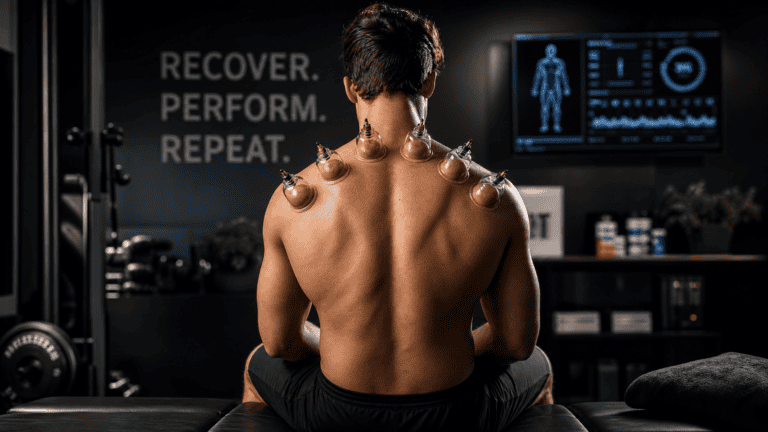
Cupping involves placing cups on the skin to create suction. This can be dry cupping (suction only) or wet cupping (with superficial incisions to draw blood). Al-Hijama specifically refers to wet cupping, often practiced in Traditional Islamic Medicine. Research suggests cupping may modulate pain pathways and reduce inflammation (Cao et al., 2020, Journal of Integrative Medicine).
Part 1: Pre-Session Preparation for Al-Hijama
Proper preparation reduces risks of infection, bruising, and adverse reactions.
Step 1: Consult a Qualified Practitioner
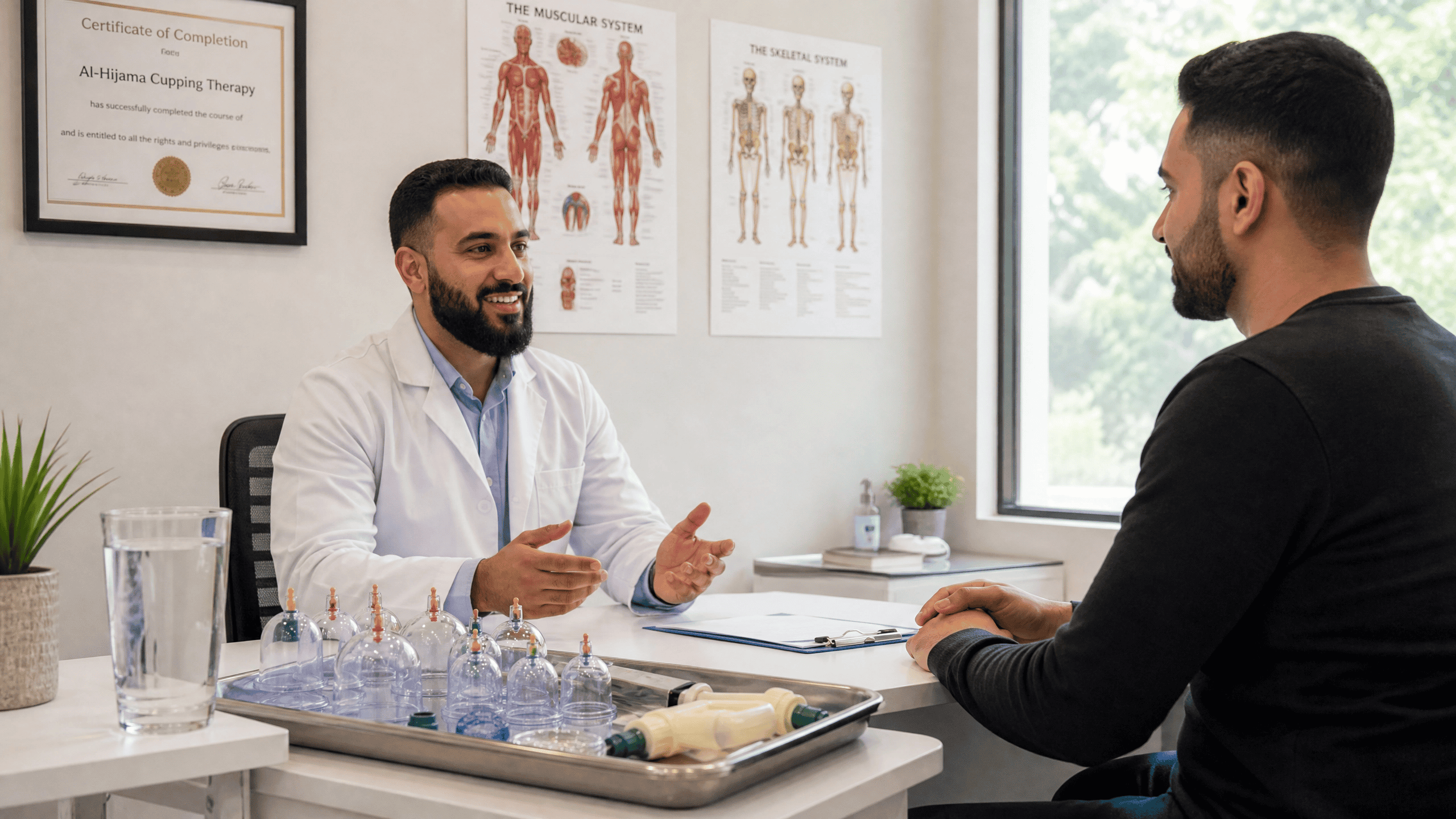
- Ensure your practitioner is licensed and trained in cupping therapy. Look for certifications from recognized bodies (e.g., National Certification Commission for Acupuncture and Oriental Medicine, or Islamic medical boards).
- Disclose your full medical history, including medications, allergies, and chronic conditions.
Step 2: Hydration and Nutrition
- Hydrate: Drink 6-8 glasses of water 24 hours before the session. Dehydration increases the risk of dizziness and hematomas (Kim et al., 2021, Evidence-Based Complementary and Alternative Medicine).
- Avoid heavy meals: Eat a light meal 2-3 hours prior to prevent nausea from vagal stimulation.
- Avoid caffeine and alcohol for 24 hours before cupping, as they can alter blood flow and clotting.
Step 3: Skin and Hygiene Preparation
- Take a warm shower before the session to cleanse the skin and open pores. Do not apply lotions, oils, or topical creams.
- Wear loose, comfortable clothing to allow easy access to treatment areas.
Step 4: Medications and Supplements
- Temporarily stop anticoagulant medications (e.g., warfarin, aspirin, clopidogrel) after consulting your prescribing physician. Never stop prescription meds without medical approval.
- Avoid fish oil, vitamin E, ginkgo biloba, and garlic supplements for 48 hours prior, as they increase bleeding risk (Mueller et al., 2018, BMC Complementary Medicine and Therapies).
Part 2: Essential Post-Care Recovery Rules
Post-cupping care is critical for healing and preventing complications.
Immediate Aftercare (First 24-48 Hours)
- Keep the cupping areas clean and dry. Avoid showering, swimming, or soaking in water for at least 6-8 hours after treatment.
- Apply sterile dressings on wet cupping sites. Change dressings every 6-8 hours until healing.
- Rest: Avoid strenuous exercise, heavy lifting, or prolonged standing for 24 hours.
Nutrition and Hydration After Cupping
- Hydrate aggressively: Drink 8-10 glasses of water in the first 24 hours to flush out toxins and prevent dehydration.
- Eat nutrient-dense foods: Consume iron-rich foods (e.g., spinach, lentils, lean red meat) to replenish blood loss from wet cupping. Include vitamin C (citrus, bell peppers) to aid collagen repair.
Managing Bruising and Discomfort
- Expect circular bruises (ecchymoses) that fade over 3-7 days. Apply a warm compress after 24 hours to speed resolution.
- Avoid applying ice directly to cupping sites—this can constrict blood vessels and impair healing.
Activity Restrictions
- Avoid saunas, steam rooms, or hot baths for 48 hours post-cupping to reduce infection risk.
- Do not massage or rub cupping areas for 72 hours, as this can worsen bruising or cause skin tearing.
Part 3: Critical Medical Contraindications for Al-Hijama
Recognizing who should avoid cupping is essential for safety. These contraindications align with WHO guidelines (World Health Organization, 2021) and clinical evidence.
Absolute Contraindications (Do NOT Perform Cupping)
- Pregnancy: Avoid cupping on the abdomen, lower back, and sacral area. Some sources advise avoiding entirely during first trimester (Al-Bedah et al., 2018, Journal of Traditional and Complementary Medicine).
- Active bleeding disorders: Hemophilia, von Willebrand disease, or severe thrombocytopenia (platelet count <50,000/µL).
- Severe anemia: Hemoglobin levels below 8 g/dL increase risk of dizziness and fainting (Mueller et al., 2018).
- Cardiac arrhythmias: Cupping over areas near the heart (e.g., chest, upper back) may trigger vagal reactions.
- Open wounds, skin infections, eczema, or psoriasis at treatment sites.
Relative Contraindications (Proceed with Extreme Caution)
- Diabetes: Especially with poor wound healing or neuropathy. Wet cupping increases infection risk (Kim et al., 2021).
- Hypertension: Ensure blood pressure is controlled before treatment. Cupping can cause transient BP changes.
- Cancer: Avoid cupping directly over tumor sites. Some oncologists advise against cupping due to unknown effects on metastasis.
- Immunosuppression: Patients on chemotherapy or organ transplant recipients are at higher risk of infections.
Medications That Contraindicate Cupping
- Anticoagulants (warfarin, heparin, novel oral anticoagulants)
- Anti-platelets (clopidogrel, ticagrelor)
- High-dose NSAIDs (ibuprofen, naproxen) used regularly
Potential Side Effects & Precautions
While cupping is generally safe, adverse effects can occur. A 2020 systematic review in BMJ Open reported common side effects:
Common Side Effects
- Bruising and soreness (up to 90% of patients) – typically resolves within a week.
- Dizziness or lightheadedness (vasovagal response) – more common in first-time patients.
- Mild skin irritation or itching.
Rare but Serious Side Effects
- Skin burns from improper cup placement or excessive heat (far less common with modern pumps).
- Infection at incision sites (risk <1% with sterile technique). Signs include redness, swelling, warmth, or pus.
- Anemia from frequent repeated wet cupping without iron supplementation.
- Scarring or keloid formation in predisposed individuals.
Precautions to Minimize Risks
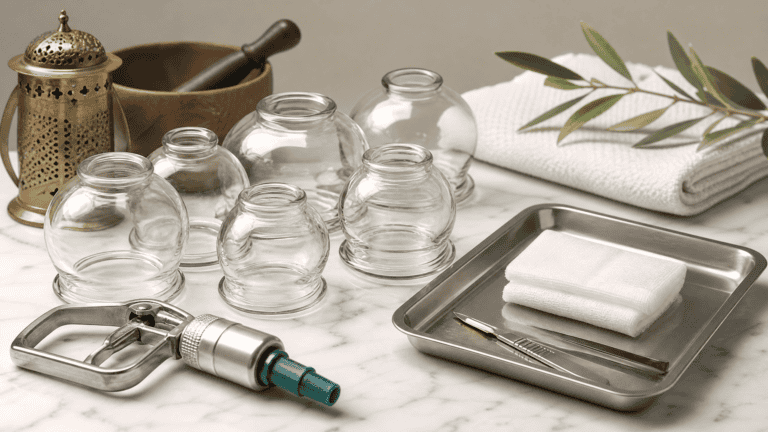
- Always request single-use, sterile cups and lancets.
- Inform your practitioner immediately if you feel faint, dizzy, or excessive pain during the session.
- Do not exceed 10-15 cups per session for wet cupping; blood loss should be <100 mL total.
Frequently Asked Questions (FAQ)
1. Can I shower immediately after cupping?
No. Wait at least 6-8 hours before showering. Direct water exposure increases infection risk, especially after wet cupping.
2. How long do cupping bruises last?
Cupping bruises typically fade within 3-7 days. Prolonged bruising beyond 10 days may indicate an underlying condition and should be evaluated.
3. Is cupping safe for pregnant women?
Cupping is generally avoided during pregnancy, especially on the abdomen, lower back, and sacral areas. Some practitioners perform it on upper back or shoulders under medical supervision.
4. Can I take pain relievers after cupping?
Avoid ibuprofen or aspirin for 24-48 hours post-cupping, as they thin the blood. Acetaminophen (Tylenol) is generally safe for discomfort.
5. How often should I receive Al-Hijama?
Frequency depends on your condition. Most practitioners recommend sessions every 3-4 weeks for acute issues, and every 1-2 months for maintenance. Do not exceed monthly wet cupping without medical oversight.
When to Seek Medical Attention
Contact a healthcare provider if you experience:
- Severe pain, swelling, or redness at cupping sites beyond 48 hours
- Fever or chills (signs of infection)
- Uncontrolled bleeding or excessive bruising
- Fainting, chest pain, or shortness of breath
Final Safety Summary Table
| Phase | Key Actions | What to Avoid |
|---|---|---|
| Pre-Session | Hydrate, light meal, disclose history | Caffeine, alcohol, blood thinners |
| During | Communicate discomfort, sterile tools | Deep breathing technique |
| Post-Care | Clean dressings, rest, hydrate | Water exposure, strenuous activity |
| Contraindications | Check blood counts, pregnancy status | Cupping over wounds, infections |
Author’s Note: Cupping therapy—when performed correctly—can be a powerful adjunct to conventional medicine. However, safety must always precede efficacy. Choose a qualified practitioner, follow post-care rules, and respect contraindications to ensure a safe, positive experience.