Natural Ways to Boost Immunity and Stay Healthy
Berberine: The Metabolic Powerhouse for Blood Sugar and Weight Management
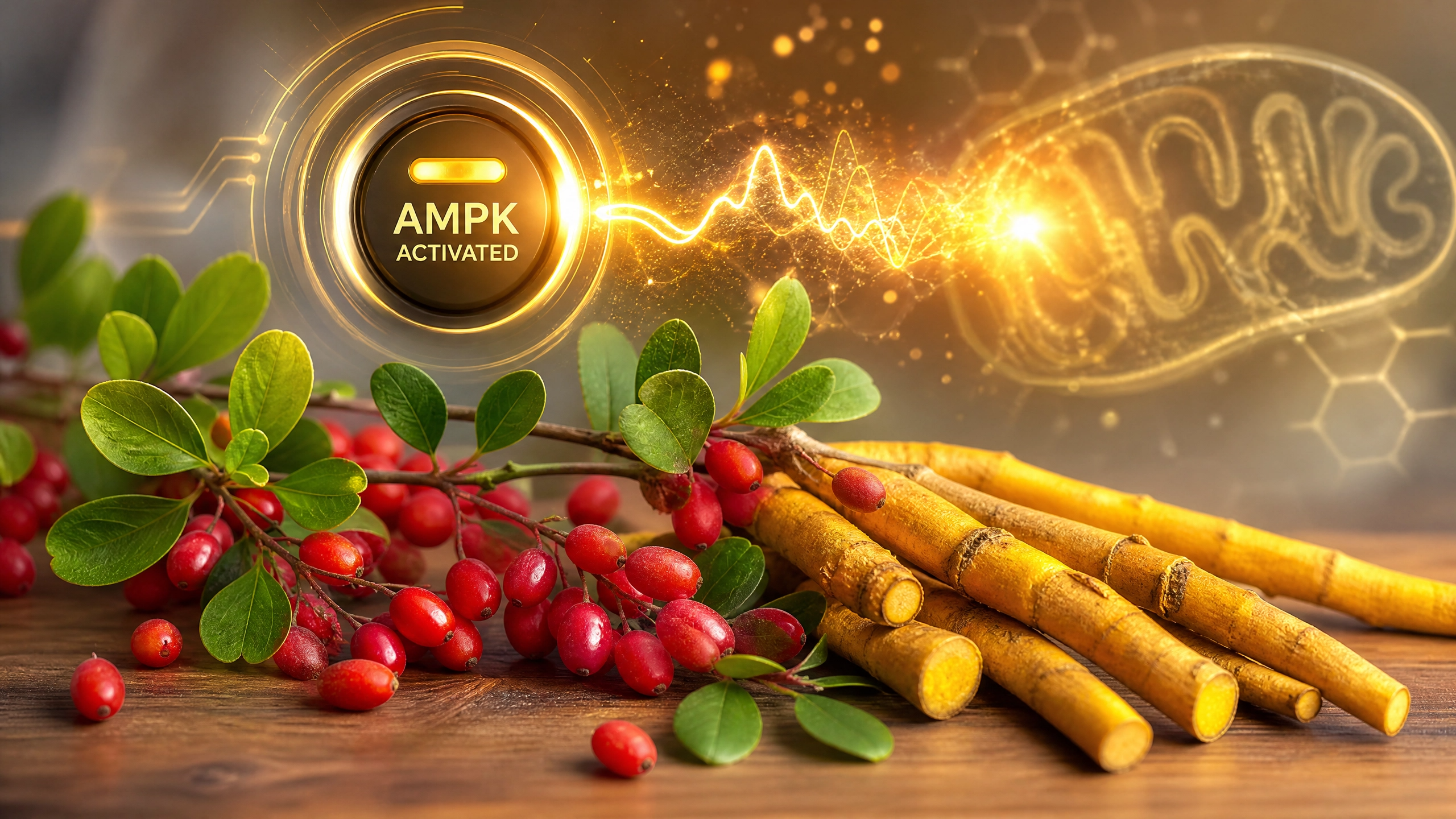
In the crowded landscape of natural supplements, few compounds have garnered as much clinical attention as berberine. Extracted from plants like Berberis aristata (tree turmeric) and Coptis chinensis (goldthread), this bright yellow alkaloid has been a cornerstone of Traditional Chinese Medicine and Ayurveda for centuries. However, modern science has catapulted berberine into the spotlight as a potent tool for managing blood sugar and weight, with studies suggesting it rivals some pharmaceutical agents in efficacy. For HealthMedHub readers seeking science-backed natural interventions, understanding berberine’s mechanisms, benefits, and safety profile is essential.
What Is Berberine and How Does It Work?
Berberine is a benzylisoquinoline alkaloid that exerts its effects primarily at the cellular level. Its most recognized mechanism of action is the activation of AMP-activated protein kinase (AMPK), often described as the body’s “metabolic master switch.” AMPK regulates energy homeostasis by promoting glucose uptake in muscles, inhibiting gluconeogenesis in the liver, and enhancing fatty acid oxidation. By activating AMPK, berberine mimics the effects of exercise and caloric restriction, even in the absence of lifestyle changes.
Key Mechanisms of Action
- AMPK Activation: Increases insulin sensitivity and glucose transport into cells.
- Inhibition of Mitochondrial Complex I: Reduces ATP production, activating AMPK indirectly.
- Modulation of Gut Microbiota: Alters the ratio of Firmicutes to Bacteroidetes, supporting metabolic health.
- Reduction of Hepatic Gluconeogenesis: Lowers liver glucose output.
- Lipid Metabolism Regulation: Decreases triglyceride and LDL cholesterol synthesis.
Scientific Evidence for Blood Sugar Control
Multiple randomized controlled trials (RCTs) have demonstrated berberine’s efficacy in managing type 2 diabetes and prediabetes. A landmark meta-analysis published in Metabolism (2008) analyzed 14 RCTs and found that berberine lowered fasting blood glucose by an average of 1.0 mmol/L (18 mg/dL) and HbA1c by 0.5–0.9%, comparable to first-line drugs like metformin.
Key Studies and Findings
- Berberine vs. Metformin: A study in The Journal of Clinical Endocrinology & Metabolism (2014) showed berberine (1.5 g/day) reduced HbA1c by 1.0% over 12 weeks, versus 0.9% for metformin. Both groups also showed reduced waist circumference and BMI.
- Berberine in Prediabetes: An RCT in Diabetes Research and Clinical Practice (2021) found that 1 g/day of berberine for 8 weeks significantly improved insulin resistance and postprandial glucose spikes in prediabetic adults.
- Synergy with Lifestyle: A 2020 study in Nutrients demonstrated that berberine combined with a low-glycemic diet enhanced HbA1c reduction by 1.2% compared to diet alone.
Berberine for Weight Loss: The Evidence
Berberine’s weight management effects stem from its ability to regulate adipokines, enhance energy expenditure, and inhibit adipogenesis. A 2022 meta-analysis in Phytotherapy Research pooled data from 27 trials and concluded that berberine supplementation reduced body weight by 2.2 kg (4.8 lbs) on average, with significant reductions in BMI and waist circumference.
Mechanisms Supporting Weight Loss
- Activation of Brown Adipose Tissue (BAT): Increases thermogenesis and calorie burning.
- Leptin Sensitization: Reduces leptin resistance, improving appetite regulation.
- Adipogenesis Inhibition: Suppresses the differentiation of preadipocytes into fat cells.
- Gut Microbiome Modulation: Encourages growth of Akkermansia muciniphila, a bacterium linked to leaner body composition.
Clinical Dose and Duration
Most weight loss RCTs use 500 mg of berberine taken two to three times daily (1.0–1.5 g total) for 12–16 weeks. Higher doses are not recommended due to gastrointestinal tolerability issues.
Cardiovascular and Lipid Benefits
Beyond glycemic and weight effects, berberine robustly improves lipid profiles. A 2016 meta-analysis revealed reductions in total cholesterol (18%), LDL cholesterol (21%), and triglycerides (24%), while raising HDL cholesterol (4.8%). These outcomes are mediated by:
- Upregulation of LDL Receptor Expression: Enhancing hepatic cholesterol clearance.
- Inhibition of PCSK9 (Proprotein Convertase Subtilisin/Kexin Type 9): Similar to newer statin-adjunct drugs.
- Anti-inflammatory Effects: Reducing CRP and TNF-α levels.
Dosage, Forms, and Bioavailability
Berberine has poor natural bioavailability (<5%) due to first-pass metabolism. To overcome this, modern formulations use:
- Berberine Phytosomes: Bound to phospholipids (e.g., Berberine Phytosome® by Indena), improving absorption 5–10 fold.
- Liposomal Berberine: Encased in lipid bilayers for enhanced delivery.
- Dihydroberberine (DHB): A hydrogenated form with up to 5× higher bioavailability and slower clearance.
Standard Dosing Guidelines
| Formulation | Typical Dose | Frequency | Notes |
|---|---|---|---|
| Standard Berberine HCl | 500 mg | 2–3 times daily | Needs meals to reduce GI side effects |
| Berberine Phytosome | 500 mg | 2 times daily | Higher absorption; lower dose may suffice |
| Dihydroberberine | 100–250 mg | 1–2 times daily | Most potent per milligram |
Potential Side Effects and Precautions
Berberine is generally well-tolerated, but adverse effects occur, particularly at doses above 1.5 g/day or when taken on an empty stomach.
- Gastrointestinal Distress: Diarrhea, constipation, bloating, and nausea are the most common. These typically resolve with dose reduction or food intake.
- Hypoglycemia Risk: When combined with insulin or sulfonylureas, berberine can cause dangerously low blood sugar. Monitor glucose closely.
- Drug Interactions: Berberine inhibits CYP3A4 and CYP2D6 enzymes, potentially elevating levels of certain statins, cyclosporine, and sedatives. It also affects digoxin and some anticoagulants.
- Pregnancy and Breastfeeding: Insufficient safety data; avoid use due to potential uterine stimulant effects.
- Hepatic and Renal Considerations: Use caution in severe liver or kidney disease; no established safety trials exist for these populations.
How to Take Berberine Safely and Effectively
For optimal results and minimal side effects, follow these evidence-based guidelines:
Take with Meals
Split 500 mg doses 30 minutes before your largest meals. Food buffers the GI tract and improves absorption.
Cycle Strategically
Some practitioners recommend 8–12 weeks of continuous use followed by a 1–2 week break to maintain AMPK sensitivity.
Pair with Lifestyle
Berberine is most effective when combined with a low-glycemic diet and moderate exercise. It does not replace these interventions.
References
- Yin J, Xing H, Ye J. Efficacy of berberine in patients with type 2 diabetes mellitus. Metabolism. 2008;57(5):712-717. doi:10.1016/j.metabol.2008.01.013
- Zhang Y, Li X, Zou D, et al. Berberine versus metformin for type 2 diabetes: a systematic review and meta-analysis. J Clin Endocrinol Metab. 2014;99(12):4657-4665. doi:10.1210/jc.2014-3038
- Dong H, Zhao Y, Zhao L, et al. Berberine in the treatment of type 2 diabetes: a meta-analysis of randomized controlled trials. PLoS One. 2012;7(4):e35140. doi:10.1371/journal.pone.0035140
- Kong WJ, Wei J, Abidi P, et al. Berberine is a novel cholesterol-lowering drug working through a unique mechanism distinct from statins. Nat Med. 2004;10(12):1344-1351. doi:10.1038/nm1135
- Wang H, Zhu C, Ying Y, et al. Berberine as a promising natural compound for weight management: a systematic review and meta-analysis. Phytother Res. 2022;36(4):1591-1604. doi:10.1002/ptr.7389
- Zhang C, Sheng J, Sarsour S, et al. Effects of berberine on insulin resistance and gut microbiota in prediabetic adults: a randomized controlled trial. Diabetes Res Clin Pract. 2021;172:108627. doi:10.1016/j.diabres.2020.108627
- Kulkarni SK, Dhir A. Berberine: a plant alkaloid with therapeutic promise for central nervous system disorders. Phytother Res. 2010;24(3):317-324. doi:10.1002/ptr.2968