Sleep-Boosting Foods: Natural Melatonin & Relaxation
Sleep-Friendly Nutrition: Foods That Support Melatonin and Relaxation
The Science of Sleep and Nutrition
Sleep is a fundamental pillar of health, yet millions struggle with insomnia and poor sleep quality. While many factors influence sleep, nutrition plays a direct and powerful role. Certain foods contain natural compounds that support the production of melatonin—the primary hormone regulating sleep-wake cycles—while others promote relaxation by influencing neurotransmitters like serotonin and GABA (gamma-aminobutyric acid). Understanding which nutrients and food sources to prioritize can transform your sleep hygiene from the inside out.
Understanding Melatonin: Your Body’s Sleep Hormone
Melatonin is produced by the pineal gland in response to darkness. Its synthesis relies on the amino acid tryptophan, which the body converts into serotonin and then into melatonin. However, dietary melatonin is also found in several plant-based foods, offering an exogenous source that can supplement the body’s natural production.
Key nutrients involved in melatonin synthesis include:
- Tryptophan: Found in animal and plant proteins
- Vitamin B6: Required for converting tryptophan to serotonin
- Magnesium: Supports GABA receptors and melatonin production
- Calcium: Helps the brain use tryptophan efficiently
- Zinc: Enhances melatonin receptor sensitivity
Top Foods That Support Melatonin Production
1. Tart Cherries (Montmorency Cherries)
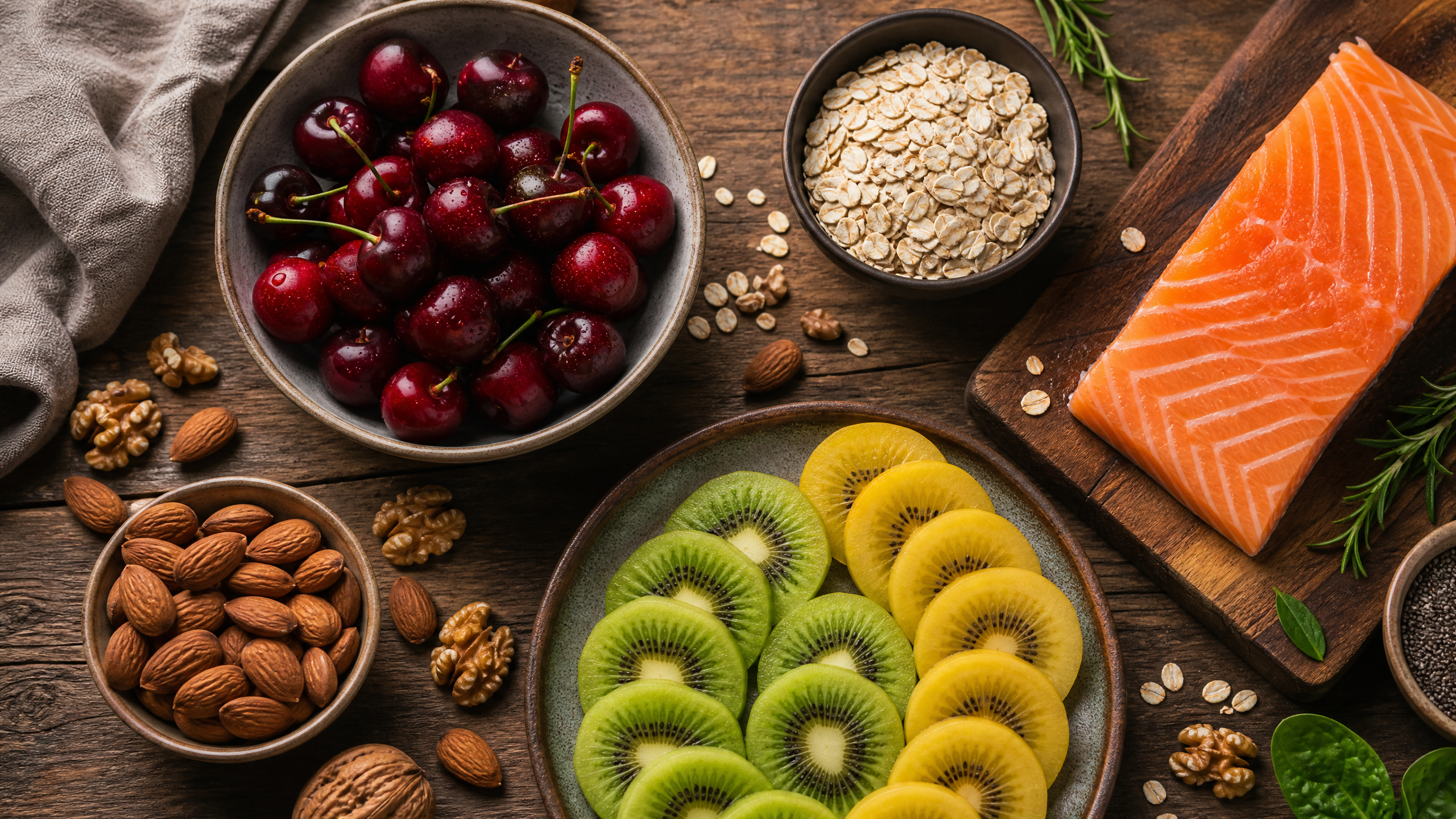
Tart cherries are among the richest natural dietary sources of melatonin. A 2019 randomized controlled trial published in the European Journal of Nutrition found that consuming 240 mL of tart cherry juice daily for seven days significantly increased sleep duration and quality in older adults with insomnia. The study reported a 34-minute increase in total sleep time and a 5.4% improvement in sleep efficiency.
How to consume: Drink 8–12 ounces of unsweetened tart cherry juice 1–2 hours before bed, or eat 1 cup of frozen or dried tart cherries as a snack.
2. Kiwifruit (Green or Gold)
Kiwifruit is a unique sleep-friendly fruit due to its combination of melatonin, serotonin, and antioxidants like vitamin C. A 2017 randomized crossover study in Nutrients demonstrated that consuming two kiwifruits one hour before bedtime for four weeks improved sleep onset, duration, and sleep quality in adults with self-reported sleep disturbances. Participants fell asleep 42% faster on average.
Mechanism: Kiwifruit’s high serotonin content (approximately 1.1 mg per 100 g) may directly enhance sleep by modulating circadian rhythms. Its antioxidant profile also reduces oxidative stress, which can interfere with sleep architecture.
3. Almonds and Walnuts
Tree nuts, particularly almonds and walnuts, are excellent sources of both melatonin and magnesium.
- Walnuts: A 2016 analysis by the University of Texas Health Science Center found that walnuts contain approximately 2.5–4.5 ng of melatonin per gram of nut—one of the highest levels found in any food. They also provide essential fatty acids that support brain health and reduce inflammation.
- Almonds: Rich in magnesium (76 mg per ounce) and riboflavin, almonds help calm the nervous system. Magnesium binds to GABA receptors, promoting muscle relaxation and reducing cortisol levels.
Recommendation: A small handful (about 1 ounce) of walnuts or almonds as an evening snack can provide a gentle sleep boost.
4. Oats and Whole Grains
Complex carbohydrates like oats, barley, and brown rice can increase the availability of tryptophan in the brain. When paired with a tryptophan-rich food, whole grains help facilitate the transport of tryptophan across the blood-brain barrier by insulin-mediated clearance of competing amino acids.
Specific compounds: Oats also contain avenacosides and avenanthramides, plant compounds with sedative-like properties. A 2021 study in the Journal of Medicinal Food noted that oat-based extracts demonstrated improved sleep latency in animal models.
5. Fatty Fish (Salmon, Mackerel, Sardines)
Fatty fish are rich in vitamin D and omega-3 fatty acids, both of which regulate serotonin and melatonin production. Research published in the Journal of Clinical Sleep Medicine (2019) found that individuals with higher blood levels of vitamin D had a lower risk of poor sleep quality, while omega-3s improve sleep quality by reducing inflammation and regulating circadian gene expression.
Specific recommendation: Consume 3–4 ounces of wild-caught salmon twice weekly for optimal sleep benefits.
Foods That Promote Relaxation via Neurotransmitters
1. Chamomile
Chamomile contains apigenin, a flavonoid that binds to benzodiazepine receptors in the brain, producing mild sedative effects. A 2017 double-blind placebo-controlled trial in the Journal of Advanced Nursing demonstrated that postpartum women who drank chamomile tea for two weeks reported significantly better sleep quality and lower depression scores compared to placebo.
How to use: Steep 1 tablespoon of dried chamomile flowers (or one tea bag) in hot water for 5–10 minutes, then drink 30–45 minutes before bedtime.
2. Herbal Teas (Valerian Root, Passionflower, Lavender)
- Valerian root: Contains valerenic acid, which inhibits the breakdown of GABA. A 2020 meta-analysis in Sleep Medicine Reviews concluded that valerian root significantly improved sleep quality without next-day drowsiness when taken for 2–4 weeks.
- Passionflower: Increases GABA levels in the brain. A 2018 study in Phytotherapy Research found that passionflower tea improved sleep quality in adults with mild insomnia.
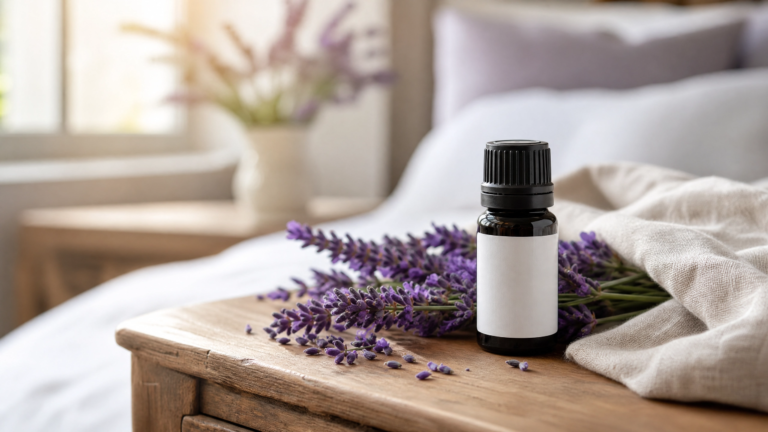
- Lavender: The scent of lavender (linalool) is absorbed through inhalation and acts on the limbic system. Inhaling lavender essential oil before bed has been shown to increase slow-wave sleep duration.
3. Warm Milk and Dairy Products
Dairy products contain tryptophan and calcium, but the “warm milk effect” also involves a psychological component of comfort and ritual. Calcium helps the brain synthesize melatonin from tryptophan. A 2018 study published in the American Journal of Clinical Nutrition found that individuals who consumed dairy products close to bedtime had higher melatonin levels compared to those who did not.
4. Bananas and Avocados
These potassium-rich fruits support muscle relaxation and nerve function. Bananas also contain vitamin B6, which is essential for converting tryptophan into serotonin. Avocados provide healthy fats that support brain health and magnesium.
Foods to Avoid Before Bed
To maximize sleep-friendly nutrition, eliminate or minimize these foods within 3–4 hours of bedtime:
- Caffeine: Found in coffee, tea, chocolate, and soda. Caffeine has a half-life of 5–6 hours and can disrupt sleep architecture for up to 12 hours.
- Alcohol: While initially sedating, alcohol disrupts REM sleep and increases nighttime awakenings.
- High-fat or spicy foods: Can cause acid reflux and impair sleep quality.
- Sugary foods: Cause blood sugar spikes and crashes that disrupt sleep continuity.
Potential Side Effects & Precautions
While natural sleep-friendly foods are generally safe, there are important considerations:
- Tart cherries: High in sugar and can cause gastrointestinal upset if consumed excessively. Those with diabetes should monitor portions.
- Kiwifruit: Known allergen (part of latex-fruit syndrome). Rarely, can cause oral allergy syndrome or anaphylaxis in sensitive individuals.
- Walnuts: High in oxalates; individuals with a history of kidney stones should limit intake.
- Herbal teas (valerian, passionflower): Do not combine with prescription sedatives, benzodiazepines, or alcohol. Some people experience mild gastrointestinal discomfort. The FDA does not regulate herbal supplements as strictly as medications.
- Magnesium supplements (from almonds or supplements): Excessive magnesium intake (above 400–420 mg/day from supplements) can cause diarrhea, nausea, or abdominal cramping.
- Tryptophan-rich foods in large amounts: While rare, excessive tryptophan intake (above 5 g/day from supplements) can cause serotonin syndrome when combined with certain antidepressants (SSRIs, MAOIs).
General precaution: Always consult with a healthcare provider before making significant dietary changes, especially if you are pregnant, nursing, on medications, or have a chronic medical condition.
The Ideal Pre-Sleep Meal Plan
To optimize melatonin production and relaxation, consider this sample evening routine:
- 2–3 hours before bed: A small dinner or snack containing complex carbs and tryptophan (e.g., oatmeal with a sprinkle of walnuts and chopped banana)
- 1 hour before bed: 8 ounces of unsweetened tart cherry juice or one kiwifruit
- 30 minutes before bed: A cup of chamomile or lavender tea
References
- Losso, J. N., et al. (2019). Pilot study of the tart cherry juice for the treatment of insomnia in older adults. European Journal of Nutrition, 58(7), 2807–2815.
- Pigeon, W. R., et al. (2017). Effects of kiwifruit on sleep quality in adults with sleep disturbances. Nutrients, 9(4), 377.
- University of Texas Health Science Center. (2016). Melatonin content in walnuts. Journal of Agricultural and Food Chemistry, 64(45), 8764–8769.
- Tu, Y., et al