Sweet Potatoes: Gut-Healing Resistant Starch & Beta-Carotene
Sweet Potatoes: The Ultimate Gut-Friendly Superfood for Resistant Starch & Beta-Carotene
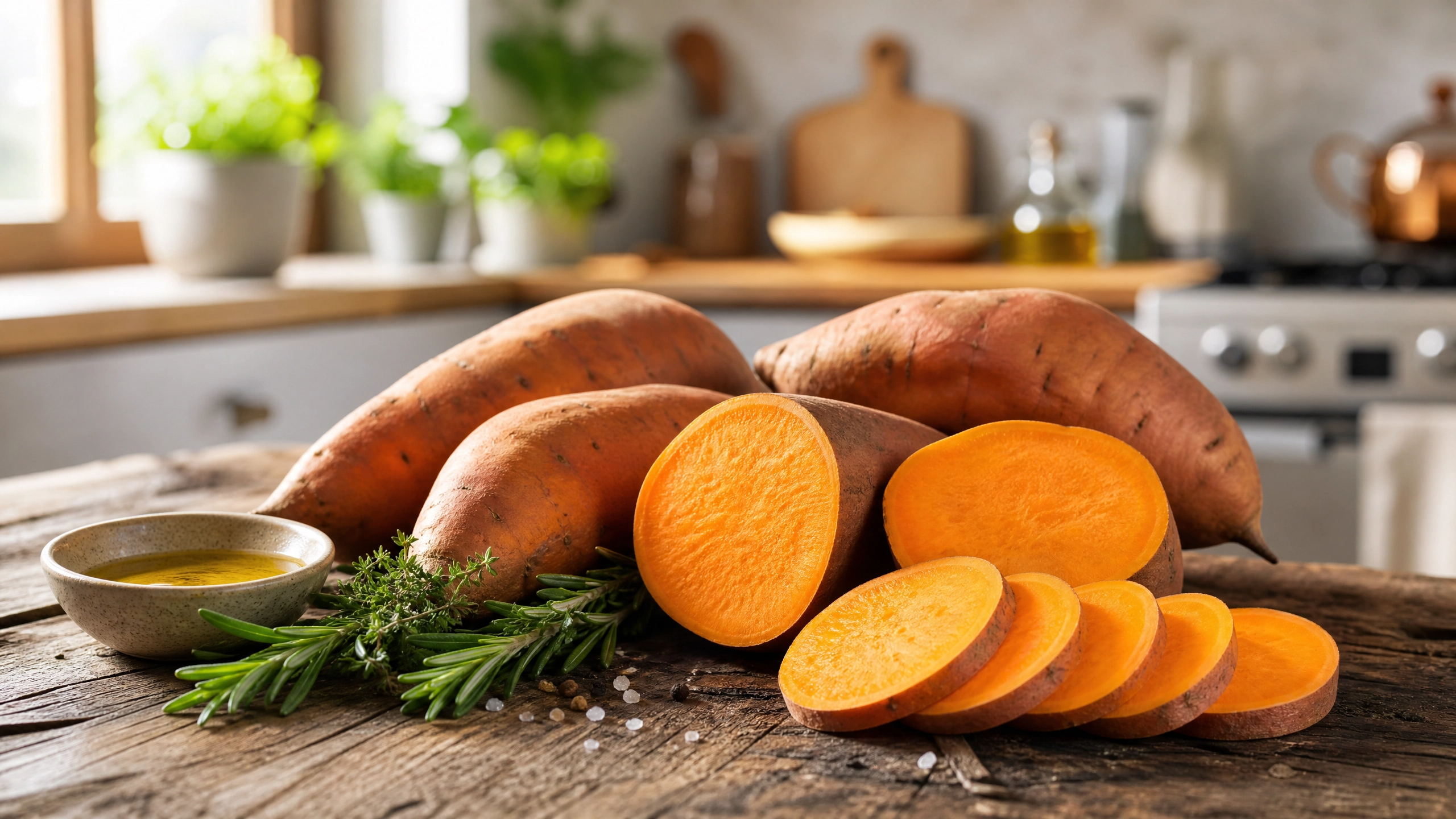
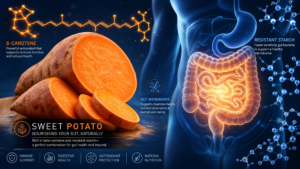
When it comes to nourishing your gut microbiome while flooding your body with antioxidant power, few foods rival the humble sweet potato (Ipomoea batatas). This root vegetable is not just a carbohydrate staple; it is a functional food uniquely positioned to deliver two critical compounds for digestive and systemic health: resistant starch and beta-carotene. By understanding how to prepare and consume sweet potatoes for these benefits, you can transform a simple side dish into a potent therapeutic tool.
The Science of Resistant Starch in Sweet Potatoes
Resistant starch (RS) is a type of dietary fiber that evades digestion in the small intestine and reaches the colon intact, where it serves as a prebiotic—food for your beneficial gut bacteria. According to a 2022 review in Nutrients, resistant starch promotes the production of short-chain fatty acids (SCFAs) like butyrate, which are essential for colonocyte health, reducing inflammation, and strengthening the gut barrier.
How Sweet Potatoes Deliver Resistant Starch
The resistant starch content in sweet potatoes is highly dependent on preparation method. Raw sweet potatoes contain approximately 12–15 grams of resistant starch per 100 grams, but cooking dramatically reduces this amount. However, a phenomenon known as retrogradation allows you to restore and even increase resistant starch levels.
| Preparation Method | Resistant Starch Content (per 100g) | Gut Benefit |
|---|---|---|
| Raw | 12–15 g | Highest direct prebiotic effect |
| Boiled, hot | 1–3 g | Minimal starch recovery |
| Boiled, cooled (24 hours) | 8–12 g | High SCFA production potential |
| Baked, cooled | 6–9 g | Moderate but stable prebiotic effect |
Key Insight: Cooling cooked sweet potatoes for at least 12–24 hours in a refrigerator triggers retrogradation, where gelatinized starch recrystallizes into a form resistant to digestive enzymes. This process increases resistant starch content by up to 300–400% compared to freshly cooked sweet potatoes (Source: Journal of Food Science and Technology, 2020).
Practical Application for Gut Health
- Overnight Sweet Potato Salad: Boil or bake sweet potatoes, cool completely, and refrigerate overnight. Use in cold salads with olive oil, herbs, and a probiotic source like kimchi.
- Resistant Starch Smoothies: Add chilled, cooked sweet potato to your morning smoothie. Pair with unsweetened almond milk and cinnamon for flavor and additional anti-inflammatory benefits.
- Avoid Reheating to High Temps: Reheating to temperatures above 130°F (54°C) will re-gelatinize the starch and lower resistant starch content. If you must reheat, do so gently.
Beta-Carotene: Nature’s Antioxidant Powerhouse
Beta-carotene is a carotenoid pigment responsible for the vibrant orange flesh of sweet potatoes. It is a provitamin A compound, meaning the body converts it into active vitamin A (retinol) as needed. One medium sweet potato (about 150 grams) provides over 400% of the Daily Value (DV) for vitamin A—more than any other common vegetable.
The Gut-Immune Connection
The gut is the largest immune organ in the body, and vitamin A is indispensable for maintaining the integrity of the intestinal mucosal barrier. A 2021 study in Frontiers in Immunology demonstrated that beta-carotene and its metabolites enhance the expression of tight junction proteins (e.g., occludin and claudin), which prevent “leaky gut” and systemic inflammation.
- Immune Modulation: Beta-carotene supports the differentiation of regulatory T-cells (Tregs) in the gut-associated lymphoid tissue (GALT), reducing autoimmune reactivity.
- Antioxidant Protection: As a lipophilic antioxidant, beta-carotene neutralizes reactive oxygen species (ROS) in the colon, protecting gut epithelial cells from oxidative damage linked to colorectal cancer (Source: World Journal of Gastroenterology, 2019).
Maximizing Beta-Carotene Absorption
Beta-carotene is fat-soluble, meaning its absorption is significantly enhanced when consumed with dietary fat. Additionally, cooking increases bioavailability by breaking down plant cell walls.
- Pair with Healthy Fats: Mash sweet potatoes with coconut oil or avocado. Drizzle with extra virgin olive oil in salads.
- Cook Lightly: Steaming or roasting at moderate temperatures (350°F/175°C) preserves beta-carotene better than boiling, which can leach nutrients into water.
- Avoid Overcooking: Prolonged high-heat exposure can degrade beta-carotene. Aim for a tender, not mushy, texture.
Potential Side Effects & Precautions
While sweet potatoes are generally safe and highly nutritious, certain individuals should exercise caution:
- Oxalate Concerns: Sweet potatoes contain moderate levels of oxalates, which can contribute to kidney stone formation in susceptible individuals. If you have a history of calcium oxalate stones, limit intake to one serving per day and pair with calcium-rich foods (e.g., dairy alternatives or leafy greens) to bind oxalates in the gut.
- Vitamin A Toxicity: Although virtually impossible from food sources alone, those with liver disease or taking high-dose vitamin A supplements should monitor their intake. Beta-carotene from sweet potatoes is converted to vitamin A only as needed, but excessive consumption could theoretically lead to hypervitaminosis A in rare cases.
- Carbohydrate Load: While the fiber content reduces glycemic impact, sweet potatoes are still a carbohydrate source. Individuals with diabetes or insulin resistance should monitor portion sizes (e.g., ½ cup cooked) and pair with protein or fat to stabilize blood sugar.
- Gas and Bloating: The high fiber and resistant starch content may cause temporary digestive discomfort, especially if you are not accustomed to a high-fiber diet. Gradually increase intake over several days to allow your microbiome to adapt.
References
- Birt, D. F., et al. (2013). Resistant starch: promise for improving human health. Advances in Nutrition, 4(6), 587–601. https://doi.org/10.3945/an.113.004325
- Chen, L., et al. (2021). Beta-carotene and immune function: a review of the evidence. Frontiers in Immunology, 12, 678472. https://doi.org/10.3389/fimmu.2021.678472
- Fuentes-Zaragoza, E., et al. (2010). Resistant starch as prebiotic: a review. Starch, 62(8), 389–404.
- Li, M., et al. (2020). Retrogradation of starch in sweet potatoes and its effect on resistant starch formation. Journal of Food Science and Technology, 57(11), 4123–4131.
- Palozza, P., et al. (2019). Role of beta-carotene in colonic health and cancer prevention. World Journal of Gastroenterology, 25(39), 5907–5920.
- World Health Organization. (2023). Vitamin A deficiency. Geneva: WHO. https://www.who.int/data/nutrition/nlis/info/vitamin-a-deficiency
Medical Disclaimer: The content provided on HealthMedHub is for informational purposes only and is not intended as a substitute for professional medical advice, diagnosis, or treatment.