Milk Thistle’s Natural Power: Liver Wellness Backed by Science
Milk Thistle for Liver Wellness: Traditional Use and Modern Evidence
At HealthMedHub, we delve into the science behind natural remedies, combining ancient wisdom with contemporary research. Few botanicals have garnered as much attention for liver health as Silybum marianum, commonly known as milk thistle. This article explores the plant’s traditional roots, its active constituents, and the modern clinical evidence supporting its role in liver wellness.
Understanding Milk Thistle: A Botanical Overview
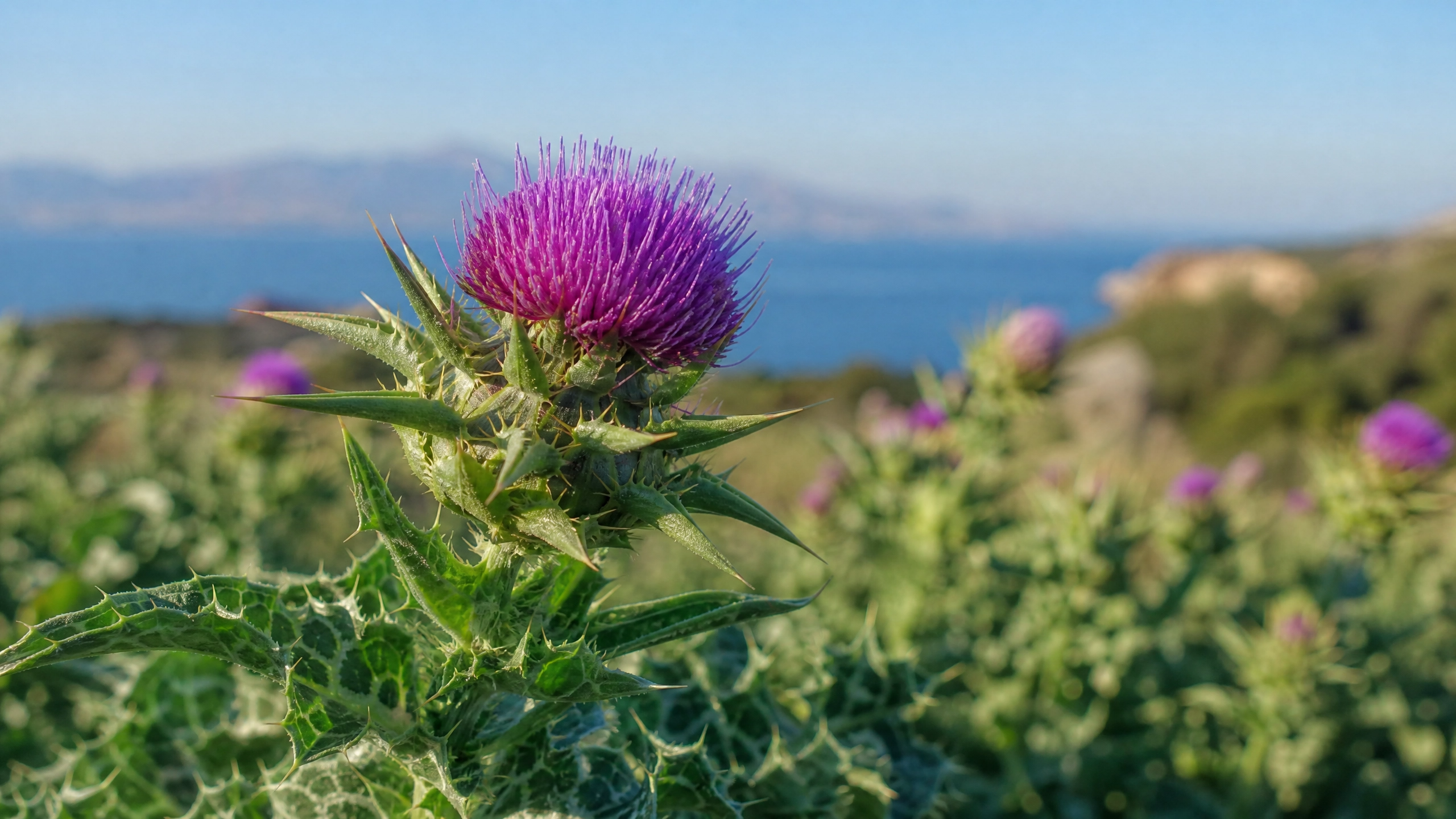
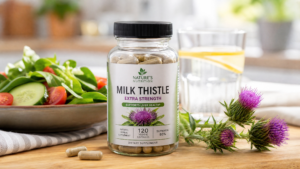
Milk thistle is a flowering plant from the Asteraceae family, native to the Mediterranean region. It is characterized by its spiny leaves and purple flower heads. Historically, both the seeds and leaves have been used for medicinal purposes. The plant’s name derives from the milky white sap that exudes from its leaves when crushed.
Historical and Traditional Use
- Ancient Greece and Rome: The Greek physician Dioscorides (40–90 CE) documented milk thistle’s use for treating liver and gallbladder ailments, including snake bites and jaundice.
- European Folk Medicine: For centuries, milk thistle was a staple for managing conditions such as hepatitis, cirrhosis, and gallbladder disorders. It was also used to stimulate appetite and relieve menstrual discomfort.
- Ayurvedic and Chinese Medicine: While not native, milk thistle was integrated into herbal practices for its hepatoprotective properties, often prescribed for liver stagnation and toxicity.
The Science of Silymarin: Active Compounds
The liver-protective effects of milk thistle are primarily attributed to a complex of flavonolignans collectively known as silymarin. This active ingredient constitutes about 65–80% of the seed extract. The major components include:
- Silibinin (also called silybin): The most abundant and biologically active constituent.
- Silydianin
- Silychristin
Silymarin is a potent antioxidant and anti-inflammatory agent, which underpins its therapeutic action on hepatocytes (liver cells).
Modern Evidence: How Milk Thistle Supports Liver Wellness
Research over the past five decades has provided substantial evidence for milk thistle’s role in liver health. Here are the key mechanisms and clinical applications:
1. Antioxidant and Free Radical Scavenging
Oxidative stress is a primary driver of liver damage, caused by toxins, alcohol, and metabolic disorders. Silymarin has been shown to:
- Neutralize free radicals and inhibit lipid peroxidation in liver cells.
- Increase intracellular glutathione levels by up to 35%, enhancing the liver’s innate detoxification capacity.
- Protect mitochondrial function, reducing energy failure in damaged hepatocytes.
Source: Saller R, et al. “The use of silymarin in the treatment of liver diseases.” Drugs (2001).
2. Anti-Inflammatory Effects
Chronic inflammation is central to the progression of non-alcoholic fatty liver disease (NAFLD), hepatitis, and fibrosis. Silymarin achieves this by:
- Inhibiting pro-inflammatory cytokines such as tumor necrosis factor-alpha (TNF-α) and interleukin-6 (IL-6).
- Suppressing the activity of nuclear factor-kappa B (NF-κB), a key regulator of inflammatory gene expression.
3. Hepatocyte Regeneration and Antifibrotic Action
Beyond protection, silymarin promotes liver repair:
- It stimulates ribosomal RNA synthesis in hepatocytes, accelerating protein synthesis and cellular regeneration.
- It inhibits the activation of hepatic stellate cells, reducing collagen deposition and slowing the progression of liver fibrosis and cirrhosis.
Source: Polyak SJ, et al. “Silymarin and its components inhibit hepatitis C virus entry and infection.” Gastroenterology (2010).
4. Clinical Applications in Specific Liver Conditions
| Condition | Evidence Summary |
|---|---|
| Non-Alcoholic Fatty Liver Disease (NAFLD) | Meta-analyses show that silymarin significantly reduces liver enzyme levels (ALT, AST) and improves liver histology in patients with NAFLD. |
| Alcoholic Liver Disease | Studies report a reduction in markers of oxidative stress and inflammation, with some trials showing improved survival in patients with alcoholic cirrhosis. |
| Hepatitis B and C | Silymarin has demonstrated antiviral properties against Hepatitis C virus (HCV) in vitro, though clinical outcomes for viral clearance remain modest. It is often used adjunctively to reduce side effects of interferon therapy. |
| Toxin-Induced Liver Injury | Silymarin is the only approved antidote for poisoning from the death cap mushroom (Amanita phalloides), as it blocks the uptake of amatoxin by hepatocytes. |
Standardized Dosage and Bioavailability
For therapeutic effects, standardized milk thistle extracts containing 70–80% silymarin are recommended. The typical clinical dose is:
- 140 mg to 200 mg of silymarin, taken three times daily (total of 420–600 mg per day).
Important: Silymarin has poor natural bioavailability. Modern formulations often include phosphatidylcholine (e.g., siliphos) to enhance absorption up to 10-fold. Look for products offering silymarin-phospholipid complexes for optimal efficacy.
Potential Side Effects & Precautions
While milk thistle is generally well-tolerated, it is essential to be aware of potential adverse effects and contraindications.
Common Side Effects
- Gastrointestinal disturbances: Nausea, bloating, diarrhea, or gas. These are usually mild and resolve with continued use.
- Allergic reactions: Risk is higher in individuals allergic to plants in the Asteraceae family (e.g., ragweed, daisies, marigolds).
Precautions
- Hormone-Sensitive Conditions: Silymarin may exhibit estrogenic-like effects. Use with caution in patients with breast, uterine, or ovarian cancers, or endometriosis.
- Diabetes: Milk thistle can lower blood glucose levels. Diabetic patients on medication should monitor blood sugar closely to avoid hypoglycemia.
- Gallbladder Disease: Due to its mild bile-promoting effects, individuals with gallstones or bile duct obstruction should consult a healthcare provider before use.
- Pregnancy and Breastfeeding: Safety data is limited. Avoid use during pregnancy and lactation unless advised by a physician.
Drug Interactions
- Cytochrome P450 Substrates: Silymarin can inhibit certain liver enzymes (CYP3A4, CYP2C9), potentially increasing the levels of medications metabolized by these pathways, including:
- Statins (e.g., atorvastatin)
- Anticoagulants (e.g., warfarin)
- Antivirals (e.g., indinavir, simeprevir)
- Antipsychotics and Benzodiazepines: May enhance sedation.
Always inform your healthcare provider about all supplements you are taking.
Conclusion: Integrating Milk Thistle into a Liver Wellness Plan
Milk thistle stands as one of the most thoroughly researched herbal remedies for liver health. Its traditional use, spanning over 2,000 years, is now substantiated by robust scientific evidence supporting its antioxidant, anti-inflammatory, and regenerative properties. For individuals with NAFLD, alcoholic liver disease, or exposure to environmental toxins, a standardized silymarin supplement may offer significant benefit.
However, milk thistle is not a cure-all. It should be part of a comprehensive lifestyle approach that includes a nutrient-dense diet, limited alcohol consumption, regular exercise, and medical monitoring. As with any supplement, quality matters. Choose products from reputable manufacturers who provide third-party testing for purity and potency.
Key Takeaway: Milk thistle is a scientifically validated hepatoprotective agent with a long history of safe use. When dosed appropriately and with proper oversight, it can be a valuable tool for supporting liver wellness.
Medical Disclaimer: The content provided on HealthMedHub is for informational purposes only and is not intended as a substitute for professional medical advice, diagnosis, or treatment. Always seek the advice of your physician or other qualified health provider with any questions you may have regarding a medical condition or before starting any new supplement program.
References
- Saller, R., et al. (2001). The use of silymarin in the treatment of liver diseases. Drugs, 61(14), 2035–2063.
- Abenavoli, L., et al. (2018). Milk thistle in liver diseases: Past, present, future. Phytotherapy Research, 32(8), 1421–1430.
- Polyak, S. J., et al. (2010). Silymarin and its components inhibit hepatitis C virus entry and infection. Gastroenterology, 138(7), 2372–2382.
- Federico, A., et al. (2017). Silymarin for the treatment of non-alcoholic fatty liver disease: A systematic review and meta-analysis of randomized placebo-controlled trials. Alimentary Pharmacology & Therapeutics, 45(5), 595–607.
- Vargas-Mendoza, N., et al. (2014). Hepatoprotective effect of silymarin. World Journal of Hepatology, 6(3), 144–149.
- National Center for Complementary and Integrative Health (NCCIH). (2020). Milk Thistle. *U