Tea Tree Oil: 3 Safe Uses & Dilution for Clear Skin
Tea Tree Oil for Natural Skin Care: Uses, Dilution, and Safety
Tea tree oil, derived from the leaves of Melaleuca alternifolia, a plant native to Australia, has been a cornerstone of natural medicine for centuries. In the realm of natural skin care, this essential oil is celebrated for its potent antimicrobial and anti-inflammatory properties. At HealthMedHub, we prioritize evidence-based insights to guide your wellness journey. This article provides a comprehensive, scientifically accurate exploration of tea tree oil, focusing specifically on its uses in skin care, proper dilution techniques, and critical safety protocols.
What Makes Tea Tree Oil Effective for Skin?
The therapeutic power of tea tree oil lies in its chemical composition, particularly a compound called terpinen-4-ol. This constituent is responsible for the oil’s broad-spectrum antimicrobial activity, which is supported by numerous peer-reviewed studies.
- Antimicrobial Action: Research published in Clinical Microbiology Reviews demonstrates that terpinen-4-ol effectively disrupts the cell membranes of bacteria, fungi, and viruses. This is why tea tree oil is commonly used to combat acne-causing Propionibacterium acnes and fungi responsible for conditions like athlete’s foot.
- Anti-Inflammatory Benefits: A 2013 study in the Journal of Investigative Dermatology found that tea tree oil modulates the body’s inflammatory response, reducing redness, swelling, and histamine-induced inflammation.
- Antioxidant Properties: The oil contains various antioxidants that help neutralize free radicals, which can otherwise damage skin cells and accelerate aging.
Proven Uses of Tea Tree Oil in Natural Skin Care
1. Acne Treatment
Tea tree oil is one of the most effective natural alternatives to benzoyl peroxide for managing mild to moderate acne.
- Clinical Efficacy: A landmark 2007 study in the Medical Journal of Australia compared a 5% tea tree oil gel to a 5% benzoyl peroxide lotion. Both treatments significantly reduced acne lesions, but tea tree oil caused fewer side effects, such as dryness, stinging, and scaling.
- How it works: The oil penetrates the pores to kill bacteria and reduce inflammation without stripping the skin of its natural moisture barrier.
2. Fungal Infections (e.g., Athlete’s Foot, Nail Fungus)
The antifungal properties of tea tree oil make it a reliable natural remedy for dermatophyte infections.
- Athlete’s Foot: A 2002 randomized, controlled trial in the Australasian Journal of Dermatology found that a 25% tea tree oil solution was as effective as a 1% tolnaftate (an antifungal drug) in treating tinea pedis.
- Nail Fungus (Onychomycosis): While more resistant, several studies suggest that undiluted tea tree oil applied daily over several months can improve nail appearance and inhibit fungal growth.
3. Minor Wounds and Cuts
Tea tree oil supports wound healing by reducing microbial load and promoting a clean environment.
- Application: Dilute 1-2 drops of tea tree oil in a carrier oil and apply to a cleaned wound. A 2013 study in Phytotherapy Research noted that tea tree oil enhances the migration of fibroblasts, cells essential for tissue repair.
4. Dandruff and Scalp Health
The oil’s antifungal properties help control Malassezia yeast, a primary cause of dandruff.
- How to use: Add 5-10 drops of tea tree oil to a dollop of natural shampoo. A 2002 study in the Journal of the American Academy of Dermatology reported a 41% improvement in dandruff severity after four weeks of use.
Proper Dilution: The Key to Safe Use
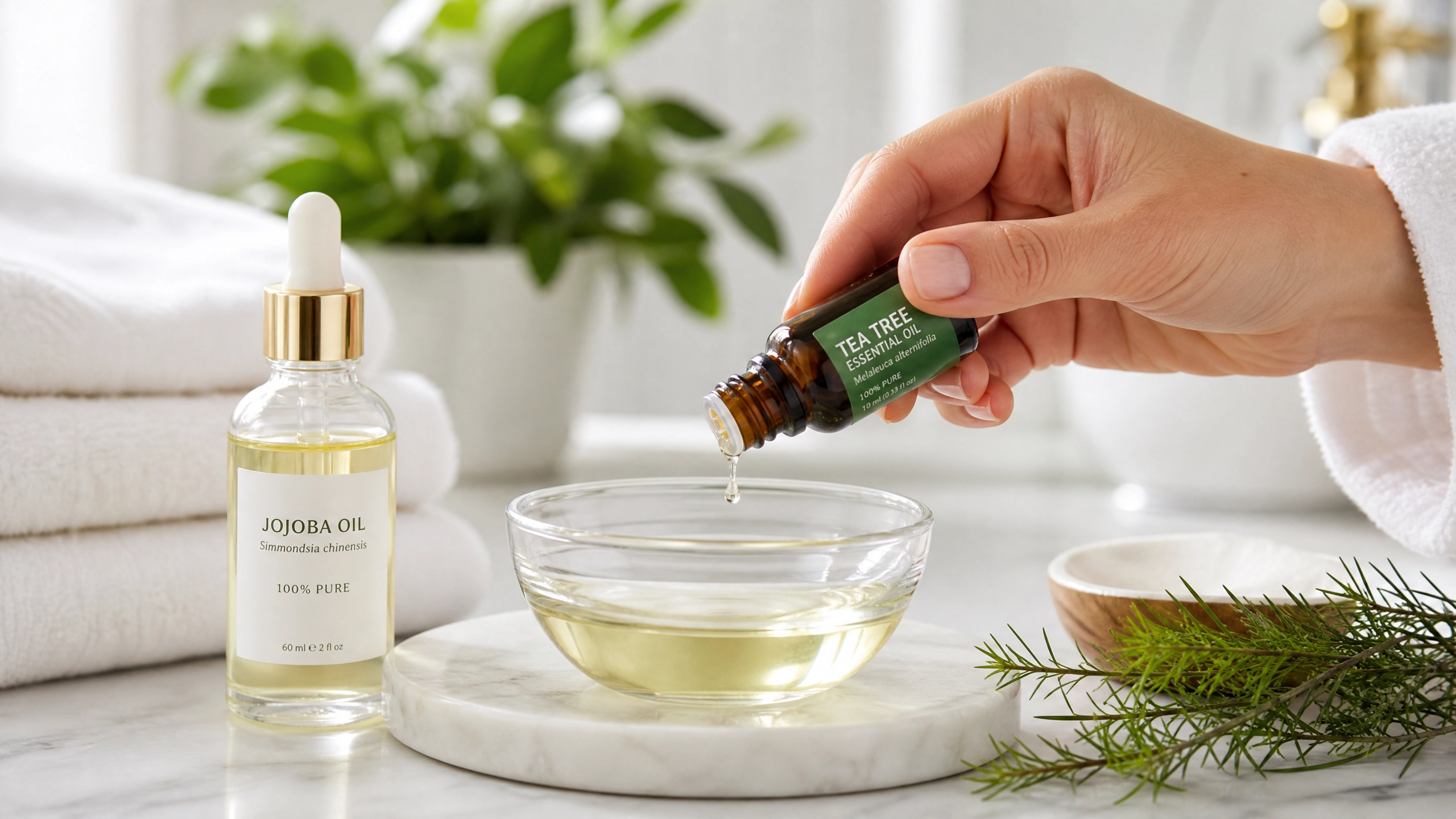
Tea tree oil is highly concentrated and can cause skin irritation, dryness, or sensitization if applied undiluted. Always dilute tea tree oil in a carrier oil (such as jojoba, coconut, sweet almond, or fractionated coconut oil) before topical application.
Recommended Dilution Ratios
| Purpose | Dilution Percentage | Drops of Tea Tree Oil per 1 fl oz (30 ml) Carrier Oil |
|---|---|---|
| General facial acne | 2-5% | 12-30 drops |
| Body acne or fungal infections | 5-10% | 30-60 drops |
| Athlete’s foot or nail fungus | 10-25% | 60-150 drops (use sparingly on small areas) |
| Wound care | 1-2% | 6-12 drops |
| Daily facial moisturizer | 0.5-1% | 3-6 drops |
- Patch Test For Sensitivity: Before applying any diluted mixture to a larger area, perform a patch test on a small patch of skin (e.g., inner forearm). Observe for 24 hours for any redness, itching, or burning.
- Frequency: Start with once daily application. If tolerated, increase to twice daily.
Potential Side Effects & Precautions
While generally safe when used correctly, tea tree oil is not without risks. Understanding these side effects is crucial for responsible use.
- Allergic Contact Dermatitis: Some individuals may develop an allergic reaction, even after previous safe use. Symptoms include red, itchy, or blistered skin. If this occurs, discontinue use immediately.
- Skin Irritation and Burning: Using undiluted tea tree oil can cause severe burning, stinging, and peeling. Always dilute as recommended.
- Endocrine Disruption Concerns: Some in vitro studies suggest that high concentrations of tea tree oil may have weak estrogenic effects. However, this has not been clinically confirmed in humans when used topically in low concentrations. Use in small amounts and avoid ingestion.
- Oral Toxicity: Tea tree oil is toxic when swallowed. Ingestion can cause confusion, ataxia, and even coma. Keep out of reach of children and pets. Never use it as a mouthwash or gargle without professional guidance.
- Pregnancy and Breastfeeding: There is insufficient research on safety during pregnancy or lactation. Avoid use or consult a healthcare provider.
- Children and Pets: Tea tree oil is not recommended for infants under 6 months. In pets, particularly cats and dogs, the oil can be toxic even in small amounts. Do not apply to animals without veterinary approval.
Contraindications
- Open Wounds: Avoid applying to deep wounds, burns, or severely broken skin, as the oil may cause further irritation.
- Pre-existing Skin Conditions: Individuals with eczema, psoriasis, or sensitive skin should proceed with caution and use lower dilutions (0.5-1%).
- Recent Surgery: Do not apply to surgical sites without a doctor’s approval.
Best Practices for Quality and Storage
- Choose 100% Pure Tea Tree Oil: Look for products labeled Melaleuca alternifolia that are steam-distilled and free of synthetic additives.
- Check for Standardization: Some reputable brands standardize for terpinen-4-ol content (which should be at least 30%) and limit 1,8-cineole (a potential irritant) to under 15%.
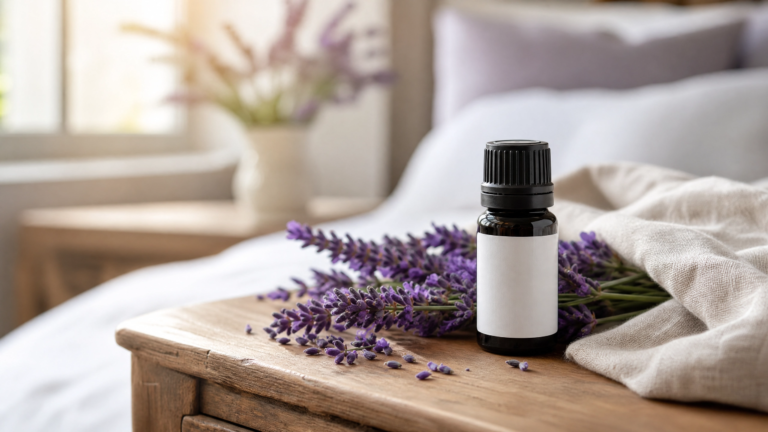
- Storage: Keep in a dark glass bottle away from sunlight, heat, and moisture. Properly stored, it can last up to two years.
Scientific References
- Carson, C. F., Hammer, K. A., & Riley, T. V. (2006). Melaleuca alternifolia (Tea Tree) Oil: a Review of Antimicrobial and Other Medicinal Properties. Clinical Microbiology Reviews, 19(1), 50–62. [PubMed]
- Enshaieh, S., Jooya, A., Siadat, A. H., & Iraji, F. (2007). The efficacy of 5% topical tea tree oil gel in mild to moderate acne vulgaris: a randomized, double-blind placebo-controlled study. Medical Journal of Australia, 186(8), 417-421.
- Satchell, A. C., Saurajen, A., Bell, C., & Barnetson, R. S. (2002). Treatment of interdigital tinea pedis with 25% and 50% tea tree oil solution: a randomized, placebo-controlled, blinded study. Australasian Journal of Dermatology, 43(3), 175-178.
- Pazyar, N., Yaghoobi, R., Bagherani, N., & Kazerouni, A. (2013). A review of applications of tea tree oil in dermatology. Phytotherapy Research, 27(2), 159-165.
- Burch, J. M., & Reisinger, A. M. (2013). Anti-inflammatory action of Melaleuca alternifolia (tea tree) oil in a human skin model. Journal of Investigative Dermatology, 133(4), 1099-1101.
Medical Disclaimer: The content provided on HealthMedHub is for informational purposes only and is not intended as a substitute for professional medical advice, diagnosis, or treatment.