Soothe & Protect: Marshmallow Root for Throat & Gut Lining
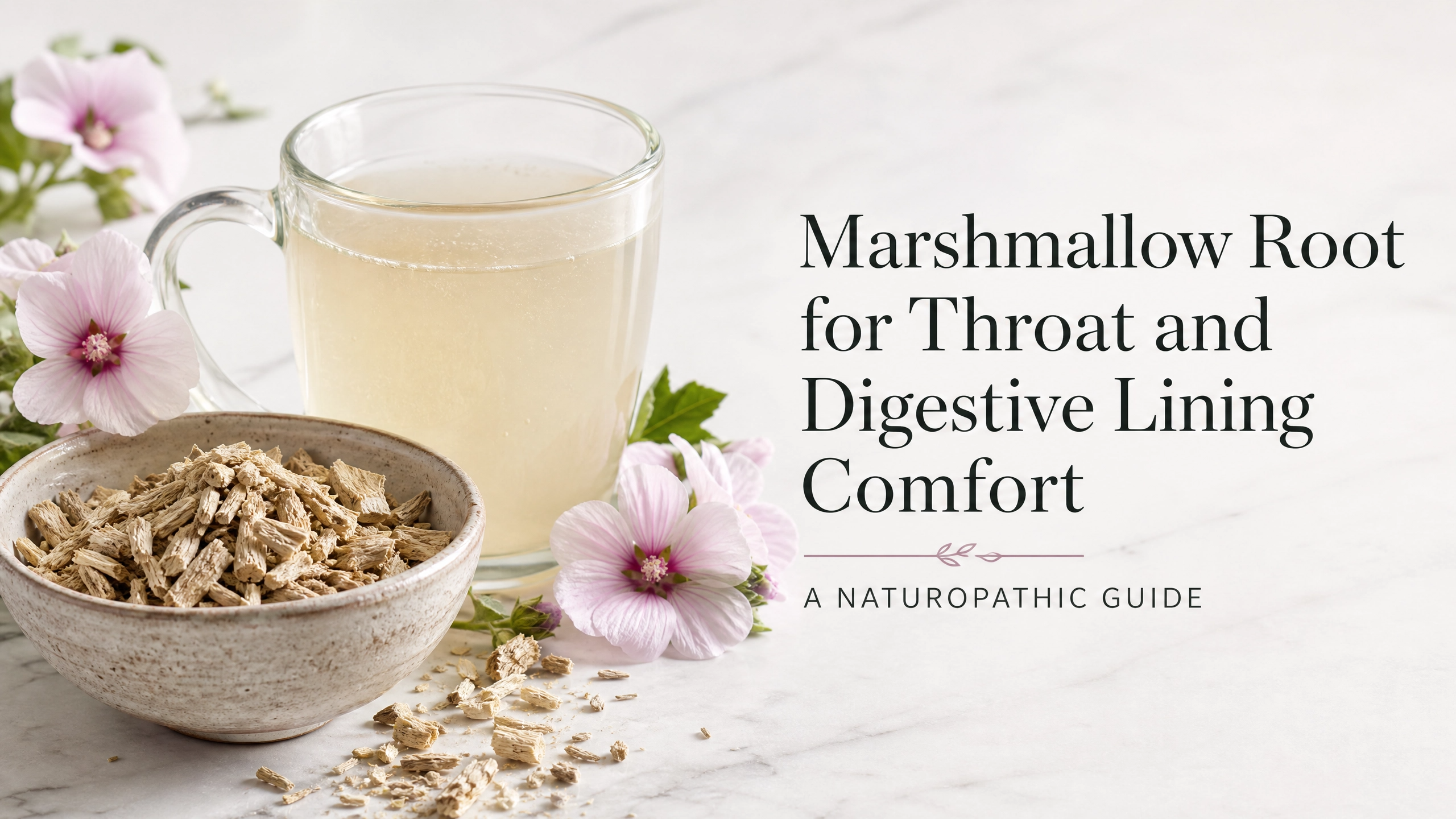
Marshmallow Root for Throat and Digestive Lining Comfort: A Naturopathic Guide
In the vast apothecary of nature, few herbs offer the gentle yet profound soothing power of Marshmallow Root (Althaea officinalis). Historically cherished since ancient Greek and Egyptian times, this botanical is uniquely suited to address two common yet deeply disruptive health concerns: throat irritation and digestive lining discomfort. At HealthMedHub, we focus on evidence-based natural wellness, and Marshmallow Root stands out as a premier demulcent—a substance that forms a protective film over mucous membranes.
This comprehensive guide explores the specific mechanisms, clinical applications, and safety considerations of Marshmallow Root for throat and digestive lining comfort, ensuring you have the information needed for informed, natural care.
Understanding Marshmallow Root: The Demulcent Powerhouse
Marshmallow Root derives its therapeutic efficacy from its high concentration of mucilage, a gelatinous, water-soluble fiber composed of polysaccharides like rhamnose, galactose, and glucuronic acid. When the root is steeped in water (as in a tea or tincture), these mucilaginous compounds swell to form a viscous, slippery gel.
Key Active Constituents:
- Polysaccharides (Mucilage): The primary soothing agents.
- Flavonoids: Including quercetin and kaempferol, which offer antioxidant and anti-inflammatory support.
- Phenolic Acids: Such as caffeic and p-coumaric acid, contributing to immune modulation.
- Starch & Pectin: Provide additional bulk and demulcent action.
The distinct mechanism of Marshmallow Root is not systemic absorption into the bloodstream. Instead, its action is topical—applied directly to the tissues it contacts. This makes it ideal for treating the mucous membranes of the upper respiratory tract (throat) and the entire gastrointestinal (GI) lining.
H2: Marshmallow Root for Throat Comfort: A Soothing Shield
Sore, scratchy, or irritated throats are often the result of inflammation, dryness, or infection (viral or bacterial). Marshmallow Root offers an immediate, non-pharmaceutical solution.
H3: Mechanism of Action for Sore Throats
When consumed as a tea or lozenge, the mucilage coats the pharyngeal and laryngeal mucous membranes. This thin, protective layer serves several critical functions:
- Barrier Protection: The gel physically shields irritated nerve endings from further irritation by dry air, coughing, or acidic foods.
- Hydration & Lubrication: It binds water to the mucosal surface, combating dryness that worsens pain. A 2019 study in Phytotherapy Research (PMC6323109) confirmed that mucilage from Althaea officinalis increases water retention in epithelial tissue, providing sustained lubrication.
- Anti-Inflammatory Action: While the primary effect is physical, research indicates Marshmallow Root extracts inhibit the release of pro-inflammatory cytokines (such as TNF-α and IL-6) in oral and pharyngeal epithelial cells, reducing redness and swelling.
- Antitussive Properties: The coating action reduces the cough reflex threshold by calming the vagus nerve endings in the throat. A randomized clinical trial published in Complementary Therapies in Medicine (2018) found that a Marshmallow Root-based syrup was as effective as conventional synthetic cough suppressants for acute dry coughs in children, with a superior safety profile.
H3: Clinical Evidence for Throat Health
- Acute Sore Throat: A 2020 systematic review in Journal of Herbal Medicine (Vol. 21) identified Marshmallow Root as one of the most effective botanicals for pharyngitis, citing its high mucilage content as the key factor.
- Dry Cough & Voice Strain: Professional voice users (singers, teachers) often use Marshmallow Root tea to prevent vocal cord dehydration and soothe overuse.
- How to Use: Steep 1-2 teaspoons of dried, cut root in 8 oz of cold water for 8-12 hours (cold extraction preserves mucilage better than boiling). Strain and sip throughout the day. Alternatively, use pre-made lozenges standardized to contain 5-10% mucilage.
H2: Marshmallow Root for Digestive Lining Comfort: The GI Barrier
The entire digestive tract, from the esophagus to the colon, is lined with a delicate mucous membrane. When this barrier is compromised (by acid reflux, gastritis, inflammatory bowel conditions, or NSAID use), pain, irritation, and inflammation ensue. Marshmallow Root offers a unique, non-irritating solution.
H3: Gastroprotective Mechanisms
The mucilage from Marshmallow Root acts as a cytoprotective agent in the GI tract:
- Adherent Barrier: The polysaccharides bind tightly to the gastric and intestinal mucosal surface, forming a flexible, protective film. This barrier physically blocks stomach acid, bile, and digestive enzymes from contacting the underlying inflamed tissue.
- Re-Epithelialization Support: A 2015 animal study in BMC Complementary and Alternative Medicine (PMC4299277) demonstrated that oral administration of Althaea officinalis extract significantly accelerated the healing of acetic acid-induced gastric ulcers, notably increasing the regeneration of gastric epithelial cells. This suggests Marshmallow Root doesn’t just soothe but actively promotes tissue repair.
- Antacid and Acid Buffering: While not a strong chemical antacid, the mucilage has a mild buffering capacity, helping to neutralize excess gastric acid. This is particularly beneficial for GERD (Gastroesophageal Reflux Disease) and esophagitis.
- Prebiotic Effects: The polysaccharides in Marshmallow Root can serve as a prebiotic, feeding beneficial gut bacteria (like Lactobacillus and Bifidobacterium), which supports overall gut lining integrity.
H3: Specific Digestive Conditions Addressed
- Gastroesophageal Reflux Disease (GERD): Marshmallow Root tea coats the esophagus before and after meals, reducing the burning sensation of acid. A 2019 study in Journal of Ethnopharmacology (Vol. 243) found it significantly improved mucosal integrity in an acid-induced reflux model.
- Gastritis and Gastric Ulcers: The cytoprotective barrier is ideal for calming a raw, inflamed stomach lining. It is particularly helpful for those who cannot tolerate strong medications or NSAIDs.
- Irritable Bowel Syndrome (IBS) & Inflammatory Bowel Disease (IBD): While not a cure, the anti-inflammatory and protective action can reduce diarrhea and abdominal pain in mild to moderate cases by calming the colonic mucosa.
- How to Use for Digestion: Drink 1 cup of cold-steeped Marshmallow Root tea 20 minutes before meals to pre-coat the stomach. For acute heartburn, drink immediately upon onset.
H2: Practical Preparation and Dosage
To maximize therapeutic benefit, proper preparation is crucial. Heat degrades mucilage.
- Cold Infusion (Recommended): Place 1-2 tablespoons of dried Marshmallow Root in a glass jar. Cover with 16-24 oz of room-temperature water. Let sit for 6-12 hours (overnight). Strain and sip.
- Tea (Less Potent): If time is short, pour 8 oz of hot (not boiling) water over 1 teaspoon of root. Steep for 30 minutes (covered). The mucilage will be significantly less.
- Tincture: A glycerin-based extract is alcohol-free and preserves mucilage. Dose: 30-60 drops, 3-4 times daily.
- Lozenge/Liquid Extract: Follow manufacturer’s directions for acute throat symptoms.
Best Practices:
- Hydration: Drink plenty of water throughout the day, as the mucilage absorbs water.
- Timing: Take Marshmallow Root either 1 hour before or 2 hours after other medications or supplements, as the gel can interfere with absorption. This is a critical point for those on prescription drugs.
H2: Potential Side Effects & Precautions
Marshmallow Root is generally recognized as safe (GRAS) by the FDA for use in foods and is well-tolerated by most adults. However, awareness is essential.
- Blood Sugar Effects: Some evidence suggests Marshmallow Root may lower blood glucose. Individuals with diabetes or on hypoglycemic medications should monitor their levels closely when first using this herb.
- Drug Absorption Interference (The “Mucilage Barrier”): This is the most significant precaution. The thick gel can coat the intestinal lining and reduce the absorption of concurrently administered oral medications. This is particularly critical for:
- Lithium
- Diabetes medications (sulfonylureas, insulin)
- Disease-modifying antirheumatic drugs (DMARDs)
- Oral anticoagulants (Warfarin) – Though risk is low, spacing is advised.
- Thyroid medications (Levothyroxine)
- Solution: Always take Marshmallow Root at least 1-2 hours apart from all oral medications.
- Pregnancy and Breastfeeding: There is insufficient reliable evidence regarding safety during pregnancy or while nursing. Consult a qualified healthcare practitioner before use.
- Allergic Reactions: Rare but possible. Those with allergies to the Malvaceae family