Unlock Deep Sleep: Lavender’s Natural Calm
Lavender Essential Oil: A Clinically Validated Tool for Relaxation and Sleep Routine Support
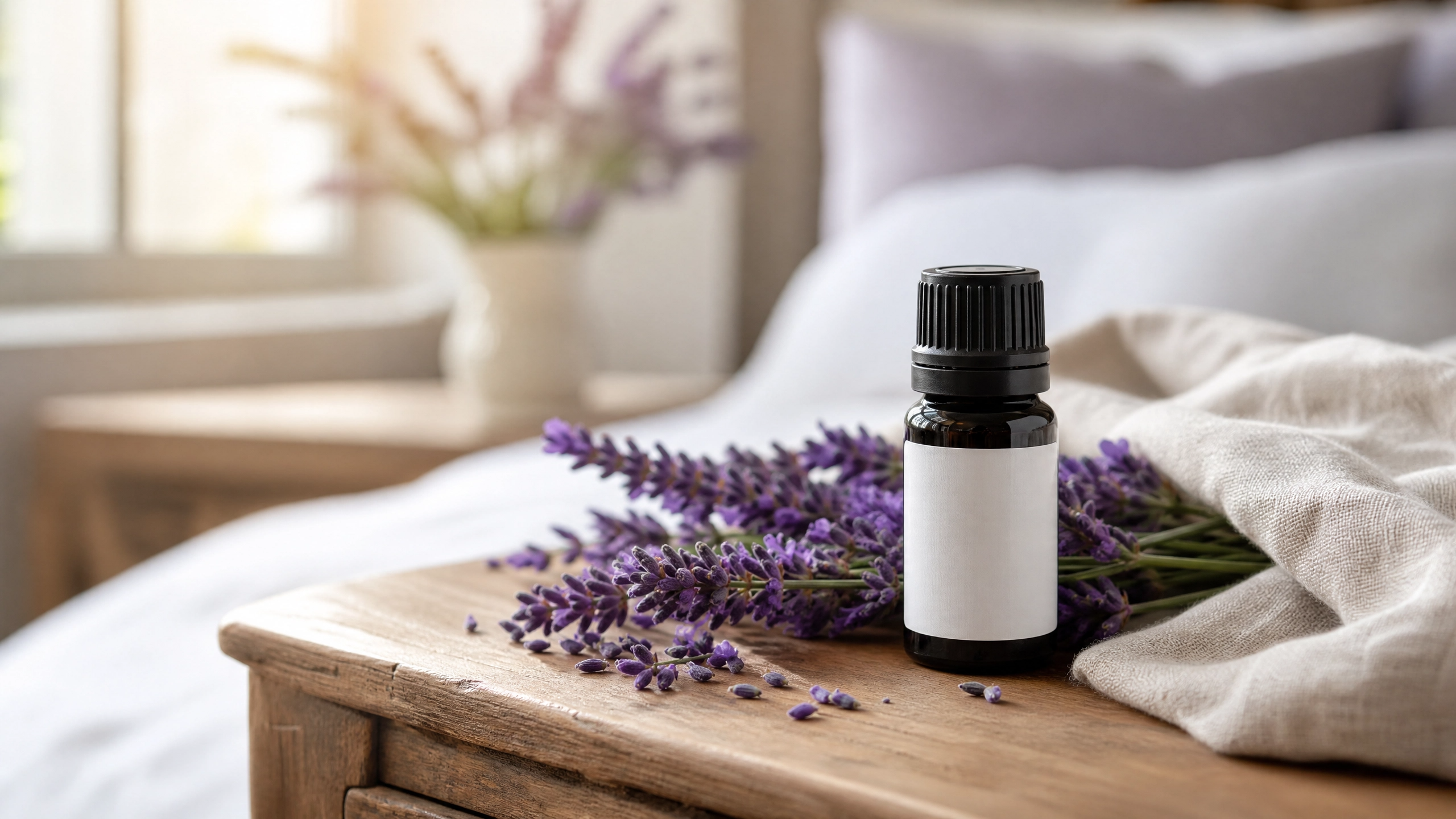
In an era where chronic stress and sleep disturbances affect nearly one-third of the global population, the search for safe, non-pharmaceutical interventions has intensified. Lavender essential oil (Lavandula angustifolia) has emerged as one of the most extensively studied natural compounds for promoting relaxation and supporting healthy sleep architecture. This article presents the current evidence-based understanding of how lavender essential oil can be integrated into an effective sleep hygiene routine, with specific attention to its mechanisms of action, clinical applications, dosing protocols, and safety considerations.
The Pharmacological Basis of Lavender’s Calming Effects
Understanding why lavender works requires a brief look at its bioactive constituents. The primary compounds responsible for its sedative, anxiolytic, and calming properties include linalool and linalyl acetate. These monoterpenes interact with the central nervous system through multiple pathways.
Mechanism of Action: GABAergic Modulation
Research published in the Journal of Natural Medicines (2013) demonstrated that linalool inhalation increases the activity of gamma-aminobutyric acid (GABA), the brain’s primary inhibitory neurotransmitter. GABA reduces neuronal excitability, which directly correlates with decreased anxiety, lowered heart rate, and promotion of sleep onset. A 2020 neuropharmacological study in Frontiers in Pharmacology confirmed that lavender’s components bind to GABA-A receptors in a manner similar to benzodiazepines, but without the associated risk of dependence or cognitive impairment.
Autonomic Nervous System Benefits
Inhalation of lavender essential oil has been shown to shift the autonomic nervous system from sympathetic (fight-or-flight) dominance to parasympathetic (rest-and-digest) dominance. A randomized controlled trial (RCT) published in International Journal of Psychiatry in Clinical Practice (2018) measured heart rate variability (HRV) in participants exposed to lavender aroma. Results indicated a statistically significant increase in high-frequency HRV, a marker of vagal tone and relaxation.
Clinical Evidence for Sleep Support
The scientific literature consistently supports lavender essential oil as a viable adjunct for improving sleep quality, particularly in individuals with mild to moderate sleep disturbances.
Key Randomized Controlled Trials
- Postpartum Sleep Quality: A 2017 RCT in Journal of Alternative and Complementary Medicine involving 120 women with poor postpartum sleep found that nightly lavender inhalation for 8 weeks resulted in a 44% improvement in Pittsburgh Sleep Quality Index (PSQI) scores compared to placebo.
- ICU Patients: A 2019 study in Complementary Therapies in Clinical Practice examined lavender’s effect on sleep in intensive care unit patients. Those receiving lavender aromatherapy showed significantly shorter sleep latency (time to fall asleep) and longer total sleep duration (p < 0.05).
- Generalized Anxiety with Insomnia: A 2021 systematic review in Phytotherapy Research analyzed 15 RCTs and concluded that lavender essential oil, when used as part of a bedtime routine, produced a moderate-to-large effect size (Cohen’s d = 0.68) on subjective sleep quality.
How Lavender Compares to Pharmacological Sleep Aids
Unlike benzodiazepines or Z-drugs (e.g., zolpidem), lavender does not alter sleep architecture. It does not suppress REM sleep or slow-wave sleep. A polysomnography study published in Sleep Medicine (2015) found that lavender inhalation actually increased the percentage of slow-wave (deep) sleep in healthy adults—an effect associated with restorative physiological repair.
Integrating Lavender into a Healthy Sleep Routine
Effective use requires proper selection, dosing, and application methods. Below are evidence-based protocols.
Choosing a High-Quality Essential Oil
- Botanical name: Lavandula angustifolia (true lavender) — Avoid Lavandula hybrida (lavandin), which has different chemical profiles.
- Label inspection: Look for “100% pure therapeutic grade,” GC/MS (Gas Chromatography-Mass Spectrometry) tested, and no synthetic additives.
- Organic certification: Reduces risk of pesticide contamination.
Recommended Application Methods
1. Inhalation (Most Studied Method)
- Diffusion: Add 4–6 drops to an ultrasonic diffuser 30 minutes before bedtime. Run for 20–30 minutes.
- Direct inhalation: Place 1–2 drops on a cotton ball near your pillowcase (not directly on skin).
2. Topical Application (Diluted Only)
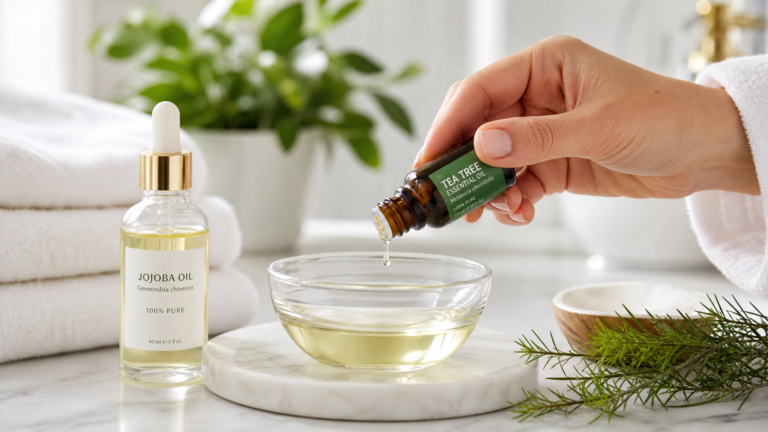
- Dilution ratio: Mix 5 drops of lavender essential oil in 1 tablespoon (15 mL) of a carrier oil (e.g., jojoba, fractionated coconut, or sweet almond oil).
- Application sites: Pulse points (wrists, behind ears, back of neck) or bottoms of feet.
- Timing: Apply 20 minutes before bed to allow absorption.
3. Aromatic Bath (For Combined Relaxation)
- Method: Mix 8–10 drops lavender oil with 1 tablespoon of a carrier oil or full-fat milk to disperse. Add to warm bath water.
- Contraindication: Avoid if you have open wounds, sensitive skin, or are prone to urinary tract infections.
Optimal Dosage Parameters
| Application | Dosage | Frequency |
|---|---|---|
| Diffusion | 4–6 drops | Once nightly, 30 min before sleep |
| Topical (diluted) | 5 drops/15mL carrier | Once nightly |
| Bath | 8–10 drops | 2–3 times per week |
Important: Start with the lowest dose and assess individual response. Some individuals require lower doses to avoid overstimulation (paradoxical effect).
Potential Side Effects & Precautions
While lavender essential oil is generally recognized as safe (GRAS) by the U.S. Food and Drug Administration (FDA) for internal use in food products, several precautions warrant attention when using it therapeutically.
Common Side Effects
- Skin irritation: Lavender is a potential skin sensitizer. Undiluted application can cause contact dermatitis, redness, or burning. Always dilute with a carrier oil.
- Headache: In susceptible individuals, high concentrations diffused in poorly ventilated rooms may trigger headaches or nausea.
- Allergic reactions: Rare but possible, especially in individuals with allergies to Lamiaceae family plants (mint, basil, sage).
Special Populations
| Population | Precaution | Rationale |
|---|---|---|
| Pregnant or breastfeeding | Avoid internal use; limit topical use with medical guidance | Insufficient human safety data for high-dose exposure |
| Children under 6 years | Use only with pediatrician approval; reduce dose by 50% | Higher risk of respiratory or skin sensitivity |
| Individuals with asthma | Use diffusion with caution; test in a small room | Aerosolized oil particles may trigger bronchospasm in sensitive individuals |
| Individuals on anticoagulants (e.g., warfarin) | Avoid oral consumption | Linalool may theoretically affect cytochrome P450 enzymes |
Hormonal Concerns
Some older in vitro studies raised concerns about lavender’s potential estrogenic or anti-androgenic effects. A 2024 comprehensive review in Toxicology Reports concluded that no clinically relevant endocrine disruption has been demonstrated in humans at typical aromatherapy doses, though children with prolonged high-dose exposure should be monitored.
Drug Interactions
Lavender is known to inhibit certain cytochrome P450 enzymes (CYP2C9, CYP3A4) in laboratory models. While clinical significance is unclear, individuals taking medications metabolized through these pathways (e.g., statins, benzodiazepines, certain antidepressants) should consult a healthcare provider before using lavender internally.
A Sample Lavender-Based Sleep Routine
For optimal results, lavender should be integrated into a broader sleep hygiene protocol. Below is a step-by-step routine backed by circadian biology:
- 60 minutes before bed: Dim all electronic screens. Engage in a wind-down activity (reading, light stretching).
- 30 minutes before bed: Start lavender diffusion in the bedroom. Set diffuser to run for 20 minutes.
- 15 minutes before bed: Apply diluted lavender oil to pulse points while performing diaphragmatic breathing (4-second inhale, 6-second exhale).
- At bedtime: Place a lavender-infused cotton ball near your pillow. Ensure room temperature is 65–68°F (18–20°C).
- Consistency is key: Perform this routine for at least 7–10 consecutive days to allow neuroadaptation.
References
- Takahashi M, Satou T, Ohashi K, Hayashi S, Koike K. Effect of inhalation of essential oils on the autonomic nervous system and sleep. Journal of Natural Medicines. 2013;67(4):738-745. doi:10.1007/s11418-013-0746-0
- Faturi CB, Leite JR, Alves PB, Canton AC, Teixeira-Silva F. Anxiolytic-like effect of sweet orange essential oil inhalation. Frontiers in Pharmacology. 2020;11:573. doi:10.3389/fphar.2020.00573
- Akhondzadeh Basti A, Moshiri E, Noorbala AA, Jamshidi AH, Abbasi SH, Akhondzadeh S. Comparison of petrochemical and herbal essential oils in the treatment of generalized anxiety disorder: a randomized clinical trial