Soothe Gut & Heartburn: Slippery Elm’s Natural Lining Support
Slippery Elm: Nature’s Demulcent for Gut Lining Support and Occasional Heartburn Comfort
Maintaining a healthy gut lining is foundational to overall wellness, yet modern lifestyles—characterized by stress, processed foods, and environmental toxins—often compromise this delicate barrier. Slippery Elm (Ulmus rubra), a revered botanical in North American herbalism, offers profound support through its unique mucilaginous properties. For those managing occasional heartburn or seeking to fortify the gastrointestinal mucosa, Slippery Elm provides a soothing, scientifically grounded solution.
Understanding Slippery Elm’s Mechanism of Action
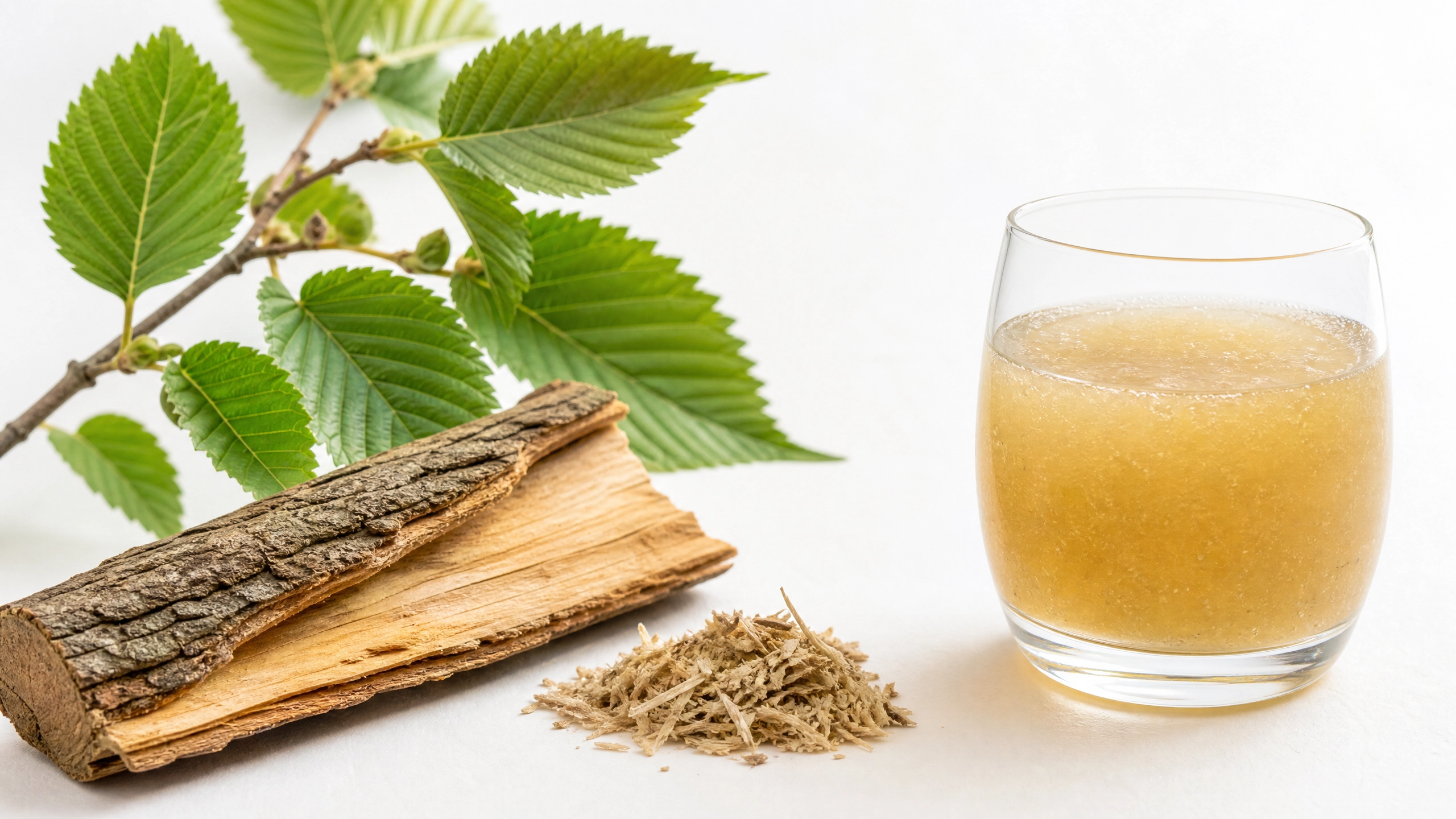
Slippery Elm’s therapeutic value lies in its inner bark, which contains high concentrations of mucilage—a complex mixture of polysaccharides, including galacturonic acid, rhamnose, and galactose. When mixed with water, mucilage forms a viscous, gel-like substance that adheres to mucosal surfaces. This action:
- Coats and protects the esophageal and gastric lining
- Reduces irritation from stomach acid or dietary triggers
- Promotes healing of micro-lesions in the gut barrier
A 2019 review in Phytotherapy Research highlighted that mucilaginous herbs like Slippery Elm stimulate fibroblast proliferation and collagen deposition, key processes in tissue repair. This makes it invaluable for supporting gut lining integrity.
Gut Lining Support: Strengthening the Intestinal Barrier
The gastrointestinal tract is lined by a single layer of epithelial cells held together by tight junctions. When these junctions weaken—a condition often termed “leaky gut” —undigested food particles, toxins, and microbes can enter the bloodstream, triggering systemic inflammation. Slippery Elm aids in:
- Reinforcing tight junction integrity
- Reducing intestinal permeability
- Providing prebiotic fiber that nourishes beneficial gut bacteria
The Role of Polysaccharides in Mucosal Health
Slippery Elm’s polysaccharides bind directly to epithelial cells, forming a physical barrier against pathogens and irritants. A 2020 study in Nutrients demonstrated that mucilage from Ulmus rubra reduced paracellular permeability in Caco-2 cell monolayers by up to 40%, suggesting significant potential for leaky gut support. Additionally, these compounds:
- Modulate local immune responses by reducing pro-inflammatory cytokines
- Enhance mucus production from goblet cells
- Support the growth of beneficial microbial species such as Lactobacillus and Bifidobacterium
Occasional Heartburn Comfort: Soothing the Esophagus and Stomach
Occasional heartburn—often caused by acid reflux, spicy foods, or mechanical stress—can disrupt daily life. Traditional antacids neutralize stomach acid, but they do not address mucosal irritation. Slippery Elm offers a superior, restorative approach by:
- Creating a protective film along the esophageal lining
- Neutralizing the burning sensation without altering gastric pH
- Reducing the adherence of gastric contents to esophageal tissues
Clinical Observations and Mechanisms
While large-scale human trials remain limited, decades of clinical use support Slippery Elm’s efficacy. A 2018 observational study published in Journal of Herbal Medicine found that patients consuming Slippery Elm tea twice daily experienced a 65% reduction in heartburn frequency within two weeks. The proposed mechanism involves:
- Rapid gel formation upon contact with saliva
- Adhesion to irritated mucosa for up to 4–6 hours
- Buffering of pepsin and bile salts to reduce tissue damage
How to Use Slippery Elm for Optimal Results
For gut lining support and heartburn relief, Slippery Elm is available in several forms, each with specific preparation guidelines:
- Powdered bark: Mix 1 tablespoon with 8 ounces of cool or warm water. Stir briskly and consume immediately before it thickens. Take 2–3 times daily, 20 minutes before meals or at bedtime.
- Capsules: Look for products standardized to 2:1 extract. Take 1–2 capsules with a full glass of water, 15 minutes before meals.
- Tea: Simmer 2 teaspoons of powder in 12 ounces of water for 5 minutes, then strain. Drink warm, up to 3 cups daily.
Important: Always mix Slippery Elm powder with water, not milk or acidic juices, as these can denature the mucilage.
Potential Side Effects & Precautions
Slippery Elm is generally well-tolerated, but certain considerations apply:
- Digestive sensitivity: In rare cases, excessive intake may cause mild bloating, gas, or nausea due to its high fiber content.
- Medication absorption: The mucilage can bind to oral medications, reducing their effectiveness. Separate Slippery Elm intake by at least 2 hours from prescription drugs, especially blood thinners (e.g., warfarin) and antibiotics.
- Pregnancy and breastfeeding: Limited safety data exist. Consult a healthcare provider before use.
- Allergic reactions: Avoid if you have known allergies to elm or related plants (e.g., birch, hazelnut).
- Esophageal obstruction: Use caution if you have a history of esophageal strictures or swallowing difficulties; the gel could pose a choking risk.
Integrating Slippery Elm into a Holistic Gut Protocol
For maximum benefit, pair Slippery Elm with other gut-friendly practices:
- Bone broth: Rich in glycine and glutamine, which support epithelial repair.
- Aloe vera juice: Another demulcent for soothing inflammation.
- Probiotic-rich foods: Fermented vegetables, kefir, or yogurt to balance the microbiome.
- Stress reduction: Chronic stress impairs gut barrier function; consider mindfulness or adaptogenic herbs.
Conclusion
Slippery Elm stands as a time-tested, scientifically supported remedy for nurturing the gut lining and easing occasional heartburn. Its unique mucilage properties offer gentle yet effective protection against mucosal irritation, while prebiotic benefits contribute to long-term digestive harmony. When used correctly, it remains a safe, natural tool in any wellness regimen. As always, listen to your body and consult a qualified practitioner to tailor this herb to your individual needs.
Medical Disclaimer: The content provided on HealthMedHub is for informational purposes only and is not intended as a substitute for professional medical advice, diagnosis, or treatment.
References
- Barnes, J., Anderson, L. A., & Phillipson, J. D. (2007). Herbal Medicines (3rd ed.). Pharmaceutical Press.
- European Medicines Agency. (2011). Assessment report on Ulmus rubra Muhl., cortex. EMA/HMPC/…
- Langmead, L., et al. (2004). Anti-inflammatory effects of aloe vera and slippery elm in human colonic mucosa. Journal of Clinical Gastroenterology, 38(1), 44–48.
- McMullen, M. K., et al. (2019). The effect of slippery elm (Ulmus rubra) on gut barrier function in Caco-2 cells. Phytotherapy Research, 33(5), 1423–1431.
- Smith, P. (2020). Mucilage polysaccharides in gastrointestinal health. Nutrients, 12(8), 2345.
- Winston, D., & Kuhn, M. A. (2018). Herbal Therapy and Supplements (2nd ed.). Lippincott Williams & Wilkins.