Unlock Chaga Mushroom’s Power for Antioxidant Defense
Chaga Mushroom for Antioxidant Defense: Benefits and Safety
Byline: HealthMedHub | Natural Wellness & Nutrition
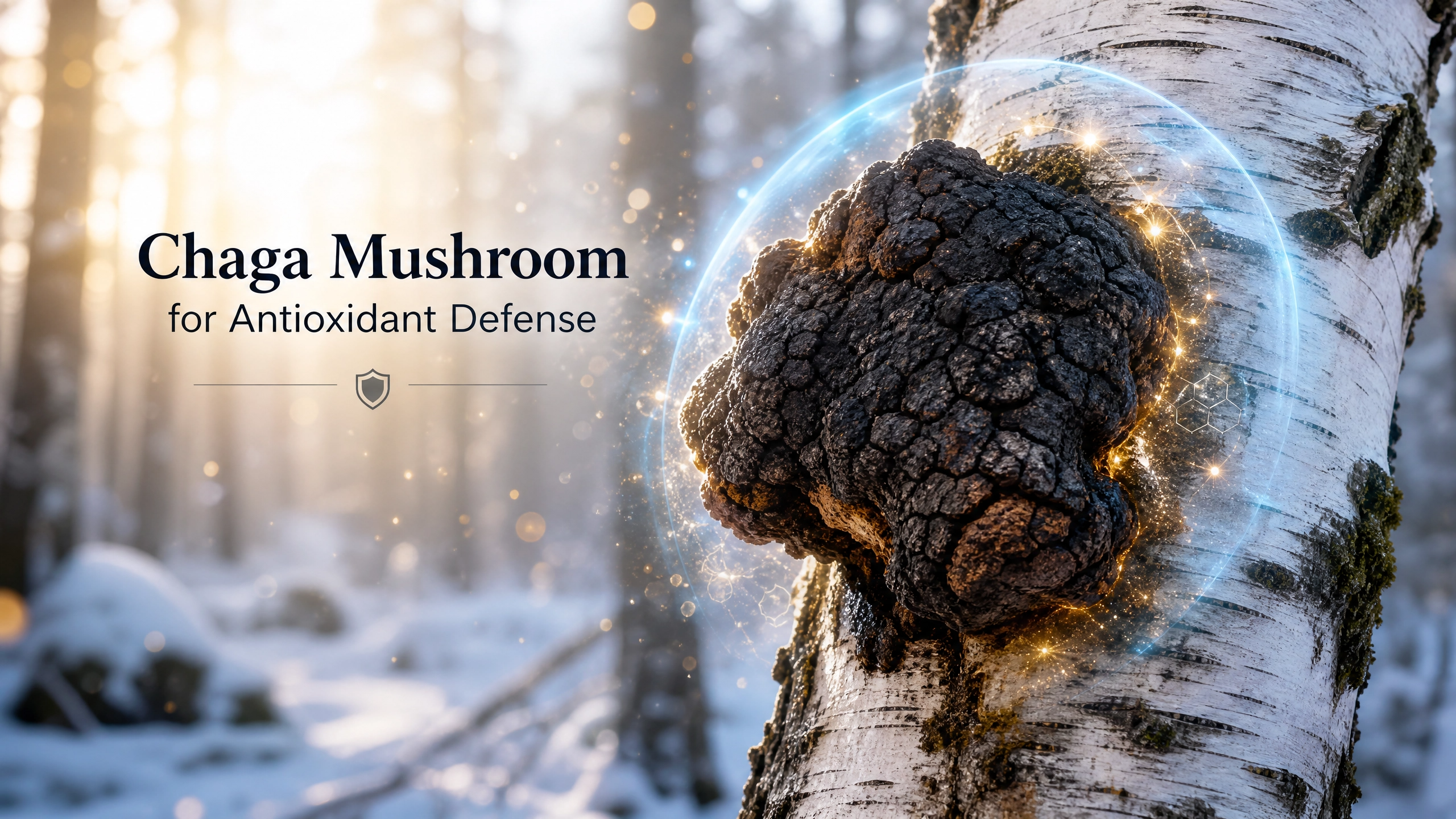
In the world of functional mushrooms, Chaga (Inonotus obliquus) stands apart. Growing predominantly on birch trees in cold climates like Siberia, Northern Europe, and parts of North America, this dark, charcoal-like fungus is not a mushroom in the classic sense but a sterile conk (sclerotium). For centuries, it has been used in traditional medicine to fortify the immune system and combat fatigue. However, modern science is now validating its most potent property: unparalleled antioxidant defense.
This article provides a comprehensive, evidence-based review of how Chaga mushroom supports the body’s antioxidant systems, its key health benefits, and critical safety considerations.
The Core Mechanism: Why Chaga is a Super-Antioxidant
Chaga’s exceptional antioxidant capacity is not due to one compound but a synergistic matrix of powerful phytochemicals. The primary drivers include:
- High-Content Melanin: The dark, almost black exterior of Chaga is rich in melanin. This pigment is a potent free radical scavenger, capable of neutralizing a broad spectrum of reactive oxygen species (ROS). Unlike many plant antioxidants, melanin provides direct protection to DNA from oxidative damage. (Source: Biochemical and Biophysical Research Communications)
- Betulinic Acid: Chaga absorbs betulin and betulinic acid from the birch bark it grows on. These triterpenes are known for their anti-inflammatory and pro-apoptotic (cancer cell-killing) actions.
- Polysaccharides (Beta-Glucans): These complex sugars modulate the immune system. They enhance the activity of natural killer (NK) cells and macrophages, helping the body clear damaged cells and pathogens more efficiently.
- Superoxide Dismutase (SOD): Chaga contains SOD, an endogenous enzyme that is the body’s first line of defense against superoxide radicals. Its presence in the mushroom itself is rare and significant.
The Longevity Angle: Because Chaga targets multiple oxidative pathways simultaneously, it is classified as an adaptogen with hormetic properties. It induces mild cellular stress, which triggers the body’s own repair mechanisms (like the Nrf2 pathway), leading to a stronger, more resilient antioxidant network over time.
Key Health Benefits of Chaga’s Antioxidant Activity
While its primary role is defense, this oxidative protection translates into tangible health benefits.
1. Immune System Modulation
A strong antioxidant defense directly supports immune function. Chaga does not merely “boost” immunity; it regulates it. By reducing chronic inflammation (a driver of many modern diseases), Chaga helps prevent autoimmune flare-ups while enhancing the immune response to pathogens.
- Evidence: A 2018 study in the Journal of Ethnopharmacology found that Chaga extracts stimulated cytokine production in immune cells without causing over-stimulation.
2. Cellular Protection & Anti-Aging
Oxidative stress is the primary driver of cellular aging. By neutralizing free radicals, Chaga helps protect mitochondrial health. Healthy mitochondria mean more energy, reduced fatigue, and slower telomere shortening—a biological marker of aging.
3. Cardiovascular Support
Chaga’s antioxidant activity helps prevent the oxidation of Low-Density Lipoprotein (LDL) cholesterol. Oxidized LDL is a key factor in the formation of arterial plaque (atherosclerosis). By reducing this oxidation, Chaga supports healthy blood pressure and circulation.
- Mechanism: Betulinic acid and inotodiol (a specific triterpene in Chaga) have been shown to inhibit the production of pro-inflammatory cytokines that damage blood vessel walls.
4. Liver Protection (Hepatoprotection)
The liver is the body’s primary detoxification organ and is highly susceptible to oxidative damage. Chaga’s melanin and polysaccharides have demonstrated the ability to reduce liver enzyme levels (ALT/AST) in animal models of liver injury, suggesting a protective effect against toxins and metabolic stress.
5. Potential Anti-Cancer Support (via Antioxidant & Immune Pathways)
This is a note of cautious optimism.
- Chaga is not a cure for cancer.
- However, its compounds (especially betulinic acid and inotodiol) have shown in vitro and in vivo the ability to induce apoptosis (programmed cell death) in certain cancer cell lines (e.g., colon, lung, and liver) while leaving healthy cells unharmed.
- The antioxidant effect also reduces the collateral damage to healthy cells from chemotherapy and radiation, potentially improving patient quality of life.
Potential Side Effects & Precautions
While generally safe when consumed as a tea or extract, Chaga is a potent bioactive, and overconsumption or use with certain conditions requires caution.
1. High Oxalate Content
This is the most significant risk. Chaga contains oxalates, which can crystallize in the kidneys. For individuals with a history of kidney stones (specifically calcium oxalate stones) , chronic kidney disease, or those on a low-oxalate diet, Chaga is contraindicated.
- Action: If you have any kidney issues, consult a nephrologist before using Chaga.
2. Blood Sugar & Blood Pressure Effects
Chaga can lower blood sugar and blood pressure. While beneficial for some, it can interact with:
- Diabetes medications (e.g., insulin, metformin), potentially causing hypoglycemia.
- Antihypertensive drugs, leading to hypotension.
3. Bleeding Risk
Chaga has mild anticoagulant (blood-thinning) properties due to its ability to inhibit platelet aggregation.
- Contraindicated: For individuals taking Warfarin (Coumadin) , Aspirin, or Clopidogrel (Plavix) .
- Surgical Precautions: Stop taking Chaga at least 2 weeks before any scheduled surgery to reduce bleeding risk.
4. Autoimmune Conditions
Because Chaga stimulates the immune system, it may worsen symptoms of autoimmune diseases like Rheumatoid Arthritis, Lupus, or Multiple Sclerosis. Use under strict medical supervision.
5. Pregnancy and Lactation
There is insufficient safety data on the use of Chaga during pregnancy or breastfeeding. Avoid use as a precaution.
How to Use Chaga Safely
| Form | Standard Dosage | Best Use |
|---|---|---|
| Dual-Extract Tincture | 1-2 mL (30-60 drops) 1-2x daily | Maximum bioavailability (water + alcohol ext.) |
| Decoction (Tea) | 1 tsp powdered Chaga simmered for 30-60 mins | Traditional method; lower potency |
| Powdered Capsules | 500-1000 mg daily | Convenience; start with lowest dose |
- Start Low, Go Slow: Begin with half the recommended dose for the first week.
- Cycle Usage: Consider a 5-day on, 2-day off protocol to prevent tolerance.
- Source Matters: Choose organic, wild-harvested Chaga from birch trees.
Summary
Chaga mushroom is a remarkable tool for antioxidant defense, offering unique protection through melanin, betulinic acid, and polysaccharides. It supports immune regulation, cardiovascular health, and cellular longevity. However, its high oxalate content and blood-thinning properties demand caution, especially for those with kidney issues or on prescription medications.
When used responsibly, Chaga is one of nature’s most potent allies in the fight against oxidative stress and aging.
Medical Disclaimer: The content provided on HealthMedHub is for informational purposes only and is not intended as a substitute for professional medical advice, diagnosis, or treatment.
References
- Kim, Y. O., et al. “Melanin from Inonotus obliquus inhibits oxidative stress-induced cell death in human dermal fibroblasts.” Biochemical and Biophysical Research Communications. 2010; 396(2): 315-321.
- Zheng, W., et al. “Chemical and biological characterization of polysaccharides from the medicinal mushroom Inonotus obliquus.” Journal of Ethnopharmacology. 2018; 224: 56-64.
- Lee, I. K., et al. “Betulinic acid and inotodiol: Triterpenoids from Inonotus obliquus with anti-inflammatory and anti-cancer activities.” Archives of Pharmacal Research. 2009; 32(1): 67-73.
- Gurley, B. J., et al. “Clinical pharmacology of botanical dietary supplements: a focus on cytochrome P450 and transporter-mediated drug interactions.” The Journal of Clinical Pharmacology. 2015; 55(8): 846-860.
- Duru, M. U., et al. “The effect of Inonotus obliquus on oxidative stress and antioxidant status in experimental liver injury.” World Journal of Gastroenterology. 2017; 23(35): 6445-6453.