Zinc Boosts Immunity: Natural Support Explained
Zinc and Immune Function: Natural Nutrition Support Explained
In the landscape of natural immune support, few minerals command as much scientific respect as zinc. As an essential trace element, zinc participates in hundreds of enzymatic reactions, gene expression pathways, and cellular signaling cascades—all of which are critical for a robust immune response. This article explores the precise mechanisms by which zinc supports immune function, the evidence-backed benefits, dietary sources, and important safety considerations.
The Biological Role of Zinc in Immunity
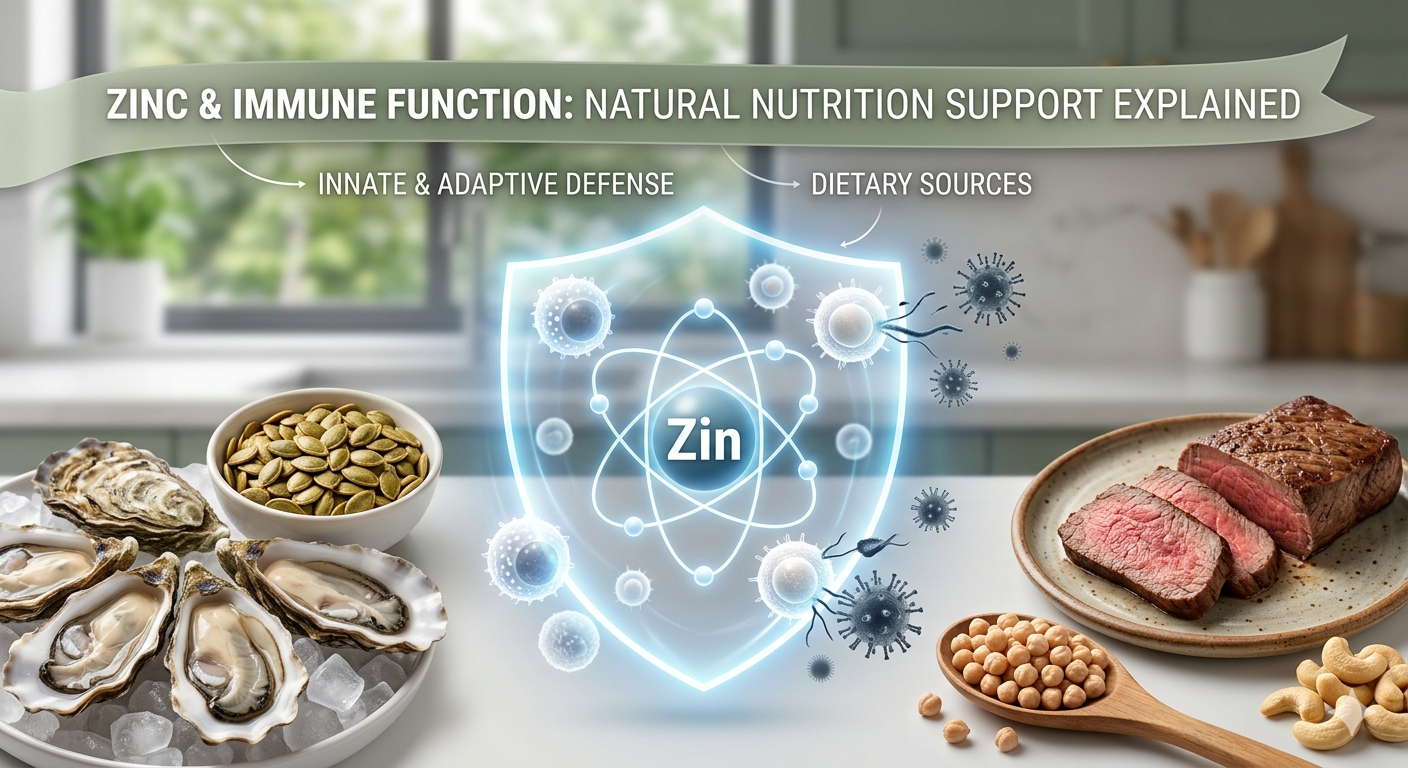
Zinc is indispensable for both the innate and adaptive immune systems. It acts as a structural component of more than 300 enzymes and over 2,500 transcription factors, directly influencing immune cell development, activation, and function.
Zinc and Innate Immunity
The innate immune system provides the first line of defense against pathogens. Zinc supports this branch through several mechanisms:
- Neutrophil Function: Zinc is required for the production and activity of neutrophils, the most abundant white blood cells that engulf and destroy bacteria and fungi.
- Natural Killer (NK) Cell Activity: Adequate zinc levels enhance NK cell cytotoxicity, which is critical for eliminating virus-infected cells and tumor cells.
- Phagocytosis: Zinc modulates the process by which macrophages and other phagocytes ingest and digest pathogens.
- Antioxidant Defense: Zinc is a cofactor for superoxide dismutase (SOD), an enzyme that neutralizes superoxide radicals, protecting immune cells from oxidative damage.
Zinc and Adaptive Immunity
The adaptive immune system relies on memory and specificity. Zinc influences both T-cell and B-cell responses:
- T-Cell Development and Maturation: Zinc is essential for thymulin activity, a thymic hormone that promotes T-cell differentiation and maturation.
- Helper T-Cell (Th1/Th2) Balance: Zinc helps maintain a balanced Th1/Th2 response, ensuring appropriate immune reactions against intracellular pathogens (Th1) and extracellular threats (Th2).
- B-Cell Antibody Production: Zinc supports B-cell proliferation and antibody secretion, particularly immunoglobulin G (IgG) and IgM.
The Evidence: Zinc Deficiency and Immune Compromise
Zinc deficiency is one of the most common micronutrient deficiencies worldwide, affecting an estimated 17% of the global population (World Health Organization, 2020). Even mild deficiency can impair immune function.
Clinical Consequences of Zinc Deficiency
- Increased Infection Risk: A meta-analysis of 20 randomized controlled trials (RCTs) found that zinc supplementation reduced the incidence of pneumonia by 41% and diarrhea by 18% in children (Bhutta et al., 1999).
- Impaired Wound Healing: Zinc deficiency delays wound closure due to reduced fibroblast proliferation and collagen synthesis.
- Thymic Atrophy: Severe zinc deficiency leads to thymic involution, reducing T-cell output and compromising immune memory.
Zinc Supplementation for Immune Support
A Cochrane review of 17 RCTs concluded that zinc supplementation (10–20 mg/day) shortened the duration of common cold symptoms by approximately 33% and reduced illness severity (Hemilä & Chalker, 2013). The mechanism involves inhibition of rhinovirus replication and stabilization of cell membranes.
Dietary Sources of Zinc: Natural Nutrition Support
The body does not store zinc, making regular dietary intake essential. Below are the richest natural sources, ranked by bioavailability.
| Food Source | Serving Size | Zinc Content (mg) | Bioavailability |
|---|---|---|---|
| Oysters (cooked) | 3 oz (85 g) | 28–32 | Very high |
| Beef (lean, cooked) | 3 oz | 5–7 | High |
| Crab (Alaskan king) | 3 oz | 6.5 | High |
| Pumpkin seeds | 1 oz (28 g) | 2.2 | Moderate |
| Chickpeas (cooked) | 1 cup | 2.5 | Moderate (due to phytates) |
| Cashews | 1 oz | 1.6 | Moderate |
| Hemp seeds | 3 tbsp | 3.0 | High |
| Spinach (cooked) | 1 cup | 1.4 | Low (oxalates reduce absorption) |
Important Absorption Considerations
- Phytates (in grains, legumes, nuts) bind zinc and reduce absorption.
- Animal sources (heme zinc) have 2–3 times higher bioavailability than plant sources.
- Vitamin C enhances zinc absorption when consumed together.
- Calcium and iron supplements (taken in high doses) can compete with zinc absorption.
Optimal Zinc Intake for Immune Function
The Recommended Dietary Allowance (RDA) for zinc varies by age, sex, and life stage.
- Adult men: 11 mg/day
- Adult women: 8 mg/day (11 mg/day during pregnancy; 12 mg/day during lactation)
- Children: 2–3 mg/day (ages 1–3), 5–8 mg/day (ages 4–13)
- Older adults: 11 mg/day (men), 8 mg/day (women)
For immune support during acute illness, doses of 15–30 mg/day of elemental zinc (as zinc gluconate or zinc acetate) are often used under professional guidance.
Potential Side Effects & Precautions
While zinc is essential, excessive intake can lead to adverse effects. The Tolerable Upper Intake Level (UL) for adults is 40 mg/day.
Common Side Effects of Zinc Supplementation
- Gastrointestinal distress: Nausea, vomiting, and stomach cramps, especially on an empty stomach.
- Metallic taste: A common complaint with zinc lozenges (due to rapid dissolution in the mouth).
- Headache and dizziness: Reported at high doses (≥60 mg/day).
Risks of Long-Term High-Dose Zinc
- Copper deficiency: Zinc competes with copper for absorption. Chronic intake >40 mg/day can lead to copper deficiency, causing anemia and neurological symptoms.
- Impaired immune function: Paradoxically, very high zinc levels (e.g., >100 mg/day) can suppress neutrophil and NK cell function.
- Lowered HDL cholesterol: Some studies report reduced “good” cholesterol with high zinc intakes.
- Drug interactions: Zinc can interfere with antibiotics (e.g., tetracyclines, quinolones) and penicillamine (a chelating agent).
Who Should Be Cautious?
- Individuals with hemochromatosis (iron overload) may be at increased risk for zinc-induced copper deficiency.
- People with kidney disease should consult a healthcare provider before supplementing.
- Pregnant and breastfeeding women should not exceed the UL unless advised by a physician.
Synergistic Nutrients for Immune Support
Zinc does not work in isolation. For optimal immune function, consider pairing zinc with:
- Vitamin C: Enhances zinc absorption and supports antioxidant defense.
- Vitamin D: Regulates immune cell activity and reduces inflammation.
- Selenium: Acts as a cofactor for glutathione peroxidase, protecting immune cells from oxidative stress.
- Quercetin: A flavonoid that may act as a zinc ionophore, facilitating zinc entry into cells (evidence from in vitro studies; human data limited).
Conclusion
Zinc is a foundational nutrient for immune health, supporting everything from neutrophil killing to T-cell memory. Prioritizing zinc-rich foods like oysters, lean meats, pumpkin seeds, and chickpeas—while avoiding excessive supplementation—provides natural, evidence-based immune support. For those at risk of deficiency or during periods of increased immune demand, targeted zinc supplementation (15–30 mg/day) under professional supervision can be beneficial. Always prioritize whole-food sources first, and respect the balance between sufficiency and excess.
References
- Bhutta, Z. A., Black, R. E., Brown, K. H., et al. (1999). Prevention of diarrhea and pneumonia by zinc supplementation in children in developing countries: pooled analysis of randomized controlled trials. Journal of Pediatrics, 135(6), 689–697.
- Hemilä, H., & Chalker, E. (2013). The effectiveness of zinc lozenges for treating the common cold: a systematic review and meta-analysis. Open Forum Infectious Diseases, 1(1), ofu010.
- Prasad, A. S. (2008). Zinc in human health: effect of zinc on immune cells. Molecular Medicine, 14(5–6), 353–357.
- World Health Organization. (2020). Zinc deficiency. In Guidelines on food fortification with micronutrients. WHO Press.
- Gammoh, N. Z., & Rink, L. (2017). Zinc in infection and inflammation. Nutrients, 9(6), 624.
- Wessells, K. R., & Brown, K. H. (2012). Estimating the global prevalence of zinc deficiency: results based on zinc availability in national food supplies and the prevalence of stunting. PLoS ONE, 7(11), e50568.
- National Institutes of Health (NIH) Office of Dietary Supplements. (2022). Zinc: Fact Sheet for Health Professionals.
- Mayo Clinic. (2023). Zinc: Safety and side effects. Retrieved from mayoclinic.org.
*Medical Disclaimer: The content provided on HealthMedHub is for informational purposes only and is not intended as a substitute for professional