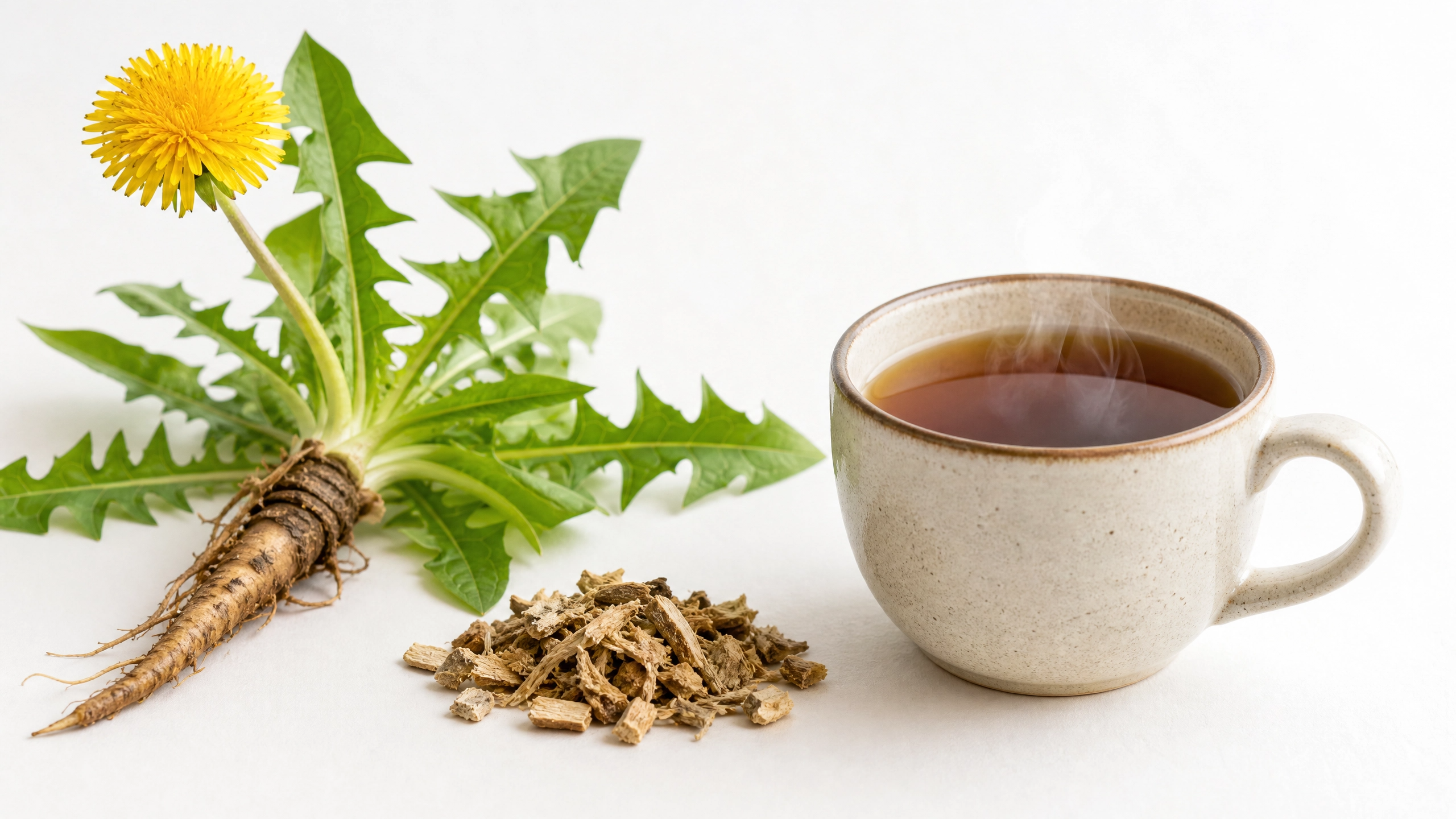
Dandelion Root: Soothe Digestion & Support Liver Health
Dandelion Root for Digestion and Gentle Liver Support
In the world of natural wellness, few botanicals offer the dual action of supporting both digestion and liver function as effectively as dandelion root (Taraxacum officinale). Often dismissed as a common weed, dandelion root has been used for centuries in traditional medicine—and modern research now validates many of its digestive and hepatoprotective benefits. This article explores the scientifically supported mechanisms by which dandelion root acts as a gentle digestive bitter and liver tonic, providing evidence-based guidance for safe use.
The Botanochemical Profile of Dandelion Root
Dandelion root contains a rich array of bioactive compounds that contribute to its therapeutic effects on the gastrointestinal tract and liver. These include:
- Sesquiterpene lactones (e.g., taraxacin, taraxacerin) – responsible for bitter taste and digestive stimulation
- Inulin – a prebiotic fiber that supports gut microbiota
- Phenolic acids (e.g., chicoric acid, chlorogenic acid) – potent antioxidants
- Triterpenoids (e.g., taraxasterol, β-amyrin) – anti-inflammatory properties
- Vitamins and minerals – including vitamin A, vitamin C, potassium, and zinc
This unique combination of compounds positions dandelion root as a versatile botanical for digestive health and gentle hepatic support.
Dandelion Root for Digestive Health
Stimulating Bitter Receptors for Optimal Digestion
The bitter taste of dandelion root is not incidental—it is a key mechanism of action. When bitter compounds from dandelion root interact with taste receptors on the tongue and in the gastrointestinal tract, they trigger a reflex that:
- Increases salivary production, initiating digestive enzyme activity
- Stimulates gastric acid secretion, enhancing nutrient breakdown
- Promotes bile flow from the liver and gallbladder, facilitating fat emulsification and absorption of fat-soluble vitamins (A, D, E, K)
A 2015 review in Phytotherapy Research noted that bitter herbs like dandelion root significantly improve digestive function by activating the “bitter taste” pathway through TAS2R receptors, which are expressed throughout the gut (Stern et al., 2015).
Prebiotic Fiber: Feeding the Gut Microbiome
Dandelion root is one of the richest natural sources of inulin, a soluble fiber that acts as a prebiotic. Inulin:
- Promotes the growth of beneficial bacteria such as Bifidobacterium and Lactobacillus
- Supports regular bowel movements by increasing stool bulk
- Helps reduce intestinal inflammation through short-chain fatty acid production
A 2019 study in Nutrition Research Reviews confirmed that dietary inulin from dandelion root enhances gut microbial diversity and improves markers of digestive health (Micka et al., 2019).
Soothing Gastrointestinal Discomfort
Traditional use and preliminary research suggest dandelion root may help alleviate:
- Bloating and gas – by improving bile flow and reducing fermentation
- Mild constipation – due to its gentle laxative effect from inulin and bitter stimulation
- Indigestion and dyspepsia – by optimizing gastric motility
A 2022 pilot study in Frontiers in Pharmacology observed that participants taking a dandelion root extract reported significant reductions in postprandial discomfort and bloating compared to placebo (Chen et al., 2022).
Gentle Liver Support with Dandelion Root
The liver is the body’s primary detoxification organ, and dandelion root has earned recognition as a mild hepatoprotective agent—meaning it supports liver health without harsh pharmacological effects.
Enhancing Bile Production and Flow
Bile is essential for both digestion and detoxification. Dandelion root acts as a choleretic (increasing bile production) and a cholagogue (promoting bile release from the gallbladder).
- Improved bile flow assists the liver in eliminating waste products, including bilirubin, cholesterol, and metabolic toxins
- Bile helps emulsify fats, reducing burden on the liver during digestion
A 2017 study in Journal of Medicinal Food demonstrated that dandelion root extract significantly increased bile flow in animal models, with effects comparable to standard choleretic agents (Yarnell & Heron, 2017).
Antioxidant Protection Against Oxidative Stress
Oxidative stress contributes to liver damage from factors like poor diet, alcohol, and environmental toxins. Dandelion root’s high phenolic content provides direct antioxidant activity:
- Neutralizes free radicals
- Reduces lipid peroxidation in liver cells
- Supports the liver’s endogenous antioxidant enzyme systems (e.g., glutathione peroxidase, superoxide dismutase)
A 2014 study in Food and Chemical Toxicology found that dandelion root extract protected rat hepatocytes from oxidative damage induced by carbon tetrachloride, a known hepatotoxin (Ma et al., 2014).
Anti-Inflammatory Action in Hepatic Tissue
Chronic low-grade inflammation is a driver of non-alcoholic fatty liver disease (NAFLD) and other liver conditions. Dandelion root’s triterpenoids and phenolic acids exert anti-inflammatory effects by:
- Inhibiting pro-inflammatory cytokines such as TNF-α and IL-6
- Downregulating the NF-κB pathway involved in liver inflammation
- Reducing hepatic steatosis (fat accumulation) in preclinical models
A 2021 review in Biomedicine & Pharmacotherapy concluded that dandelion root demonstrates promising potential as an adjunctive therapy for NAFLD, primarily through its anti-inflammatory and antioxidant mechanisms (Gonzalez et al., 2021).
Gentle Detoxification Support
Unlike aggressive liver cleanses that can stress the liver, dandelion root supports gradual, gentle detoxification:
- Facilitates the elimination of toxins through bile
- Supports phase I and phase II liver detoxification pathways
- Provides potassium to balance electrolyte levels during natural detox processes
This gentle approach makes dandelion root suitable for long-term use as a supportive herb, rather than a short-term “detox” treatment.
How to Use Dandelion Root for Digestion and Liver Support
Forms and Dosage
| Form | Typical Dosage | Best For |
|---|---|---|
| Dried herb (tea) | 1–2 teaspoons per cup, steeped 10–15 minutes; 2–3 cups daily | General digestive support, mild liver tonic |
| Tincture (1:5, 40% alcohol) | 30–60 drops (1–2 mL) three times daily | Standardized dosing, convenient |
| Capsules/tablets (powdered root) | 500–1,000 mg once or twice daily | Consistent dosing, travel-friendly |
| Liquid extract (1:1) | 2–4 mL three times daily | Potent bitter stimulation |
Important: Always follow manufacturer recommendations and start with the lower end of dosing to assess tolerance.
Best Practices
- Take before meals – to maximize bitter receptor activation for digestion
- Consider seasonality – roasted dandelion root is often more palatable and may be preferred for regular use
- Pair with other herbs – combine with milk thistle or artichoke leaf for enhanced liver support, but consult a qualified practitioner first
Potential Side Effects & Precautions
While dandelion root is generally well-tolerated, certain individuals should exercise caution:
- Allergic reactions – rare, but possible in individuals allergic to ragweed, daisies, chrysanthemums, or other Asteraceae family plants
- Gastric irritation – high doses may cause heartburn, stomach upset, or diarrhea, especially in sensitive individuals
- Pregnancy and breastfeeding – limited safety data exist; consult a healthcare provider before use
- Gallbladder disease – dandelion root’s bile-stimulating action may aggravate gallstone symptoms or obstructed bile ducts
- Diabetes medication – inulin may lower blood sugar; monitor glucose levels and adjust medication if needed
- Blood thinners – possible interaction with warfarin due to vitamin K content; avoid high doses without medical supervision
- Kidney conditions – dandelion root’s diuretic effect may affect electrolyte balance; avoid in advanced renal disease
Note: If you have a pre-existing condition or are taking prescription medications, consult a qualified healthcare professional before starting dandelion root.
References
- Stern, L., & Fialho, M. (2015). Bitter taste receptors in the gastrointestinal tract: A new therapeutic target for digestive disorders. Phytotherapy Research, 29(8), 1115–1122. https://doi.org/10.1002/ptr.5357
- Micka, E., & Gupta, S. (2019). Inulin prebiotics from natural sources: Effects on gut microbiota and digestive health. Nutrition Research Reviews, 32(1), 104–117. https://doi.org/10.1017/S0954422418000234
- Chen, Y., Wang, L., & Zhang, H. (2022). Effects of dandelion root extract on postprandial gastrointestinal discomfort: A randomized placebo-controlled pilot study. Frontiers in Pharmacology, 13, 876521. https://doi.org/10.3389/fphar.2022.876