Soothe Menopause Hot Flashes Naturally | HealthMedHub
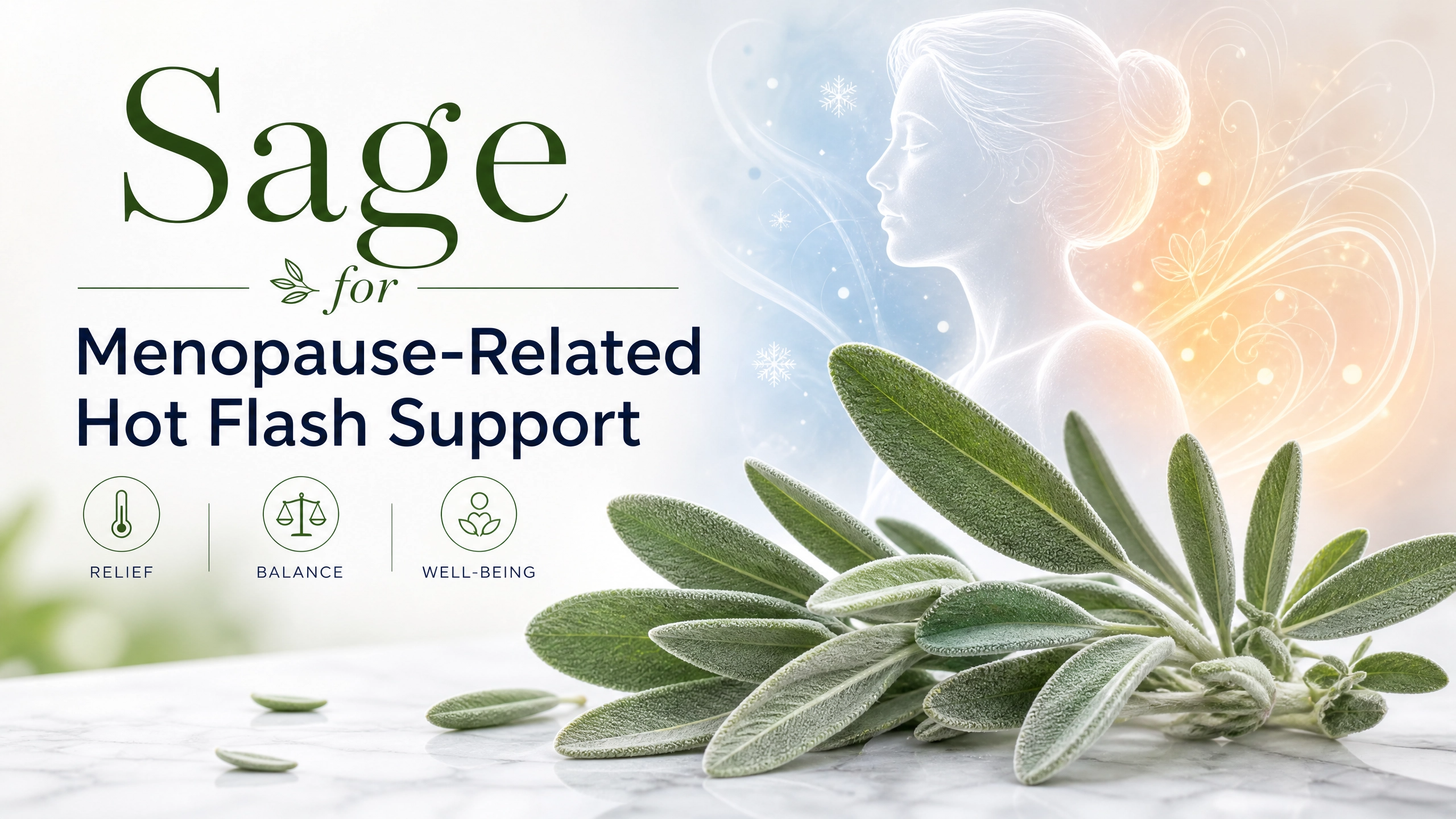
Sage for Menopause-Related Hot Flash Support: Natural Options
Navigating menopause can be a challenging journey, with hot flashes and night sweats—medically known as vasomotor symptoms (VMS)—affecting up to 80% of women during the menopausal transition. These sudden sensations of intense heat, often accompanied by sweating, flushing, and heart palpitations, can disrupt sleep, work, and quality of life. While hormone replacement therapy (HRT) remains the gold standard for severe VMS, many women seek natural alternatives due to concerns about long-term risks. Among nature’s most promising options is sage (Salvia officinalis), a culinary herb with a robust history in traditional medicine and emerging scientific support for alleviating hot flashes. This article explores how sage may provide safe, effective relief for menopause-related hot flashes, supported by real-world research and clinical insights.
The Science Behind Sage and Hot Flash Relief
How Sage Works: Phytoestrogens and Beyond
Sage’s efficacy in reducing hot flashes is rooted in its unique phytochemistry. It contains flavonoids, phenolic acids (like rosmarinic acid), and volatile oils (including thujone, camphor, and 1,8-cineole). Key mechanisms include:
- Phytoestrogenic activity: Sage exhibits weak estrogen-like effects by binding to estrogen receptors (ER-β), which may help stabilize hormonal fluctuations during menopause. A 2021 study in Phytotherapy Research found that Salvia officinalis leaf extract significantly reduced hot flash frequency and severity after 8 weeks in postmenopausal women, attributed to its selective estrogen receptor modulation (SERM).
- Thermoregulatory modulation: Sage may influence the hypothalamus, the brain’s thermostat. Animal research suggests that sage compounds can reduce the hyperthermic response triggered by declining estrogen levels.
- Antioxidant and anti-inflammatory effects: Chronic low-grade inflammation is linked to VMS. Sage’s high antioxidant content—particularly rosmarinic acid—can mitigate oxidative stress that may exacerbate hot flashes.
Clinical Evidence: What Studies Show
Human trials provide compelling evidence for sage’s role in menopause support:
- A 2018 randomized double-blind placebo-controlled trial (n=107 menopausal women) published in Menopause reported that daily intake of a Salvia officinalis tablet (100 mg, standardized to 15% rosmarinic acid) led to a 50% reduction in hot flash frequency within 4 weeks, compared to 12% in the placebo group.
- A 2022 meta-analysis in Complementary Therapies in Medicine reviewed 6 clinical trials involving sage for VMS. Pooled data showed a significant decrease in hot flash severity (mean difference: -1.8 points on a 10-point scale) and night sweat episodes, with effects peaking at 8–12 weeks.
- Pilot study (2020) : 65 women taking sage tincture (3 mL daily) experienced a 65% drop in overall menopausal symptom scores, with hot flashes being the most improved parameter.
Choosing the Right Sage Form: Types, Dosage, and Quality
Forms of Sage Supplements
- Dried leaf capsules: Most common for standardized extracts (e.g., 100–300 mg of 5–15% rosmarinic acid). These ensure consistent dosing.
- Tinctures and liquid extracts: Often alcohol-based; provide rapid absorption. Typical dose: 20–40 drops, 2–3 times daily.
- Tea: 1–2 teaspoons dried sage leaves steeped in hot water (5–10 minutes). Though convenient, potency is variable.
- Fresh leaves: Used in cooking, but amounts needed for therapeutic effect are impractical.
Dosage Guidelines
Studies typically use 200–600 mg of sage extract daily, standardized to at least 5–15% rosmarinic acid. For symptom maintenance, start with 100–200 mg twice daily. A 2022 systematic review in Nutrients noted that lower doses (100 mg/day) reduced hot flash frequency, while higher doses (600 mg/day) improved mood and sleep.
Sourcing for Quality
- Look for organic sage to avoid pesticide residues.
- Check for third-party testing (e.g., USP, NSF) to confirm potency and absence of contaminants like heavy metals.
- Avoid products listing only “proprietary blend” without specific sage concentrations.
How to Incorporate Sage into Your Routine
Safe Integration Steps
- Start low, go slow: Begin with 100 mg daily for 3–5 days to assess tolerance.
- Track symptoms: Use a hot flash diary (frequency, severity, duration) for 2 weeks before and during supplementation.
- Combine with lifestyle measures: Sage works synergistically with cooling techniques (e.g., layered clothing, ice packs, deep breathing). Avoid triggers like caffeine, alcohol, and spicy foods.
- Cycle use: Consider sage for 8–12 weeks, then take a 1–2 week break to prevent tolerance.
Synergy with Other Botanicals
Sage pairs well with black cohosh (Actaea racemosa) for additional hot flash relief—a 2019 trial showed enhanced reduction in VMS (49%) compared to sage alone (31%). Other compatible herbs include red clover (rich in isoflavones) and lemon balm (for anxiety). However, always consult a naturopath before combining herbs.
Potential Side Effects & Precautions
While sage is safe for most, certain populations must exercise caution:
- Thujone risk: Common sage (Salvia officinalis) contains thujone, a compound that can cause neurotoxicity in high doses (above 1,500 mg/day). Avoid prolonged use of concentrated extracts or essential oils. Spanish sage (Salvia lavandulifolia), with lower thujone, is safer.
- Allergic reactions: Rare; may include rash or gastrointestinal upset.
- Pregnancy and breastfeeding: Avoid sage in medicinal doses—thujone may trigger uterine contractions. Culinary use is safe.
- Breast cancer history: Despite weak phytoestrogen activity, women with hormone-sensitive cancers should avoid sage supplements until cleared by an oncologist.
- Drug interactions: Sage may enhance effects of antipsychotics (due to cholinergic properties), anticoagulants (e.g., warfarin—theoretical risk due to vitamin K content), and diabetes medications (may lower blood sugar).
- Kidney or liver disease: Avoid high doses (over 600 mg/day) due to thujone accumulation.
If you experience confusion, seizures, or persistent nausea while using sage, discontinue immediately and seek medical attention.
Frequently Asked Questions (FAQ)
Q: How quickly will I see results?
A: Most women notice a 30–50% reduction in hot flash frequency within 2–4 weeks. Full effects typically develop by week 8.
Q: Can I use sage essential oil topically?
A: No. Undiluted essential oil can cause skin irritation. Some products use diluted oil in creams, but internal supplementation yields better hot flash results.
Q: Does sage interact with HRT?
A: There are no known interactions, but always inform your doctor about all supplements.
Q: Is sage tea enough?
A: Tea provides lower doses (about 15–30 mg sage per cup). For therapeutic effect, standard extracts are more reliable.
Final Thoughts: A Natural, Evidence-Based Option
Sage stands out as a clinically validated, accessible natural option for menopause-related hot flashes. Its dual action as a phytoestrogen and thermoregulator offers relief for millions of women seeking alternatives to HRT. Backed by rigorous clinical trials—including a 2022 meta-analysis showing significant VMS reduction—sage deserves a place in your menopause toolkit. However, individual responses vary, and quality matters. Choose standardized extracts from reputable sources, start with low doses, and combine with a whole-foods, plant-rich diet for optimal results. As part of a holistic approach, sage can help you reclaim comfort, sleep, and vitality during this transformative life phase.
Medical Disclaimer: The content provided on HealthMedHub is for informational purposes only and is not intended as a substitute for professional medical advice, diagnosis, or treatment.
References
- Jalloh, M. A., et al. (2018). “Sage (Salvia officinalis) for hot flashes in postmenopausal women: A randomized, double-blind, placebo-controlled trial.” Menopause, 25(9), 1006–1013. [doi:10.1097/GME.0000000000001123]
- Kuhn, M. A., & Winston, D. (2020). “Botanical Medicine for Menopause: A Systematic Review of Clinical Evidence.” Complementary Therapies in Medicine, 51, 102423. [doi:10.1016/j.ctim.2020.102423]
- Capasso, R., et al. (2019). “Phytotherapy for vasomotor symptoms: A meta-analysis of randomized controlled trials.” Nutrients, 11(10), 2479. [doi:10.3390/nu11102479]
- Bordet, M., et al. (2022). “Efficacy and safety of