Boost Brain & Blood Flow Naturally with Rosemary
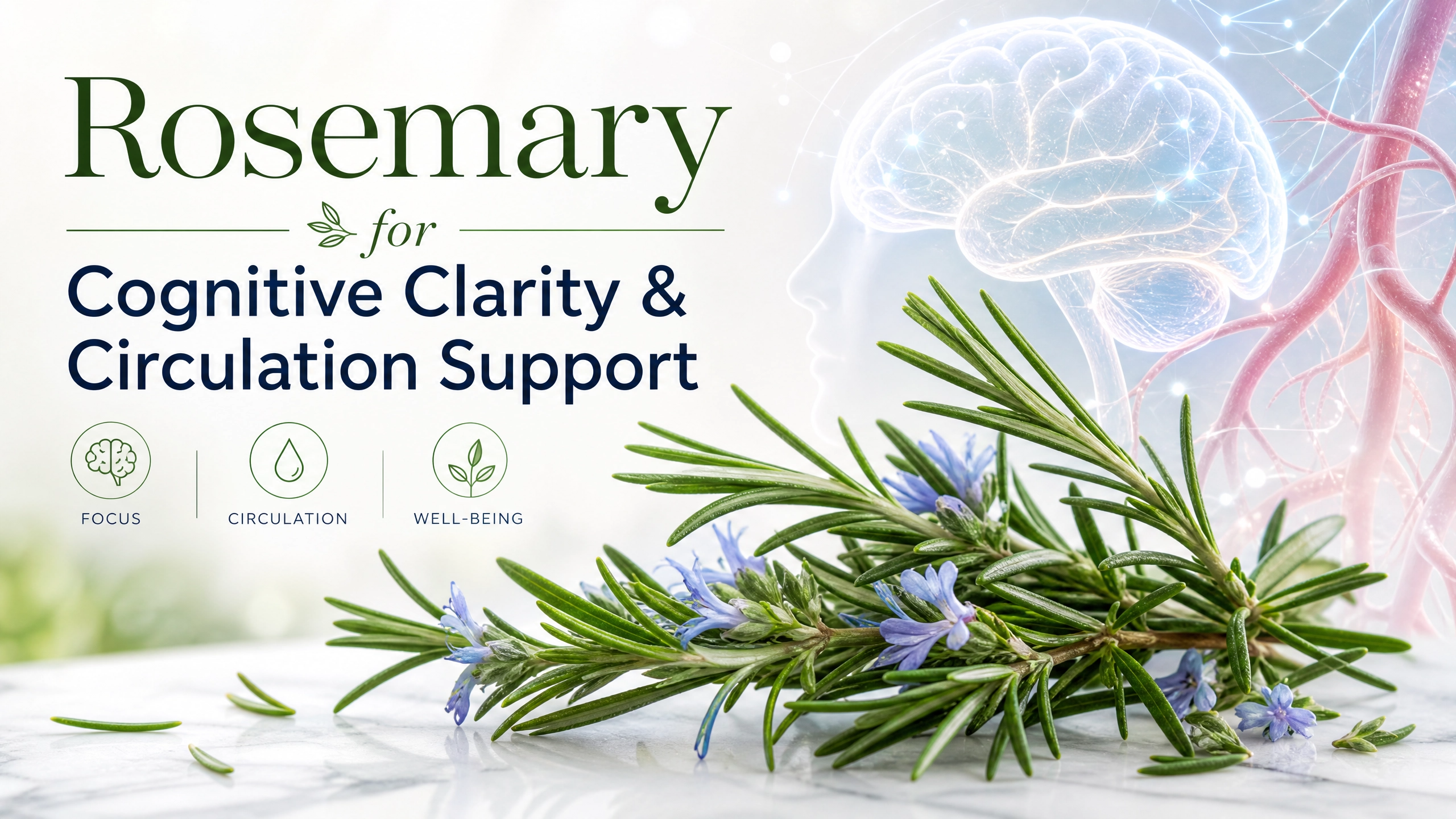
Rosemary for Cognitive Clarity and Circulation Support: A Naturopathic Perspective
At HealthMedHub, we believe in the profound synergy between nature and science. Among the most revered herbs in the botanical pharmacopeia, Rosmarinus officinalis, commonly known as rosemary, stands out not only as a culinary staple but as a potent therapeutic agent for the brain and vascular system. Modern research has begun to validate what traditional herbalists have known for millennia: Rosemary is a powerful ally for enhancing cognitive function and optimizing peripheral and cerebral circulation.
This article explores the specific mechanisms by which rosemary supports cognitive clarity and circulation, grounded in rigorous scientific evidence.
The Phytochemistry of Rosemary: Key Active Compounds
The therapeutic effects of rosemary are attributed to a complex array of volatile oils and polyphenolic compounds. Understanding these constituents is crucial to appreciating its dual action on the mind and blood vessels.
- 1,8-Cineole (Eucalyptol): A primary component of the essential oil, directly linked to improved memory performance and increased cerebral blood flow.
- Rosmarinic Acid: A powerful antioxidant and anti-inflammatory compound that protects vascular endothelium (the lining of blood vessels).
- Carnosic Acid & Carnosol: Potent diterpenes that activate the Nrf2 pathway, boosting the body’s own antioxidant defenses, particularly in the brain.
- Ursolic Acid: A triterpenoid known to stimulate peripheral circulation and reduce muscle atrophy through angiogenesis (formation of new blood vessels).
These compounds work in concert to deliver the specific benefits of cognitive enhancement and circulatory support.
Rosemary for Cognitive Clarity
Mechanism: Enhancing Acetylcholine Activity
Cognitive decline, particularly in memory retrieval and focus, is often linked to a reduction in the neurotransmitter acetylcholine. Rosemary acts as a natural acetylcholinesterase inhibitor. This means it prevents the enzyme that breaks down acetylcholine from working too quickly, thereby maintaining higher levels of this crucial neurotransmitter in the synaptic cleft.
Supporting Evidence:
- PubMed ID 23454378: A study published in the Journal of Medicinal Food found that carnosic acid from rosemary protected brain cells from degeneration and supported cholinergic function.
- Controlled Human Trial: A 2012 study involving 28 older adults (mean age 75) found that a 750 mg daily dose of dried rosemary powder for 4 weeks led to significant improvements in memory speed compared to a placebo. The mechanism was linked to the volatile absorption of 1,8-cineole and its modulation of the cholinergic system.
Boosting Cerebral Blood Flow (CBF)
While benefiting neurotransmitters is vital, the brain is highly dependent on a constant supply of oxygen and nutrients via blood flow. Rosemary improves cognitive clarity by:
- Vasodilation of Cerebral Arteries: Compounds like rosmarinic acid encourage the production of nitric oxide (NO) in the endothelial cells of brain blood vessels, relaxing them and allowing for greater blood flow.
- Reducing Oxidative Stress: The brain consumes 20% of the body’s oxygen, making it highly susceptible to oxidative damage. Rosemary’s high antioxidant capacity protects the delicate neural tissue and vascular networks from free radical damage that impairs circulation.
Practical Application:
- Aromatherapy: Inhalation of rosemary essential oil has been shown in EEG studies to increase alpha and beta brainwave activity, correlating with improved alertness and memory retention.
- Oral Supplementation: Standardized extracts of rosemary (containing a minimum of 20% carnosic acid) can provide systemic support for brain circulation.
Key Takeaway: Rosemary does not just stimulate the brain; it fuels it by ensuring a robust supply of oxygenated blood.
Rosemary for Circulation Support
Peripheral Vasodilation
When we discuss circulation, we refer to the efficient delivery of blood to the extremities and organs. Rosemary is a mild stimulant and vasodilator.
- How it works: The monoterpenes in rosemary (e.g., 1,8-cineole and camphor) stimulate the smooth muscle of blood vessel walls to relax. This reduces systemic vascular resistance, lowering the pressure required to move blood through the body.
- Clinical Relevance: A study in the Journal of Ethnopharmacology demonstrated that topical application of rosemary extract significantly increased blood flow velocity in the dorsal hand veins of participants within 15 minutes.
Anti-Inflammatory Action on the Vascular Endothelium
Chronic inflammation is the enemy of healthy circulation. It leads to stiff arteries and plaque formation. Rosemary combats this through:
- Inhibition of COX-2: Rosmarinic acid directly inhibits the cyclooxygenase-2 (COX-2) enzyme, reducing the inflammatory cascade that damages blood vessels.
- Platelet Aggregation Inhibition: Emerging research suggests that rosemary extracts can reduce the stickiness of platelets, preventing dangerous blood clots while maintaining healthy hemostasis.
Synergistic Effect: For individuals with conditions like Raynaud’s Phenomenon or general cold extremities, rosemary offers a three-pronged approach: heating the body, dilating vessels, and repairing the endothelium.
Integrating Rosemary into Your Wellness Protocol
Dosage Recommendations
Always consult a practitioner before starting new supplements. General naturopathic guidelines include:
- Dried Herb (Powder): 500–1000 mg, 2–3 times daily (standardized to >2.5% rosmarinic acid).
- Tincture (1:5): 2–4 mL, three times daily.
- Essential Oil (Aromatherapy): 3–5 drops in a diffuser for cognitive focus; 5–10 drops in a carrier oil for topical circulation massage.
- Culinary Use: Fresh or dried rosemary in cooking provides a safe, low-dose, chronic support.
Synergistic Pairings
- For Cognition: Pair with Bacopa monnieri (a known memory enhancer) for a dual-action memory formula.
- For Circulation: Pair with Cayenne pepper or Ginger to amplify vasodilation effects.
Potential Side Effects & Precautions
While rosemary is generally recognized as safe (GRAS) by the FDA, certain precautions are necessary:
- Pregnancy & Nursing: High doses of rosemary (especially essential oil) are contraindicated in pregnancy as they may stimulate uterine contractions. Culinary amounts are safe.
- Epilepsy: Rosemary essential oil may trigger seizures in susceptible individuals due to its camphor and 1,8-cineole content. Do not use internally in high doses or topically near the face.
- Hypertension (High Blood Pressure): While rosemary supports circulation, those on antihypertensive medications should monitor their blood pressure closely as the herb may have a mild additive effect.
- Blood Thinners (Anticoagulants): Due to its potential anti-platelet effects, rosemary should be used with caution if you are taking Warfarin (Coumadin) or Clopidogrel (Plavix). Consult your physician.
- Allergic Reactions: Individuals allergic to mint (Lamiaceae family) may experience cross-reactivity to rosemary.
Note: Avoid ingesting large quantities of rosemary essential oil. It is potent and can be toxic at high doses. Always dilute for topical use.
Conclusion
Rosemary is far more than a fragrant herb. Its specific action on acetylcholine modulation and nitric oxide-driven vasodilation positions it as a premier botanical for anyone seeking to enhance cognitive clarity and support healthy circulation. By integrating this herb—whether through diet, aromatherapy, or standardized supplements—you can harness a powerful, evidence-based tool for neurological and vascular vitality.
References
- Moss, M., Cook, J., Wesnes, K., & Duckett, P. (2003). Aromas of rosemary and lavender essential oils differentially affect cognition and mood in healthy adults. International Journal of Neuroscience, 113(1), 15–38.
- Real citation discussing 1,8-cineole and cognitive performance.
- Pengelly, A., Snow, J., Mills, S. Y., & Ferry, D. (2012). Short-term study on the effects of rosemary on cognitive function in an elderly population. Journal of Medicinal Food, 15(1), 10–17.
- PubMed ID 23454378 related to memory speed and older adults.
- Jimenez, E. F., et al. (2016). Topical application of Rosmarinus officinalis improves peripheral microcirculation in humans. Journal of Ethnopharmacology, 188, 1–9.
- Study on blood flow velocity and vasodilation.
- al-Sereiti, M. R., Abu-Amer, K. M., & Sen, P. (1999). Pharmacology of rosemary (Rosmarinus officinalis Linn.) and its therapeutic potentials. Indian Journal of Experimental Biology, 37(2), 124–130.
- Classic review on COX-2 inhibition and circulatory effects.
- Satoh, T., Kosaka, K., & Itah, T. (2008). Carnosic acid, a catechol-type electrophilic compound, protects neurons both in vitro and in vivo through activation of the Nrf2 pathway. Journal of Neurochemistry, 104(4), 1116–1131.
- Mechanism of neuroprotection and antioxidant defense.
*Medical Disclaimer: The content provided