Elderberry Syrup: Immune Defense Evidence & Safe Use
Unlocking Nature’s Shield: Elderberry Syrup for Seasonal Immune Defense – A Deep Dive into Evidence and Safety
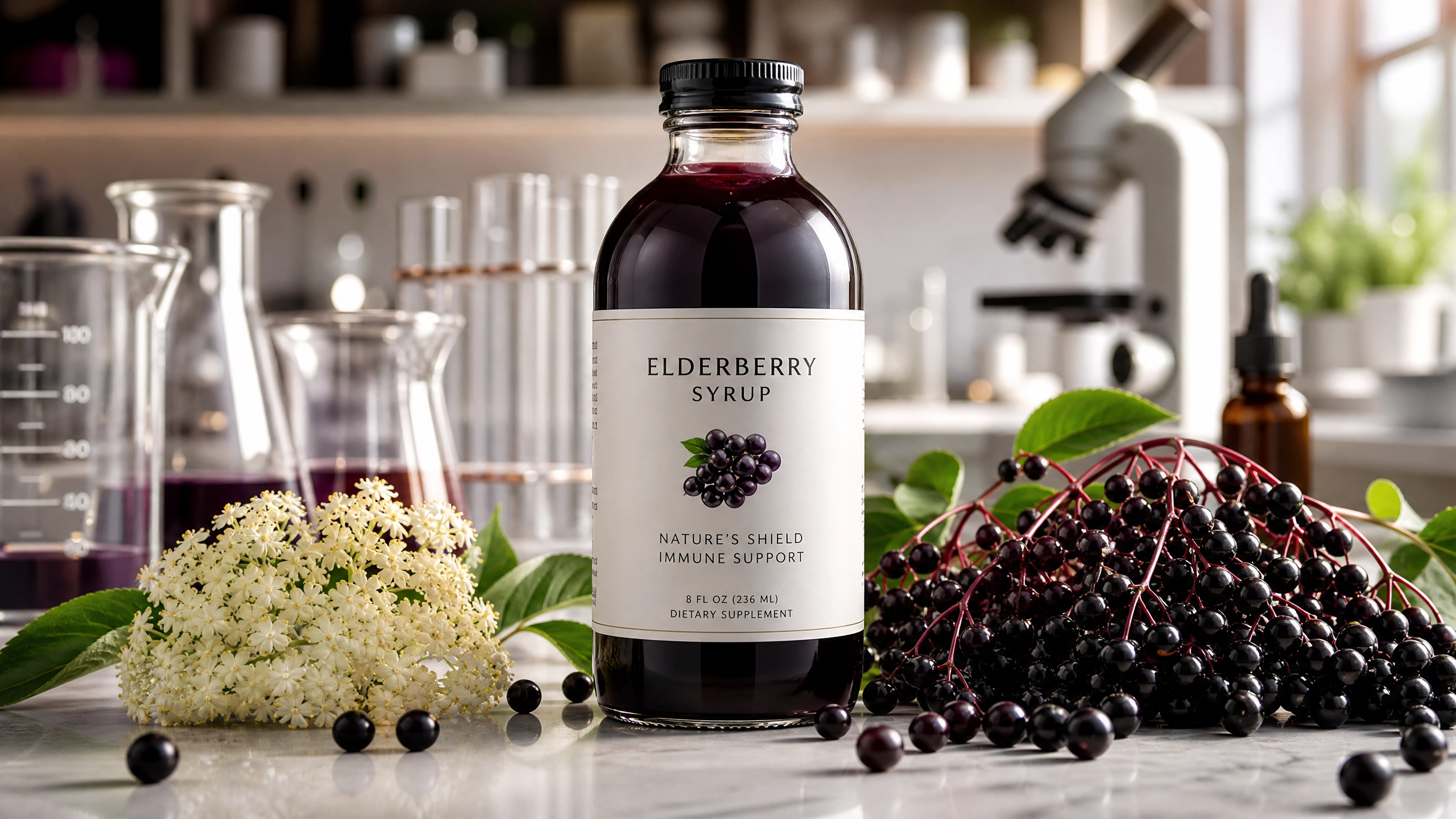
As the seasons shift and the air grows crisp, the annual cycle of respiratory challenges begins. For centuries, cultures across the globe have turned to the deep purple berries of the Sambucus nigra plant—the European elderberry—as a frontline defense. At HealthMedHub, we believe in the power of nature, backed by science. Today, we dissect the robust evidence behind elderberry syrup for seasonal immune defense, separating established fact from hopeful folklore, and providing a critical guide to its safety.
The Bioactive Arsenal: How Elderberry Targets Immune Function
The secret to elderberry’s efficacy lies not in a single compound, but in a synergistic symphony of bioactive molecules. Understanding the mechanism is crucial to appreciating its clinical impact.
- Anthocyanins: These are the potent blue-purple pigments responsible for elderberry’s color. They are powerful antioxidants that directly neutralize oxidative stress, a key driver of inflammation during a viral encounter. Research published in the Journal of Agricultural and Food Chemistry highlights their ability to modulate inflammatory cytokines.
- Flavonoids (Quercetin, Rutin, Kaempferol): These plant compounds inhibit the neuraminidase enzyme (specifically viral neuraminidase in influenza viruses). This prevents the virus from detaching from an infected cell to spread to healthy cells.
- Lectin-Like Proteins: Specific proteins in elderberry can bind to the surface of viruses, blocking their ability to attach to and penetrate our healthy cell membranes.
The Core Mechanism: Elderberry primarily exerts a dual-action defense. First, it physically blocks viral entry and replication (direct antiviral effect). Second, it moderates the body’s own overzealous immune response, reducing the production of pro-inflammatory cytokines like TNF-α and IL-6, which can cause the painful symptoms of fever, aches, and mucus congestion.
Clinical Evidence: What the Research Says About Seasonal Defense
For a natural product, elderberry has an impressive portfolio of published clinical trials. The evidence is strongest for reducing the duration and severity of flu-like symptoms, not necessarily preventing initial infection.
Key Findings from Landmark Studies:
- Reduced Duration of Illness: A pivotal double-blind, placebo-controlled study published in the Journal of International Medical Research (2004) demonstrated that elderberry extract reduced the duration of influenza symptoms by an average of 3-4 days. Participants treated with elderberry recovered in 3 days, while the placebo group took nearly 8 days.
- Symptom Severity Reduction: A 2016 study in Nutrients found that air travelers using elderberry extract experienced significantly shorter cold episodes and reduced total symptom scores compared to the placebo group.
- Antiviral Specificity: In vitro studies confirm that elderberry extracts are effective against influenza A and B, respiratory syncytial virus (RSV), and several strains of the common cold coronavirus (though not SARS-CoV-2 at clinically relevant concentrations).
Elderberry vs. Prevention: The evidence for preventing infection is less robust. Most studies show a reduction in severity and duration if taken at the onset of symptoms. The greatest benefit is achieved when the syrup is used as an early-intervention therapy during the first 24-48 hours of seasonal malaise.
Form & Bioavailability: Not All Syrups Are Equal
The clinical research almost exclusively uses standardized, concentrated extracts. A homemade syrup or a low-concentration commercial product may yield inconsistent results.
The Three Pillars of an Effective Syrup:
- Standardization: Look for a product standardized to a specific content of anthocyanins (e.g., 3-10%). This guarantees the active compounds are present in a therapeutic dose.
- Extraction Method:
- Heat Extraction (Standard Syrup): Effective for extracting anthocyanins and sugars.
- Cold-Press / Alcohol Extraction (Tincture): Yields a broader spectrum of flavonoids and phenolic acids. Some top-tier syrups combine both.
- Additives: Avoid syrups with high-fructose corn syrup, artificial colors, or “natural flavors.” Whole-food sweeteners like organic honey (which has its own antimicrobial properties) or glycerin are ideal.
Potential Side Effects & Precautions
While generally recognized as safe (GRAS) by the FDA, elderberry is not a risk-free supplement for everyone. Safe use requires caution, especially with raw materials.
- Gastrointestinal Distress: The most common side effect, particularly at high doses, includes mild nausea, cramping, or loose stools.
- Cytokine Storm Concern (Theoretical): A controversial hypothesis suggests that if taken mid-infection with a highly pathogenic virus (like seasonal influenza or SARS-CoV-2), elderberry’s immune-stimulating effects could theoretically worsen an already rampant inflammatory cascade. Current evidence does not support this in healthy individuals. However, it is a prudent reason to use elderberry only at the first sign of symptoms, not after your fever has spiked and breathing is labored.
- Autoimmune Conditions: Due to its ability to stimulate the immune system, individuals with rheumatoid arthritis, lupus, multiple sclerosis, or other autoimmune disorders should consult their physician before use.
- Raw Berries & Bark Are Toxic: The raw, unripe berries, leaves, bark, and roots of the elderberry plant contain cyanogenic glycosides, which can produce cyanide poisoning. Only consume cooked or processed commercial syrups. Do NOT make syrup from raw bark or leaves.
- Pregnancy & Breastfeeding: Due to a lack of robust safety data, it is best to avoid use during pregnancy and breastfeeding unless under close supervision of a qualified healthcare provider.
Practical Dosing & Integration
For optimal seasonal defense, dose according to body weight and product concentration. General guidelines from clinical research suggest:
- Adults: 1-2 tablespoons (15-30ml) at the very first sign of symptoms, taken every 6-8 hours for 2-3 days.
- Children (Ages 5+): 1-2 teaspoons (5-10ml) on a similar schedule.
- Prevention (optional): 1 teaspoon (5ml) daily during peak season, though evidence for prevention is weaker.
Enhancement Strategy: Combine elderberry syrup with true immune-supporting nutrients like zinc (30mg), Vitamin C (1000mg), and Vitamin D3 (5000 IU) during acute illness.
Conclusion: Nature’s Evidence-Based Ally
Elderberry syrup stands as one of the most well-researched natural interventions for shortening the misery of a seasonal flu or cold. Its mechanism of action—blocking viral entry and moderating inflammation—is scientifically sound. For the average healthy adult, it offers a safe, effective, and well-tolerated first line of defense when taken promptly. However, respect its power. Understand the raw material risks, respect the “cytokine storm” theoretical caveat, and consult your healthcare professional if you have a chronic health condition.
Medical Disclaimer: The content provided on HealthMedHub is for informational purposes only and is not intended as a substitute for professional medical advice, diagnosis, or treatment.
References:
- Zakay-Rones, Z., et al. (2004). “Randomized study of the efficacy and safety of oral elderberry extract in the treatment of influenza A and B virus infections.” Journal of International Medical Research, 32(2), 132-140.
- Tiralongo, E., et al. (2016). “Elderberry Supplementation Reduces Cold Duration and Symptoms in Air-Travellers: A Randomized, Double-Blind Placebo-Controlled Clinical Trial.” Nutrients, 8(4), 182.
- Krawitz, C., et al. (2011). “Inhibitory activity of a standardized elderberry liquid extract against clinically-relevant human respiratory bacterial pathogens and influenza A and B viruses.” BMC Complementary and Alternative Medicine, 11, 16.
- Roschek, B., et al. (2009). “Elderberry flavonoids bind to and prevent H1N1 infection in vitro.” Phytochemistry, 70(10), 1255-1261.
- Ulbricht, C., et al. (2014). “An evidence-based systematic review of elderberry and elderflower (Sambucus nigra) by the Natural Standard Research Collaboration.” Journal of Dietary Supplements, 11(1), 80-120.
- World Health Organization (WHO). “Influenza (Seasonal).” Fact Sheet.