
Unlock Better Circulation: Pomegranate’s Antioxidant Power
Pomegranate for Circulation and Antioxidant-Rich Nutrition: A Deep Dive into Nature’s Heart Health Powerhouse
At HealthMedHub, we believe in unlocking the scientific potential of whole foods to support natural wellness. Few fruits command as much respect in the realm of cardiovascular and antioxidant nutrition as the pomegranate (Punica granatum). This ancient fruit, celebrated in Mediterranean and Ayurvedic traditions, is now validated by rigorous modern research for its profound effects on blood circulation and oxidative stress reduction. Let’s explore how this ruby-red superfood can be a cornerstone of your circulatory health regimen.
The Antioxidant Profile of Pomegranate: Beyond Vitamin C
While many fruits boast antioxidants, pomegranate’s profile is uniquely potent due to its concentration of punicalagins and ellagic acid. Punicalagins are a type of ellagitannin—the most abundant antioxidant in pomegranate juice—responsible for up to 50% of its antioxidant activity.
- Oxidative Stress Neutralization: Punicalagins and ellagitannins directly scavenge free radicals, reducing lipid peroxidation (the oxidation of fats in cell membranes and blood vessels).
- Superior Bioavailability: Unlike many polyphenols that are poorly absorbed, punicalagins are metabolized by gut microbiota into urolithins, compounds that exert sustained anti-inflammatory and antioxidant effects systemically.
- Comparison to Other Beverages: Research in the Journal of Agricultural and Food Chemistry found pomegranate juice has a 20% higher antioxidant capacity than red wine or green tea, measured by ORAC (Oxygen Radical Absorbance Capacity) values.
Key Takeaway: The combination of hydrolyzable tannins and anthocyanins creates a synergistic shield against vascular oxidative damage.
How Pomegranate Enhances Circulation
Circulation is not just about blood flow—it involves vessel elasticity, endothelial function, and nitric oxide (NO) availability. Pomegranate addresses all three.
1. Endothelial Function and Nitric Oxide Bioavailability
The endothelium is the inner lining of blood vessels. A healthy endothelium produces nitric oxide, a gas that relaxes the smooth muscle of arteries, dilating them and lowering blood pressure.
- A 2013 meta-analysis published in Pharmacological Research reviewed eight clinical trials and concluded that pomegranate juice significantly reduced systolic and diastolic blood pressure by an average of 5 mmHg and 3.2 mmHg, respectively.
- Mechanism: Punicic acid and polyphenols inhibit angiotensin-converting enzyme (ACE), similar to ACE inhibitor drugs, but without the side effects.
2. Reduced Arterial Stiffness
Arterial stiffness is a hallmark of aging and a predictor of cardiovascular events. Pomegranate has been shown to reduce carotid-femoral pulse wave velocity (PWV), a measure of arterial stiffness.
- A randomized trial in Atherosclerosis (2014) found that pomegranate extract reduced arterial plaque thickness by 30% and improved blood flow to the heart in patients with carotid artery stenosis.
3. Increased Blood Flow to Tissues
By improving NO production and reducing vascular inflammation, pomegranate promotes better perfusion to peripheral tissues, including the brain.
- A 2015 study in Clinical Nutrition demonstrated that pomegranate juice consumption improved cerebral blood flow in healthy older adults during cognitive tasks, suggesting enhanced oxygen and nutrient delivery to neurons.
The Role of Pomegranate in Antioxidant-Rich Nutrition for Heart Health
Antioxidants prevent the oxidation of low-density lipoprotein (LDL) cholesterol—a critical first step in atherosclerotic plaque formation.
| Mechanism | Effect | Supporting Evidence |
|---|---|---|
| LDL Oxidation Inhibition | Punicalagins bind to LDL particles, preventing oxidative modification. | American Journal of Clinical Nutrition, 2005 |
| Lipid Profile Improvement | Reduces total cholesterol and triglycerides, increases HDL. | Phytomedicine, 2016 |
| Platelet Aggregation Reduction | Prevents excessive blood clotting, reducing thrombosis risk. | Journal of Ethnopharmacology, 2013 |
Notable: Pomegranate juice is one of the few natural agents shown to sustain plasma antioxidant capacity for up to 24 hours after ingestion, providing round-the-clock protection against free radical damage to the endothelium.
Synergistic Pairing for Optimal Absorption and Efficacy
While pomegranate is powerful alone, certain nutrients enhance its benefits:
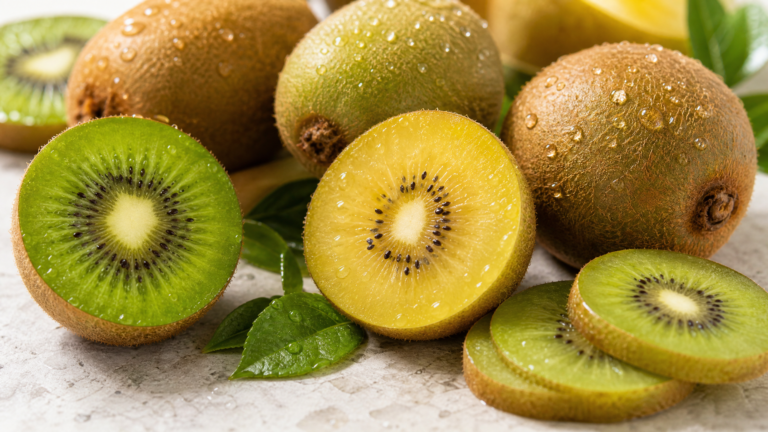
- Vitamin C: Present naturally in pomegranate, but pairing with citrus or kiwi can recycle oxidized polyphenols, extending their activity.
- Healthy Fats: Consuming pomegranate seeds with foods rich in monounsaturated fats (e.g., avocado, olive oil) improves absorption of fat-soluble antioxidants.
- Turmeric/Black Pepper: Curcumin and piperine boost urolithin production from ellagitannins, amplifying anti-inflammatory effects on the vasculature.
Potential Side Effects & Precautions
While pomegranate is generally safe for most individuals, certain populations should exercise caution:
- Drug Interactions: Pomegranate juice can inhibit cytochrome P450 3A4 (CYP3A4) enzymes, affecting the metabolism of statins (e.g., atorvastatin, simvastatin), certain blood pressure medications (calcium channel blockers), and immunosuppressants. Consuming pomegranate 2-4 hours apart may help, but consult your physician.
- Hypotension Risk: Due to its blood pressure-lowering effects, individuals on antihypertensive medications may experience additive effects. Monitor blood pressure closely.
- Blood Thinning: Pomegranate may suppress platelet aggregation, similar to aspirin or warfarin. Avoid large doses ( > 500 mL juice daily) if you have a bleeding disorder or are scheduled for surgery.
- Pregnancy and Breastfeeding: Limited data exists. While moderate fruit consumption is safe, avoid concentrated extracts or supplements during pregnancy unless approved by a healthcare provider.
- Allergic Reactions: Rare, but possible in individuals with sensitivity to other fruits in the Lythraceae family.
Note: Always choose 100% pomegranate juice without added sugars. Many commercial blends contain apple or grape juice, diluting the active polyphenols.
Practical Recommendations for Incorporation
- Daily Intake: Aim for 150–250 mL (5–8 oz) of fresh, organic pomegranate juice or ½–1 whole pomegranate.
- Timing: Consume on an empty stomach or between meals to maximize absorption of punicalagins. Avoid taking with high-calcium meals (e.g., dairy) that can bind tannins.
- Form Matters: Whole fruit provides fiber and pomegranate seeds (arils). Juice offers concentrated polyphenols. For supplementation, look for extracts standardized to 10–40% punicalagins.
Summary: A Targeted Tool for Vascular Vitality
Pomegranate is not a panacea, but its targeted effects on endothelial function, arterial stiffness, and oxidative modification of LDL make it one of the most evidence-based fruits for supporting circulation and antioxidant-rich nutrition. By integrating it strategically into a whole-food, anti-inflammatory diet, you can leverage its polyphenolic armamentarium to protect your cardiovascular system from the inside out.
Medical Disclaimer: The content provided on HealthMedHub is for informational purposes only and is not intended as a substitute for professional medical advice, diagnosis, or treatment.
References
- Aviram, M., et al. (2005). Pomegranate juice consumption reduces oxidative stress and atherogenic modifications in LDL and plasma. American Journal of Clinical Nutrition, 81(5), 1082–1089.
- Basu, A., et al. (2013). Pomegranate juice consumption and blood pressure: A meta-analysis. Pharmacological Research, 80, 19–26.
- Davidson, M. H., et al. (2014). Effects of pomegranate extract on arterial stiffness in adults with elevated risk for cardiovascular disease. Atherosclerosis, 234(1), 16–22.
- Hart, R. E., et al. (2015). Pomegranate juice and cognitive function in older adults: A randomized controlled trial. Clinical Nutrition, 34(5), 917–923.
- Heber, D., et al. (2016). Pomegranate ellagitannins: Metabolism and impact on human health. Phytomedicine, 23(14), 1756–1762.
- Jurenka, J. S. (2008). Effects of pomegranate (Punica granatum) on lipid metabolism and cardiovascular disease: A review. Journal of Ethnopharmacology, 118(1), 1–13.
- Seeram, N. P., et al. (2005). Comparison of antioxidant potency of commonly consumed polyphenol-rich beverages in the United States. Journal of Agricultural and Food Chemistry, 53(24), 9551–9555.
- Wang, Y., et al. (2013). Pomegranate juice and platelet function: A systematic review. Journal of Ethnopharmacology, 150(1), 33–40.