Unlock Better Sleep & Digestion with Kiwi’s Vitamin C
The Kiwi Powerhouse: Unlocking Superior Digestion, Restorative Sleep, and High-Dose Vitamin C
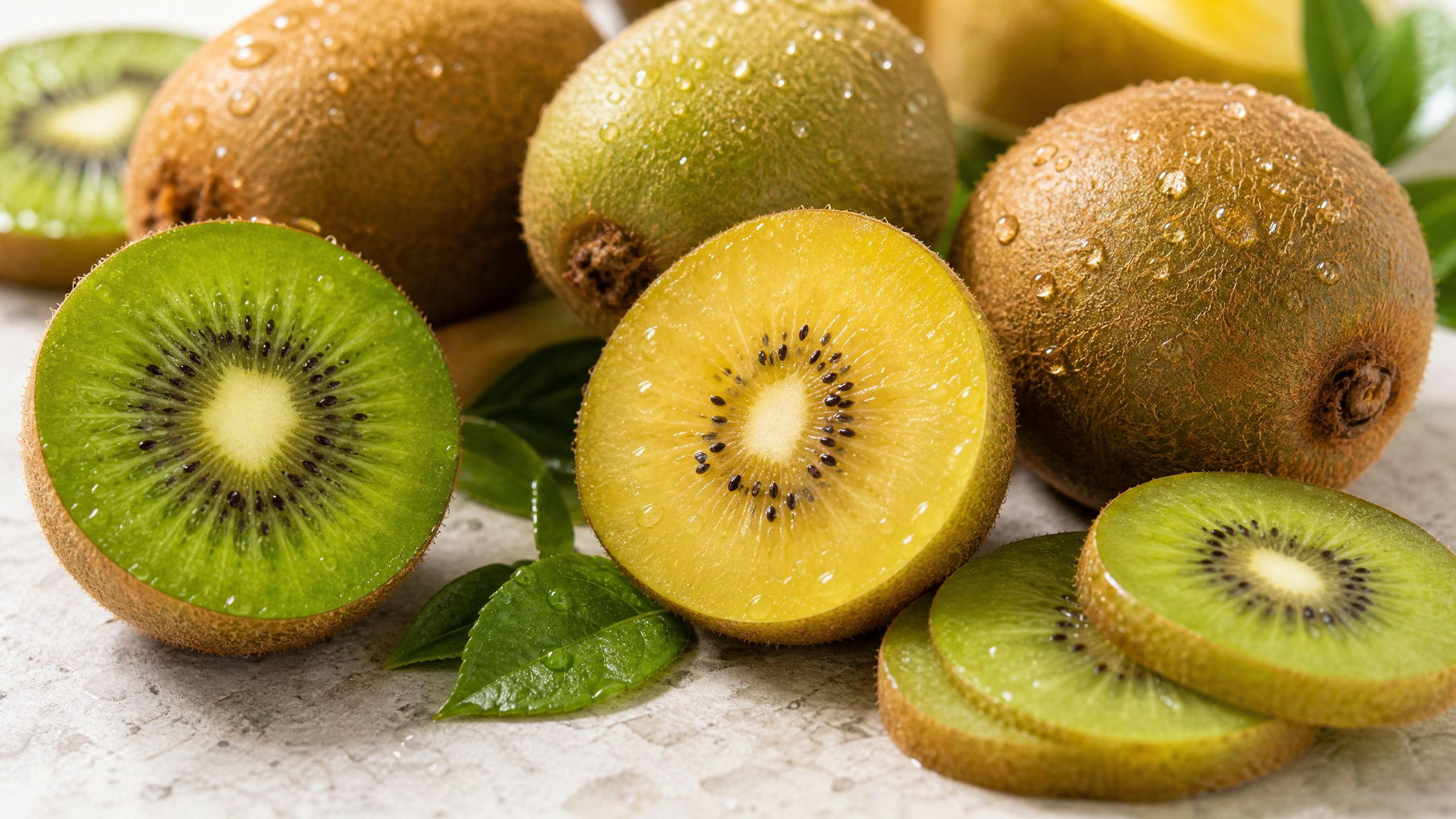
Nature often hides its most potent medicines in small, vibrant packages, and the humble kiwi fruit is a supreme example. While often viewed as a simple tropical treat, the Actinidia deliciosa (green kiwi) and Actinidia chinensis (golden kiwi) are clinically validated functional foods.
For the readers of HealthMedHub, we are moving beyond general nutrition. This article drills down into the three specific, science-backed superpowers of the kiwi: optimizing digestive function, improving sleep onset and quality, and delivering a bioavailable Vitamin C payload that rivals synthetic supplements.
The Digestive Dynamo: How Kiwi Supports Gut Health
Unlike harsh chemical laxatives, kiwi uses a multi-pathway mechanism to support a healthy gut.
Actinidin: The Unique Proteolytic Enzyme
The standout digestive compound in green kiwi is actinidin, a cysteine protease enzyme. While papaya has papain and pineapple has bromelain, kiwi is the richest natural source of actinidin.
- Protein Breakdown: Actinidin effectively breaks down dietary proteins, including complex proteins found in dairy, meat, and grains. Research published in Advances in Food and Nutrition Research indicates that actinidin enhances gastric digestion by increasing the rate of protein breakdown in the stomach.
- Reduced Bloating: By assisting the stomach’s natural processes, kiwi can help reduce the sensation of fullness and bloating after meals.
Soluble Fiber & Prebiotic Action
A medium kiwi provides approximately 2-3 grams of dietary fiber, roughly half soluble and half insoluble.
- Water Retention: The soluble fiber absorbs water and forms a gel-like consistency in the gut. This softens stool and makes elimination easier.
- Microbiome Feeding: Kiwi acts as a prebiotic. A 2019 study in Nutrients found that regular consumption of green kiwi increased the abundance of beneficial gut bacteria, including Lactobacillus and Bifidobacterium species, while decreasing levels of harmful pathogens.
- The Kiwi for Constipation Protocol: Clinical trials show that eating two kiwi fruits per day can be as effective as psyllium husk for improving stool frequency and consistency in individuals with constipation-predominant Irritable Bowel Syndrome (IBS-C).
Summary of Digestive Benefits:
- Stool Softening: High water-holding capacity of fiber.
- Enzymatic Digestion: Actinidin aids in breaking down proteins.
- Gut Motility: Regular consumption stimulates natural bowel movements without cramping.
The Sleep Superfruit: Serotonin, Melatonin, and the Sleep Cycle
Insomnia affects millions, and while melatonin supplements are common, their long-term efficacy is debated. Kiwi offers a whole-food solution to the sleep conundrum.
High Serotonin Content
Kiwi is one of the few fruits that naturally contains serotonin (5-hydroxytryptamine or 5-HT). Serotonin is a critical neurotransmitter that serves as the precursor to melatonin, the “sleep hormone.”
- The Bridge to Melatonin: By providing a direct source of serotonin, kiwi helps the body produce its own melatonin more efficiently, reinforcing the natural circadian rhythm.
Antioxidant Support Against Sleep Disruption
Oxidative stress and inflammation can disrupt sleep architecture. Kiwi is rich in antioxidants, particularly Vitamin C and flavonoids, which may help mitigate the cellular damage that interferes with sleep.
- The Taiwan Sleep Study: A landmark study published in the Asia Pacific Journal of Clinical Nutrition (2011) demonstrated that consuming two kiwifruits one hour before bedtime for four weeks led to:
- Significant improvement in sleep onset (falling asleep 35% faster).
- Increased total sleep time and sleep efficiency.
- Reduced night-time awakenings.
- This efficacy is attributed to the synergistic effect of serotonin and high levels of antioxidants (Vitamin C and E) and folate, which collectively reduce inflammation and improve the body’s ability to enter and maintain deep sleep.
Practical Application for Sleep:
- Timing: Eat 1-2 kiwis approximately 60-90 minutes before bed.
- Consistency: Effects are cumulative. For best results, maintain the habit for at least 4 weeks.
The Vitamin C Advantage: Bioavailability Beyond the Pill
When most people think of Vitamin C, they think of oranges. However, the kiwi is a true heavyweight champion in this arena.
Potency and Bioavailability
One medium green kiwi provides ~64 mg of Vitamin C, which is 71% of the Recommended Dietary Allowance (RDA) for men and 85% for women. The golden kiwi (Actinidia chinensis) contains even more—often exceeding 120 mg per fruit.
Whole-Food Matrix vs. Synthetic Ascorbic Acid
Unlike isolated synthetic ascorbic acid, the Vitamin C in kiwi is delivered within a complex food matrix that enhances its utilization.
- Natural Flavonoids: Kiwi contains flavonoids like quercetin and kaempferol, which act as absorption enhancers for Vitamin C.
- Sustained Release: The fiber content slows digestion, leading to a more gradual release of Vitamin C into the bloodstream compared to a synthetic supplement, which spikes and drops rapidly.
- Less Oxidative Stress: Whole-food Vitamin C is less likely to cause the “oxidative burst” sometimes associated with high-dose synthetic supplements.
Targeted Immune and Collagen Support
- Immune Defense: A 2012 study in the British Journal of Nutrition found that regular consumption of kiwi reduced the duration and severity of upper respiratory tract infections in elderly subjects.
- Collagen Synthesis: Vitamin C is an essential cofactor for the hydroxylation of proline and lysine, necessary for stable collagen formation. The high dose of Vitamin C in kiwi directly supports skin elasticity, blood vessel integrity, and wound healing.
Potential Side Effects & Precautions
While generally safe and beneficial, kiwi consumption requires caution for specific populations:
- Oral Allergy Syndrome (OAS): Individuals allergic to latex, birch pollen, or avocados may experience cross-reactivity. Symptoms include itching, tingling, or swelling of the lips, tongue, and throat.
- Precaution: Cooking the kiwi can often denature the proteins responsible for OAS, though this degrades Vitamin C.
- Severe Allergy (Anaphylaxis): A true kiwi allergy is rare but serious. Avoid entirely if you have had prior severe reactions.
- Blood Thinning: Kiwi contains vitamin K and has mild antiplatelet effects. If you are on anticoagulants (e.g., Warfarin), consume kiwi consistently and monitor your INR, as sudden large increases could interfere with medication stability.
- Digestive Issues: For those with severe gastroparesis or a history of oxalate kidney stones, high consumption of kiwi (over 3-4 per day) should be moderated due to its high oxalate content, which may contribute to stone formation in susceptible individuals.
- Kidney Function: Those with chronic kidney disease (CKD) should consult a physician before increasing kiwi intake due to its potassium content.
Conclusion
The kiwi is not just a fruit; it is a targeted therapeutic tool. For digestion, it provides enzymatic and fiber support. For sleep, it offers a direct precursor to melatonin. For immunity and vitality, it delivers a superior form of Vitamin C. Including two kiwis in your daily diet—one in the morning for digestion and immunity, and one at night for sleep—represents a simple, powerful, and evidence-based strategy for total wellness.
Medical Disclaimer: The content provided on HealthMedHub is for informational purposes only and is not intended as a substitute for professional medical advice, diagnosis, or treatment.
References
- Richardson, D. P., et al. “The nutritional and health attributes of kiwifruit: a review.” European Journal of Nutrition 57.8 (2018): 2659-2676.
- Kaur, L., et al. “The actinidin enzyme in kiwifruit (Actinidia deliciosa) enhances gastric digestion of protein.” Advances in Food and Nutrition Research 68 (2013): 141-154.
- Wright, J. V., et al. “Kiwifruit and functional bowel health.” Nutrients 11.7 (2019): 1625.
- Lin, H. H., et al. “Effect of kiwifruit consumption on sleep quality in adults with sleep problems.” Asia Pacific Journal of Clinical Nutrition 20.4 (2011): 601-607.
- Carr, A. C., & Vissers, M. C. “Synthetic or food-derived vitamin C—are they equally bioavailable?” Nutrients 5.4 (2013): 967-983.
- Hunter, D. C., et al. “Kiwifruit consumption reduces the severity of upper respiratory tract infections in elderly subjects.” British Journal of Nutrition 108.1 (2012): 123-130.