Unlock Gut Health: Fermented Veggies & Natural Probiotics
Fermented Vegetables for Gut Health and Natural Probiotics
The human gut microbiome—a complex ecosystem of trillions of bacteria, viruses, and fungi—plays a pivotal role in digestion, immune function, and even mental health. While probiotic supplements have surged in popularity, a growing body of evidence highlights the unique advantages of fermented vegetables as a natural, whole-food source of beneficial microbes. Unlike many commercial probiotics, fermented vegetables deliver a diverse array of live microorganisms alongside prebiotic fibers, enzymes, and bioactive compounds that synergistically support gut health.
This article explores the science behind fermented vegetables, their probiotic content, specific health benefits, and important safety considerations.
H2: The Science of Fermentation and Gut Health
Fermentation is an ancient practice that relies on beneficial bacteria (primarily lactic acid bacteria, or LAB) to convert sugars and carbohydrates into organic acids, carbon dioxide, and sometimes alcohol. This process not only preserves vegetables but also transforms their nutritional profile.
Key mechanisms linking fermented vegetables to gut health include:
- Introduction of live probiotics: LAB species such as Lactobacillus plantarum, Lactobacillus brevis, and Pediococcus pentosaceus are naturally present in many fermented vegetables (Rezac et al., 2018).
- Increased bioavailability of nutrients: Fermentation breaks down anti-nutrients like phytic acid, enhancing absorption of minerals such as iron, zinc, and calcium.
- Production of short-chain fatty acids (SCFAs): Some fermented vegetables contain SCFAs like butyrate, which nourish colonocytes and support intestinal barrier integrity.
- Prebiotic fibers: Vegetables like cabbage, carrots, and beets contain inulin and other fibers that feed beneficial gut bacteria.
H3: What Are “Natural Probiotics”?
Probiotics are defined as “live microorganisms that, when administered in adequate amounts, confer a health benefit on the host” (WHO/FAO, 2002). While many commercial supplements contain specific strains (e.g., Lactobacillus rhamnosus GG), fermented vegetables offer a diverse, unstandardized population of microbes that may more closely mimic the complexity of a healthy gut ecosystem.
- Strain diversity: A single serving of sauerkraut can contain up to 28 distinct LAB strains (Yu et al., 2020).
- Resilience: Bacteria from fermented vegetables are often more tolerant to gastric acidity due to their adaptation to low-pH environments during fermentation.
- Immune modulation: Certain LAB strains in vegetables have immunomodulatory effects, reducing inflammatory markers like TNF-α and IL-6 (Klaenhammer & Kullen, 1999).
H2: Specific Fermented Vegetables and Their Probiotic Profiles
H3: Sauerkraut (Fermented Cabbage)
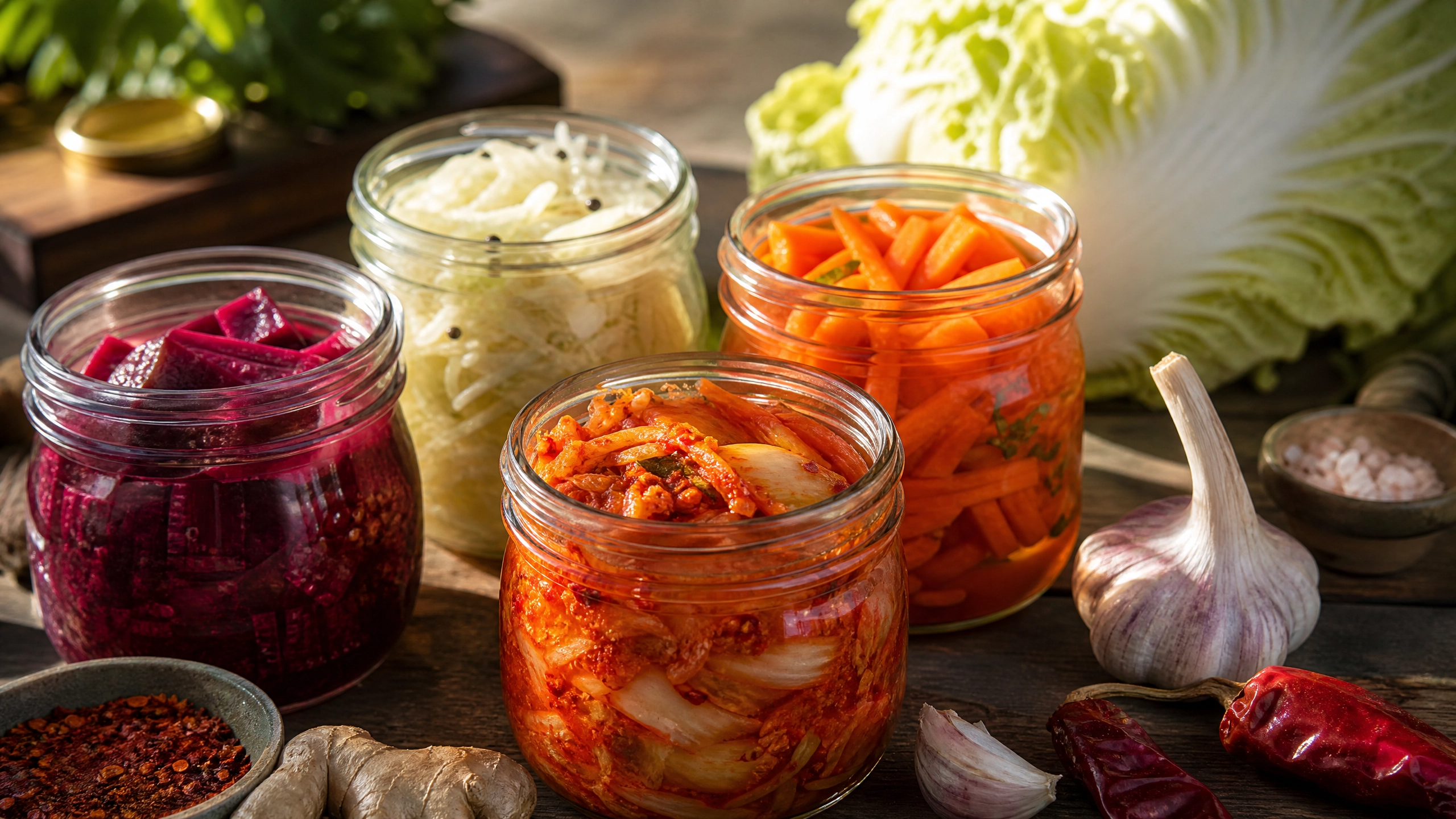
Sauerkraut is produced by lacto-fermentation of shredded cabbage with salt. Unpasteurized, refrigerated sauerkraut is a robust source of probiotics.
- Probiotic content: A 100g serving can contain up to 10⁷–10⁹ CFU/g of LAB (Rezac et al., 2018).
- Key strains: L. plantarum, L. brevis, Leuconostoc mesenteroides.
- Health benefits:
- Reduced bloating and gas: In a 2020 study, participants consuming 100g of sauerkraut daily for 6 weeks reported a 34% reduction in digestive discomfort (Nielsen et al., 2020).
- Improved gut microbiome diversity: Daily consumption increased Lactobacillus and Bifidobacterium counts in stool samples.
- Nutrient perks: Rich in vitamin C, vitamin K2 (menaquinone), and glucosinolates that may support detoxification.
H3: Kimchi (Fermented Korean Cabbage)
Kimchi is a spicy, fermented dish made from napa cabbage, radish, garlic, ginger, and chili peppers. It is one of the most studied fermented vegetables for gut health.
- Probiotic content: A 100g serving contains 10⁶–10⁸ CFU/g of LAB, with significant strain diversity (Kim et al., 2018).
- Key strains: Lactobacillus kimchii, Leuconostoc kimchii, Weissella koreensis.
- Health benefits:
- Anti-inflammatory effects: A 2019 trial found that 100g of kimchi daily for 8 weeks reduced C-reactive protein (CRP) levels by 22% in overweight adults (Kim et al., 2019).
- Reduced cholesterol: Meta-analyses show kimchi consumption lowers LDL cholesterol by 5–8% (Song et al., 2021).
- Enhanced satiety: Kimchi’s combination of fiber and probiotics may support weight management.
H3: Pickles (Fermented Cucumbers)
True fermented pickles are made with salt and brine, not vinegar. They are an excellent source of Lactobacillus.
- Probiotic content: Typically 10⁵–10⁷ CFU/g, depending on fermentation time (Breidt et al., 2013).
- Key strains: L. plantarum, Pediococcus pentosaceus.
- Health benefits:
- Electrolyte balance: The brine provides sodium and potassium, which can be beneficial after exercise.
- Blood sugar regulation: A small 2021 study noted that fermented cucumber juice lowered postprandial glucose spikes by 15% in healthy adults (Lee et al., 2021).
H3: Fermented Beets and Carrots
These root vegetables are less traditional but increasingly popular. Fermentation enhances their antioxidant content.
- Probiotic content: 10⁵–10⁷ CFU/g, with L. plantarum dominating.
- Health benefits:
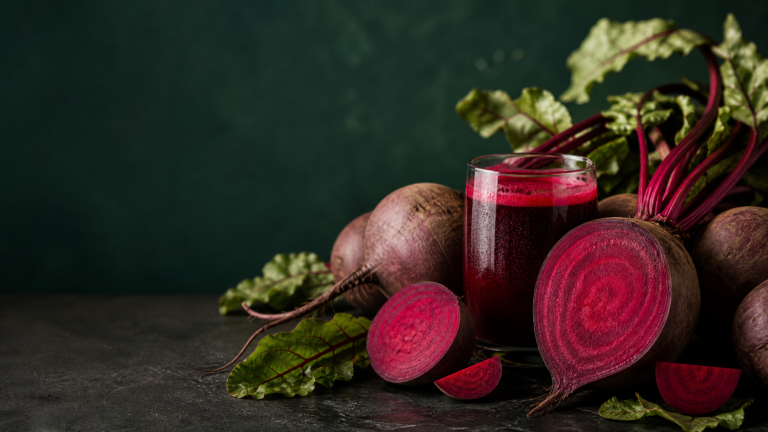
- Nitrate conversion: Fermented beets produce nitric oxide, improving blood flow and gut perfusion.
- Betacyanin preservation: Beet pigments are retained, offering anti-inflammatory benefits.
H2: Potential Side Effects & Precautions
While fermented vegetables are generally safe for most individuals, certain groups should exercise caution.
H3: Common Side Effects
- Initial digestive discomfort: Gas, bloating, or mild diarrhea can occur as the microbiome adjusts to new microbes. This typically resolves within 5–7 days.
- Histamine sensitivity: Fermented foods can contain high levels of histamine due to bacterial activity. Individuals with histamine intolerance (e.g., those with DAO enzyme deficiency) may experience headaches, flushing, or hives.
- Sodium content: A 100g serving of sauerkraut or kimchi contains 500–1,200 mg of sodium. Those with hypertension, kidney disease, or on sodium-restricted diets should choose low-sodium fermented options.
H3: High-Risk Groups
- Immunocompromised individuals: People with HIV/AIDS, undergoing chemotherapy, or on immunosuppressants should avoid unpasteurized fermented foods due to rare risk of systemic bacterial or fungal infections (e.g., lactobacillus bacteremia).
- Pregnant women: While generally safe, unpasteurized products carry a theoretical risk of Listeria monocytogenes contamination. Pasteurized fermented vegetables are a safer alternative.
- Infants and young children: Avoid introducing fermented foods before 6 months due to immature immune systems and high sodium.
H3: Interaction with Medications
- MAO inhibitors: Fermented vegetables contain tyramine, which can interact with monoamine oxidase inhibitors (MAOIs), leading to hypertensive crisis. Consult a physician.
- Antibiotics: Probiotics may be inactivated by certain antibiotics. It is recommended to consume fermented vegetables 2–3 hours apart from antibiotic doses.
H3: Quality Concerns
- Homemade vs. commercial: Homemade ferments can vary in bacterial composition and may harbor pathogens (e.g., Clostridium botulinum) if proper salt concentration (≥2% by weight) and anaerobic conditions are not maintained.
- Pasteurization: Many store-bought pickles and sauerkraut are pasteurized, killing probiotic bacteria. Look for “unpasteurized” or “raw” labels in the refrigerated section.
H2: How to Incorporate Fermented Vegetables into Your Diet
To maximize probiotic benefits, aim for 1–2 servings (about 50–100g) per day. Start with small amounts and gradually increase to allow gut adaptation.
Practical tips:
- Serve as a side dish: Add sauerkraut or kimchi to grilled meats, eggs, or salads.
- Use as a condiment: Mix fermented cucumbers into sandwiches, wraps, or rice bowls.
- Blend into smoothies: A small amount of fermented beets adds probiotics without overpowering flavor.
- Pair with prebiotic foods: Combine with whole grains, onions, garlic, or bananas to feed beneficial bacteria.
H2: Conclusion
Fermented vegetables offer a scientifically supported, whole-food approach to improving gut health through natural probiotics. From sauerkraut and kimchi to pickles and fermented beets, these foods deliver diverse bacterial strains, prebiotic fibers, and bioactive compounds that support digestion, immune function, and overall well-being. However, individuals with histamine intolerance, high sodium concerns, or compromised immunity should proceed with caution. When chosen wisely and consumed appropriately, fermented