Garlic: Natural Heart Support & Immune Shield**
Garlic as a Functional Food for Heart and Immune Support
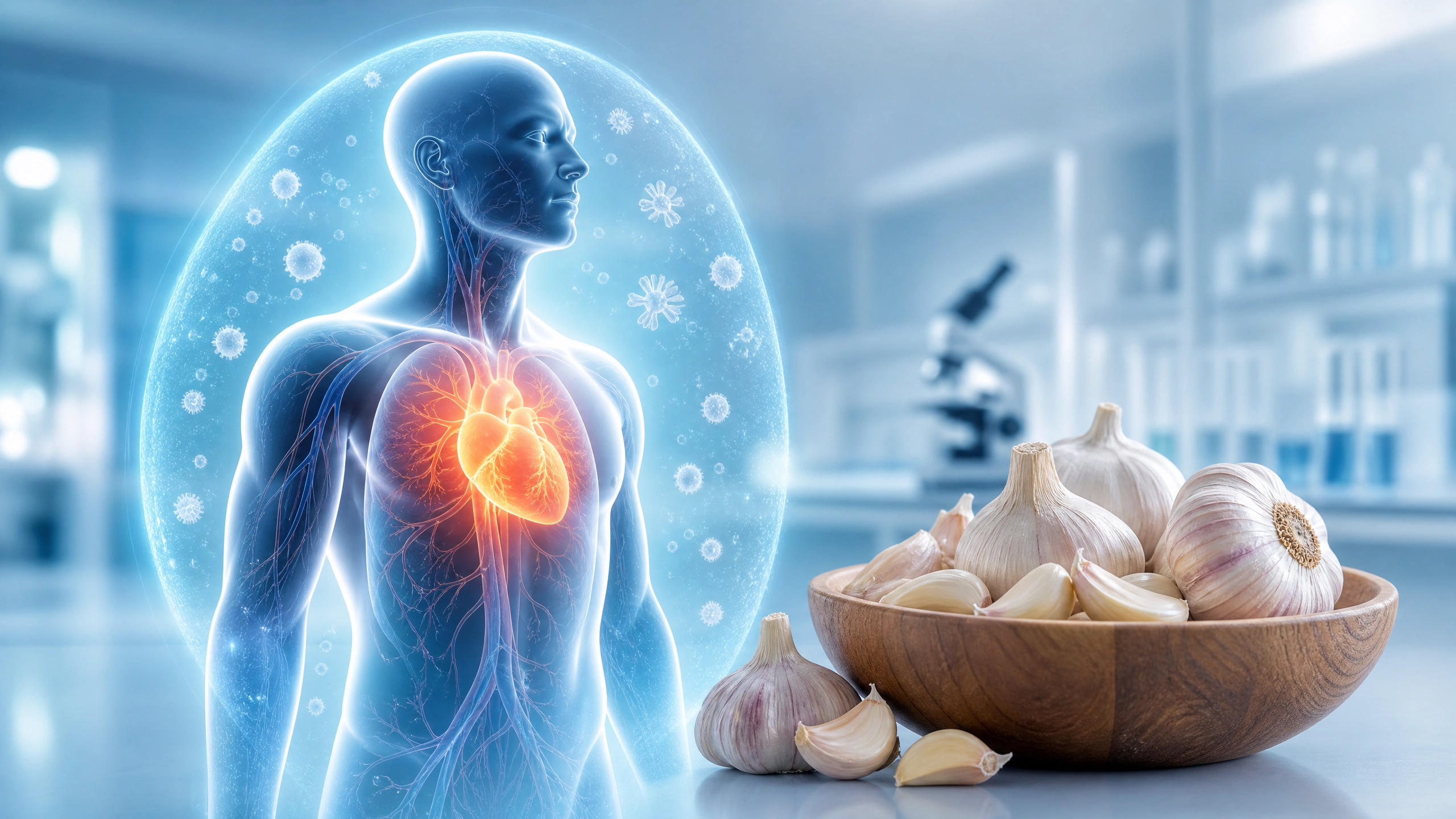
Garlic (Allium sativum) has been revered for centuries as both a culinary spice and a medicinal powerhouse. In modern nutritional science, it is classified as a functional food—a food that provides health benefits beyond basic nutrition. For readers of HealthMedHub, understanding how garlic specifically supports cardiovascular health and immune function is essential to harnessing its full therapeutic potential.
The Bioactive Compounds in Garlic
The health benefits of garlic are primarily attributed to its sulfur-containing compounds, most notably allicin. When a garlic clove is crushed, chopped, or chewed, the enzyme alliinase converts alliin into allicin. This compound is responsible for garlic’s characteristic odor and many of its biological activities.
Other key bioactive constituents include:
- S-allyl cysteine (SAC): a stable, water-soluble compound with potent antioxidant properties
- Diallyl disulfide (DADS) and diallyl trisulfide (DATS): organosulfur compounds that modulate cellular signaling
- Ajoene: a derivative with antiplatelet and antimicrobial effects
- Flavonoids (e.g., quercetin): antioxidants that complement garlic’s activity
These compounds work synergistically to exert cardioprotective and immunomodulatory effects.
Garlic for Cardiovascular Health
Functional foods for heart health aim to reduce major risk factors such as hypertension, hyperlipidemia, and thrombosis. Garlic’s multifaceted actions address all three.
Blood Pressure Regulation
A meta-analysis of randomized controlled trials published in the Journal of Clinical Hypertension (2015) found that garlic supplementation significantly reduced both systolic and diastolic blood pressure in hypertensive patients. The effect was comparable to standard antihypertensive medications in some studies.
- Mechanism: Allicin stimulates nitric oxide (NO) production in vascular endothelial cells. NO relaxes blood vessels, leading to vasodilation and reduced peripheral resistance.
- Practical dose: Aged garlic extract (AGE) at 600–1,200 mg per day has shown consistent BP-lowering effects.
Cholesterol and Lipid Profile Improvement
Multiple studies confirm garlic’s ability to reduce total cholesterol and low-density lipoprotein (LDL) cholesterol.
- A 2016 meta-analysis in Nutrition Reviews demonstrated that garlic supplementation lowered total cholesterol by approximately 15–20 mg/dL and LDL by 10 mg/dL, on average.
- Key compounds: S-allyl cysteine and allicin inhibit hepatic HMG-CoA reductase, the rate-limiting enzyme in cholesterol synthesis (similar to statins, but milder).
- Additional benefit: Garlic may increase high-density lipoprotein (HDL) cholesterol and reduce triglycerides.
Antiplatelet and Antithrombotic Effects
Garlic inhibits platelet aggregation, reducing the risk of arterial thrombosis.
- Mechanism: Ajoene and other sulfur compounds interfere with thromboxane A2 synthesis and block platelet surface receptors.
- Clinical relevance: Regular garlic consumption may reduce the risk of stroke and myocardial infarction in high-risk individuals.
Antioxidant and Anti-Inflammatory Effects
Oxidative stress and chronic inflammation are central to atherosclerosis. Garlic’s antioxidant compounds scavenge free radicals and upregulate endogenous antioxidant enzymes like glutathione peroxidase and superoxide dismutase.
- Inflammatory markers: Studies show garlic reduces C-reactive protein (CRP) and pro-inflammatory cytokines (IL-6, TNF-α).
Garlic for Immune System Support
Garlic has a long history of use as an immune booster, and modern research validates its role in enhancing both innate and adaptive immunity.
Antimicrobial Activity
Garlic exhibits broad-spectrum antimicrobial properties against bacteria, viruses, fungi, and parasites.
- Bacteria: Allicin inhibits bacterial RNA synthesis and disrupts cell wall integrity. It is effective against Staphylococcus aureus, Helicobacter pylori, and Escherichia coli.
- Viruses: Studies indicate garlic extract can reduce the severity and duration of common colds. A 12-week randomized trial in Advances in Therapy (2001) found that participants taking garlic supplements had 63% fewer colds and shorter symptom duration.
- Fungi: Garlic is active against Candida albicans and dermatophytes.
Stimulation of Immune Cells
Garlic modulates immune function by activating key immune cells:
- Natural Killer (NK) cells: Garlic enhances NK cell activity, improving the body’s ability to target virally infected cells and tumor cells.
- Macrophages: Allicin stimulates macrophage phagocytosis and cytokine release.
- T lymphocytes: Garlic promotes T-cell proliferation and differentiation.
- Dendritic cells: Certain garlic compounds enhance antigen presentation, improving adaptive immune responses.
Reduction of Inflammation-Induced Immune Suppression
Chronic inflammation can impair immune function. By reducing oxidative stress and pro-inflammatory cytokines, garlic helps maintain a balanced immune response—neither overactive (autoimmunity) nor underactive (susceptibility to infection).
Synergistic Effects: Heart and Immune Support
Garlic’s role as a functional food is strengthened by the overlap between cardiovascular and immune health. Atherosclerosis involves chronic inflammation driven by immune cells. By reducing systemic inflammation and oxidative stress, garlic simultaneously supports heart health and immune resilience. Additionally, a healthy cardiovascular system ensures efficient delivery of immune cells to sites of infection or injury.
Potential Side Effects & Precautions
Despite its safety profile, garlic is not without potential adverse effects, particularly at high doses or in specific populations.
- Gastrointestinal issues: Common side effects include heartburn, bloating, flatulence, and nausea, especially with raw garlic.
- Bleeding risk: Garlic’s antiplatelet activity may increase bleeding risk. It should be discontinued at least 7–10 days before surgery or dental procedures. Caution is advised for individuals taking anticoagulants (e.g., warfarin, aspirin) or antiplatelet drugs.
- Drug interactions: Garlic can interact with:
- Anticoagulants (warfarin, dabigatran)
- Antihypertensives (may cause additive BP-lowering)
- Statins (theoretical risk of added lipid-lowering)
- Immunosuppressants (high doses may interfere)
- Allergic reactions: Rare, but possible in individuals allergic to plants in the Liliaceae family (e.g., onions, chives).
- Hypothyroidism: High doses of raw garlic may inhibit thyroidal iodide uptake in animal studies; however, clinical relevance is unclear. Moderation is recommended.
- Pregnancy and breastfeeding: Culinary amounts are safe, but high-dose supplements should be used under medical guidance.
Precaution: Individuals with bleeding disorders, scheduled surgeries, or on prescription medications should consult a healthcare professional before starting garlic supplements.
How to Incorporate Garlic for Maximum Benefit
Food vs. Supplements
- Raw garlic: Most potent for allicin content. Crush or chop and let sit for 10 minutes before consumption to allow enzyme activation.
- Aged garlic extract (AGE): Standardized for S-allyl cysteine; less odor, better tolerated, and suitable for chronic use.
- Garlic powder: Some allicin content, but levels vary by processing.
Recommended Dosage
- General health: 2–4 grams of fresh garlic per day (approximately 1–2 cloves).
- Therapeutic: 600–1,200 mg of aged garlic extract daily; or 300–900 mg of garlic powder (standardized to 1.3% alliin).
- Cold prevention: 2.6 grams of aged garlic extract daily during cold season.
Practical Tips
- Add crushed garlic to salad dressings, sauces, or roasted vegetables.
- Use in soups, stews, and stir-fries—add toward the end of cooking to preserve heat-sensitive compounds.
- Consider enteric-coated supplements to reduce gastrointestinal irritation and breath odor.
Conclusion
Garlic stands as a scientifically validated functional food that offers dual benefits for cardiovascular and immune health. Its ability to lower blood pressure, improve cholesterol profiles, reduce platelet aggregation, and enhance immune cell activity makes it a valuable addition to a natural wellness regimen. When used appropriately, with attention to dosage and potential side effects, garlic can be a safe and effective tool in preventive health.
Medical Disclaimer: The content provided on HealthMedHub is for informational purposes only and is not intended as a substitute for professional medical advice, diagnosis, or treatment.
References
- Ried, K., Frank, O. R., & Stocks, N. P. (2015). Aged garlic extract reduces blood pressure in hypertensives: a systematic review and meta-analysis. Journal of Clinical Hypertension, 17(7), 550–557.
- Reinhart, K. M., Talati, R., White, C. M., & Coleman, C. I. (2009). The impact of garlic on lipid parameters: a systematic review and meta-analysis. Nutrition Reviews, 67(4), 203–212.
- Dong, Y., Stallones, L., & Shi, X. (2001). Garlic and cardiovascular health: a review of the epidemiological and clinical evidence. Nutrition Reviews, 59(1), 1–8.
- Josling, P. (2001). Preventing the common cold with a garlic supplement: a double-blind, placebo-controlled survey. Advances in Therapy, 18(4), 189–193.
- Arreola, R., Quintero-Fabián, S., López-Roa, R. I., et al. (2015). Immunomodulation