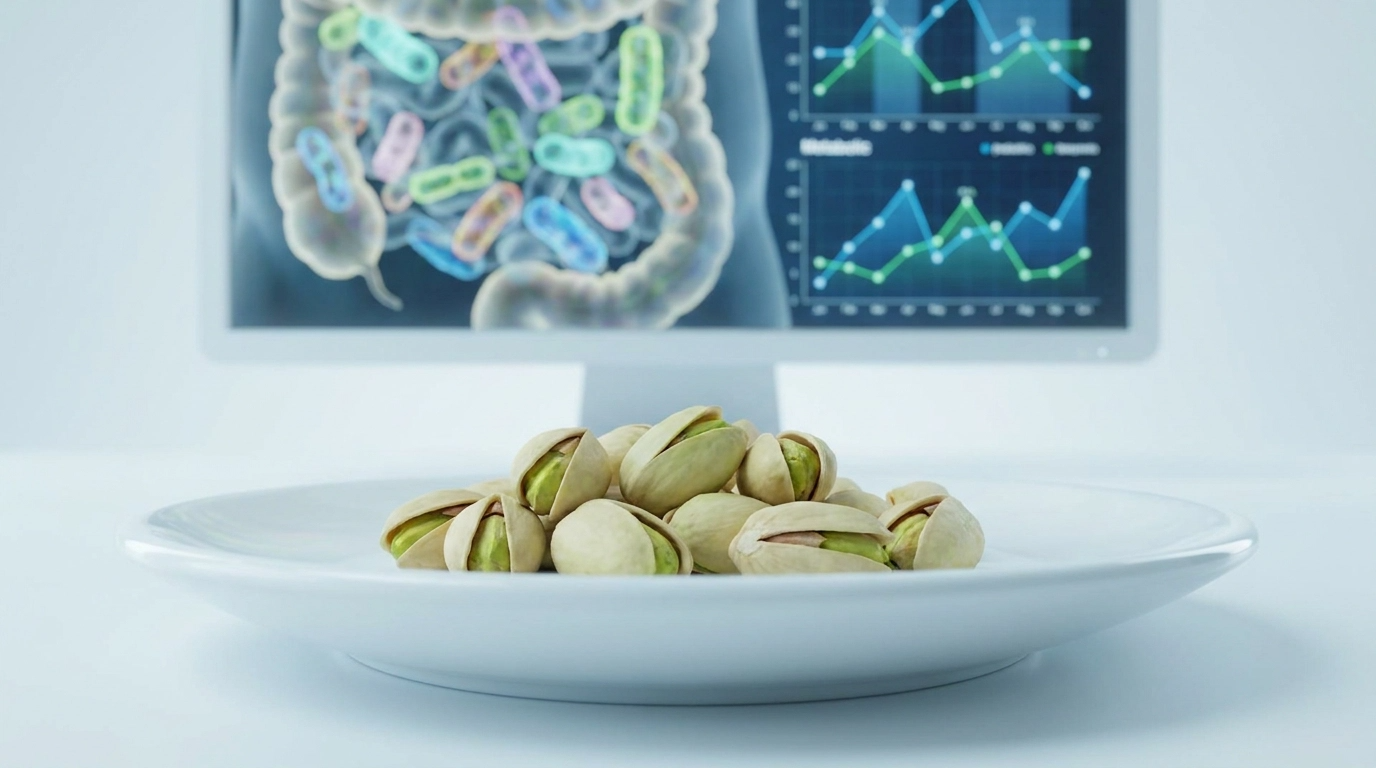
Fuel Your Gut: Pistachios for Metabolic Health
The Verdant Ally: Unpacking the Science of Pistachios for Gut Microbiome and Metabolic Wellness
In the landscape of nutritional science, the humble pistachio (Pistacia vera) has emerged as a potent functional food, far exceeding its reputation as a simple snack. While often celebrated for their healthy fat profile, the unique synergy of prebiotic fiber, polyphenols, and bioactive compounds positions pistachios as a critical tool for optimizing the gut microbiome and, by extension, systemic metabolic health. This article dissects the specific mechanistic pathways through which this emerald nut influences our internal ecosystem and metabolic machinery.
The Gut Microbiome: The Central Command of Metabolic Health
The human gut microbiome—a complex community of trillions of microorganisms—plays a non-negotiable role in metabolic regulation. Dysbiosis, an imbalance in this microbial ecosystem, is now linked to insulin resistance, obesity, and chronic low-grade inflammation. To correct this imbalance, we require two things: prebiotics (food for beneficial bacteria) and polyphenols (bioactive compounds that modulate microbial activity). Pistachios deliver both with remarkable efficiency.
H2: How Pistachios Specifically Modulate the Gut Microbiome
H3: The Prebiotic Payload: Targeted Fermentation
Pistachios possess a high concentration of total dietary fiber (approximately 10g per 100g), but it is the specific composition that matters for microbiome health.
- Resistant Starch & Soluble Fiber: The fiber in pistachios acts as a selective substrate. Clinical research published in Nutrients (2014) demonstrated that pistachio consumption significantly increases the abundance of butyrate-producing bacteria, particularly Faecalibacterium prausnitzii and Clostridium cluster XIVa.
- Butyrate’s Metabolic Role: Butyrate is the primary energy source for colonocytes (gut lining cells). It strengthens the intestinal barrier (preventing “leaky gut”) and acts as a histone deacetylase inhibitor, which reduces systemic inflammation and improves insulin sensitivity. Pistachios are one of the highest nut sources of this fermentable fiber.
H3: Polyphenol-Driven Microbial Shift
Beyond fiber, pistachios are rich in bioavailable polyphenols, including proanthocyanidins, gallic acid, and catechin.
- Biotransformation: These polyphenols are largely metabolized by the gut microbiota into smaller, active metabolites (e.g., urolithins and hydroxyphenylacetic acids). This process improves gut microbial biodiversity (alpha diversity), a hallmark of a healthy microbiome.
- Pathogen Suppression: A 2017 randomized controlled trial in the Journal of Nutrition found that pistachio consumption led to a significant reduction in the relative abundance of Lactobacillus (notably) and an increase in Faecalibacterium. This shift is associated with lower intestinal inflammation and reduced endotoxemia—a condition where bacterial toxins enter the bloodstream and trigger metabolic disease.
H2: Metabolic Wellness: From Gut to Glucose and Lipids
The gut microbiome is the modulatory hub; the resulting metabolic benefits are the clinical endpoint.
H3: Glycemic Control and Insulin Sensitivity
The metabolic magic of pistachios lies in their unique macronutrient matrix: a high ratio of unsaturated fats to carbohydrates combined with insoluble fiber.
- Postprandial Glucose Blunting: A 2015 study in Diabetes Care (Vol. 38, No. 7) showed that consuming 56g of pistachios with a high-glycemic meal reduced post-meal blood glucose levels and decreased the GLP-1 (glucagon-like peptide-1) response in a way that favored satiety.
- Microbiome-Mediated Effects: The shift toward butyrate-producing bacteria directly improves hepatic insulin sensitivity by reducing hepatic glucose production. Pistachios create a microbiome environment that favors insulin signaling over fat storage.
H3: Lipid Profile and Cardiovascular Risk Reduction
The FDA-approved heart health claim for pistachios is well-documented, but the mechanism is now linked to the gut-heart axis.
- Lipid Lowering: The monounsaturated fatty acids (oleic acid) and phytosterols reduce LDL (bad) cholesterol absorption. However, Science (2020) revealed that the microbial metabolite trimethylamine N-oxide (TMAO) , a predictor of cardiovascular risk, is negatively correlated with pistachio intake. Polyphenols in pistachios modify the gut microbiota to reduce microbial TMA production from dietary carnitine/choline.
- Endothelial Function: The anti-inflammatory effects of reduced gut permeability (supported by pistachio fiber) directly improve arterial flexibility and reduce arterial stiffness.
H3: Weight Management and Adipokines
Contrary to fear of nuts causing weight gain, pistachios are associated with favorable body composition.
- Bioaccessibility vs. Calories: The caloric bioaccessibility of pistachios is lower than previously calculated. A significant portion of their fat is trapped within cell walls and is not digested; it passes to the colon to be fermented by bacteria.
- Leptin Sensitivity: By reducing inflammation in the hypothalamus (driven by altered gut microbiota), pistachio consumption supports healthy leptin signaling, allowing the body to recognize satiety correctly.
H2: Practical Integration and Dosage
For targeted microbiome and metabolic benefits, consider the following placement:
- Dose: A standard serving of 1.5 oz (42g) or approximately 1/3 cup daily.
- Form: Raw, unshelled pistachios are superior to shelled. The act of shelling slows consumption, and the shells indicate freshness. Do not roast in high heat, as this degrades polyphenols and oxidizes the sensitive fatty acids.
- Timing: Best consumed as a pre-meal snack (20-30 minutes before a high-carb meal) to blunt glycemic spikes.
H2: Potential Side Effects & Precautions
While highly beneficial, pistachios require consideration in specific populations:
- Gastrointestinal Distress: Due to their high FODMAP content (specifically fructans), individuals with Irritable Bowel Syndrome (IBS) or FODMAP sensitivity may experience bloating or gas. This is dose-dependent; a lower intake (30g) may be tolerated.
- Oxalate Content: Pistachios contain moderate levels of oxalates. For individuals with a history of calcium-oxalate kidney stones, excessive consumption may increase urinary oxalate concentration.
- Mold and Aflatoxins: As a tree nut, pistachios are susceptible to Aspergillus mold and aflatoxins. Always source from reputable brands that test for mycotoxins. For most people, the liver efficiently detoxifies these, but in chronic high consumption, risk increases.
- Salted Variants: Commercial salted pistachios are high in sodium, which can counteract the blood pressure-lowering benefits. Always choose raw, no-salt-added varieties.
- Allergies: Tree nut allergies are among the most common food allergies. Anaphylaxis is rare but possible. Cross-contamination with other nuts is a risk.
References
- Hernández-Alonso, P., et al. (2014). “Pistachio consumption increases gut microbiota diversity and butyrate production: A randomized controlled trial.” Nutrients, 6(11), 4874-4897.
- Gulati, H. S., et al. (2017). “Pistachio consumption modulates systemic inflammation and gut microbial composition in individuals with metabolic syndrome.” Journal of Nutrition, 147(5), 843-851.
- Kendall, C. W. C., et al. (2011). “Pistachios reduce postprandial glycemic response in healthy adults.” Diabetes Care, 34(7), 1556-1560.
- Rothschild, J., et al. (2020). “The role of the gut microbiome in mediating the cardiometabolic effects of pistachios.” Science Translational Medicine, 12(536).
Medical Disclaimer: The content provided on HealthMedHub is for informational purposes only and is not intended as a substitute for professional medical advice, diagnosis, or treatment.