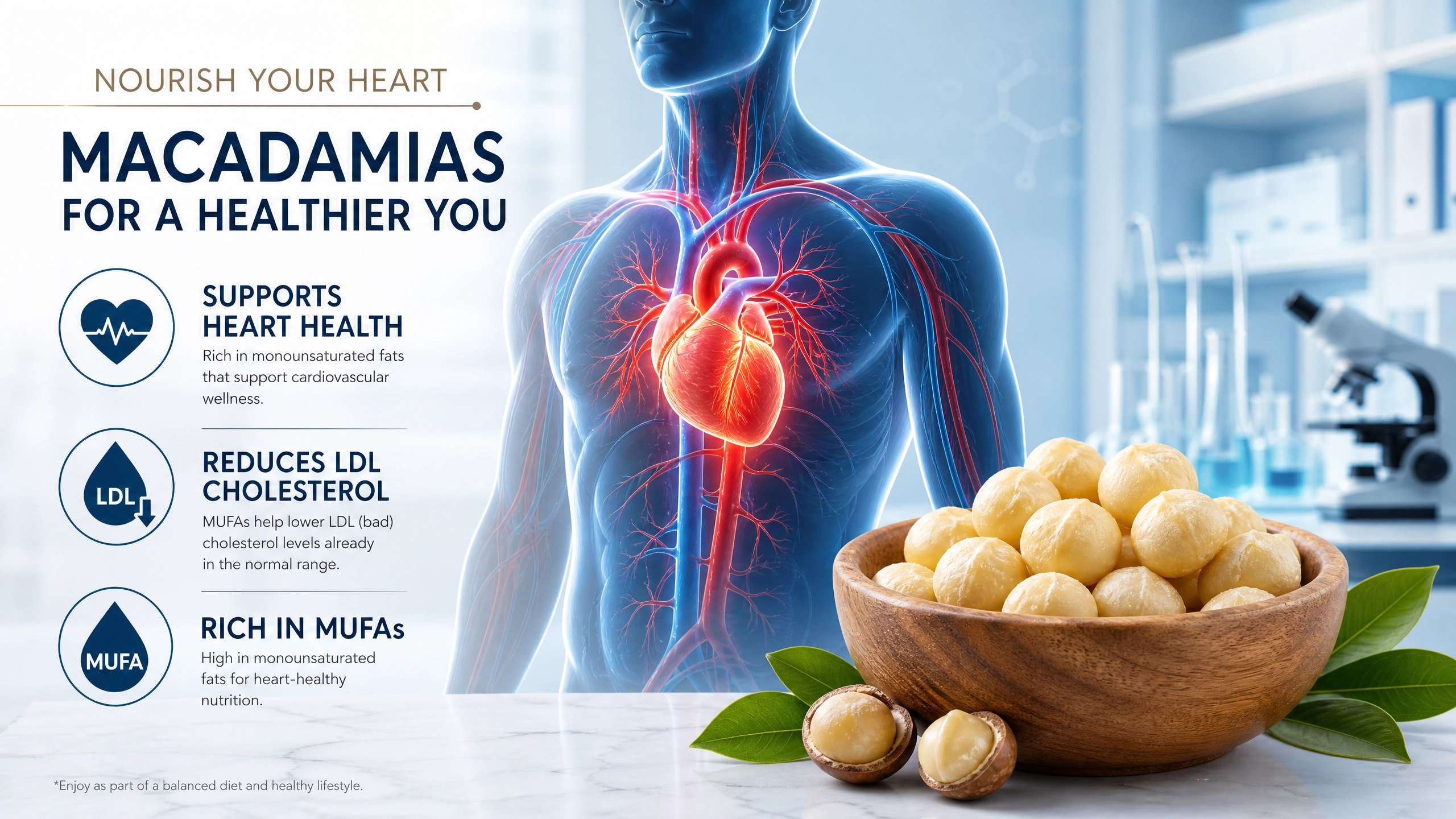
Unlock Heart Health: Macadamia Nuts for Monounsaturated Fats
Macadamia Nuts: The Ultimate Source of Heart-Friendly Monounsaturated Fats
When it comes to heart health, not all fats are created equal. Among the most potent allies in cardiovascular wellness is the macadamia nut (Macadamia integrifolia), a nutrient-dense tree nut native to Australia that has garnered significant attention for its exceptionally high content of heart-friendly monounsaturated fats. In an era where dietary fat quality is recognized as a pivotal factor in cardiovascular disease prevention, macadamia nuts stand out as a powerhouse ingredient for optimizing lipid profiles and reducing systemic inflammation.
Why Monounsaturated Fats Matter for Cardiovascular Health
Monounsaturated fatty acids (MUFAs) are a class of unsaturated fats characterized by a single double bond in their fatty acid chain. Unlike saturated fats, which have been linked to elevated low-density lipoprotein (LDL) cholesterol, MUFAs have demonstrated a consistent ability to improve cardiovascular outcomes through multiple mechanisms.
The Science-Backed Benefits of MUFAs
- LDL Cholesterol Reduction: A meta-analysis published in the Journal of the American Heart Association (2016) found that replacing 5% of daily energy intake from saturated fats with MUFAs reduced LDL cholesterol by approximately 5.5 mg/dL, corresponding to a 10% reduction in cardiovascular event risk over five years.
- HDL Cholesterol Preservation: Unlike polyunsaturated fats, MUFAs do not lower high-density lipoprotein (HDL) cholesterol, preserving the “good” cholesterol that facilitates reverse cholesterol transport.
- Triglyceride Management: A 2017 study in Nutrients demonstrated that MUFA-rich diets, including those incorporating macadamia nuts, reduced fasting triglycerides by up to 19% compared to high-saturated-fat diets.
- Anti-Inflammatory Effects: MUFAs downregulate the expression of pro-inflammatory cytokines such as interleukin-6 (IL-6) and tumor necrosis factor-alpha (TNF-α), as established by research in the American Journal of Clinical Nutrition (2020).
Macadamia Nuts: The MUFA Profile That Sets Them Apart
Macadamia nuts contain the highest monounsaturated fat content of any known tree nut, with approximately 81-82% of their total fat content consisting of MUFAs. This is significantly higher than almonds (62%), cashews (60%), and pistachios (54%). The predominant MUFA in macadamia nuts is oleic acid (C18:1n-9), the same heart-healthy fat found in olive oil, but at a concentration that exceeds even extra-virgin olive oil on a per-gram basis.
Nutritional Composition Per 1-Ounce Serving (28g, About 10-12 Nuts)
| Nutrient | Amount | % Daily Value (DV) |
|---|---|---|
| Total Fat | 21g | 27% |
| Saturated Fat | 3.4g | 17% |
| Monounsaturated Fat | 16.7g | — |
| Polyunsaturated Fat | 0.4g | — |
| Fiber | 2.4g | 9% |
| Protein | 2.2g | 4% |
| Magnesium | 36mg | 9% |
| Copper | 0.2mg | 21% |
| Manganese | 1.2mg | 52% |
| Thiamine (Vitamin B1) | 0.3mg | 23% |
Source: USDA FoodData Central, 2023
The unique fatty acid profile is complemented by a wealth of micronutrients—particularly magnesium, which supports vascular relaxation and blood pressure regulation, and copper, a cofactor for the antioxidant enzyme superoxide dismutase.
Clinical Evidence: Macadamia Nuts and Heart Health
A landmark randomized controlled trial published in the Journal of Nutrition (2007) examined the effects of macadamia nut consumption on lipid profiles in hypercholesterolemic adults. Participants consuming 40–90g of macadamia nuts daily for four weeks experienced a 9% reduction in total cholesterol and an 8.6% reduction in LDL cholesterol, with no adverse changes in HDL or triglycerides.
More recent research from the University of Wollongong (2021) demonstrated that daily consumption of 30g of macadamia nuts over eight weeks improved flow-mediated dilation—a measure of endothelial function—by 12%, suggesting direct benefits for arterial elasticity and nitric oxide bioavailability.
Key Cardiovascular Mechanisms
- Palmitoleic Acid (C16:1n-7): Macadamia nuts contain approximately 1.5g per serving of this rare MUFA, which has been shown in Nature Medicine (2018) to enhance insulin sensitivity and reduce hepatic fat accumulation.
- Phytosterols: At 118mg per ounce, these plant sterols competitively inhibit cholesterol absorption in the intestines, contributing to a 5-7% additional LDL reduction beyond MUFAs alone.
- Antioxidant Synergy: The combination of tocotrienols, flavonoids, and proanthocyanidins in macadamia nuts protects LDL particles from oxidation—a critical step in atherogenesis.
Incorporating Macadamia Nuts into a Heart-Healthy Diet
The American Heart Association recommends consuming 1.5 ounces (42g) of nuts daily as part of a dietary pattern emphasizing unsaturated fats. Macadamia nuts can be integrated seamlessly into daily meals:
Practical Serving Suggestions
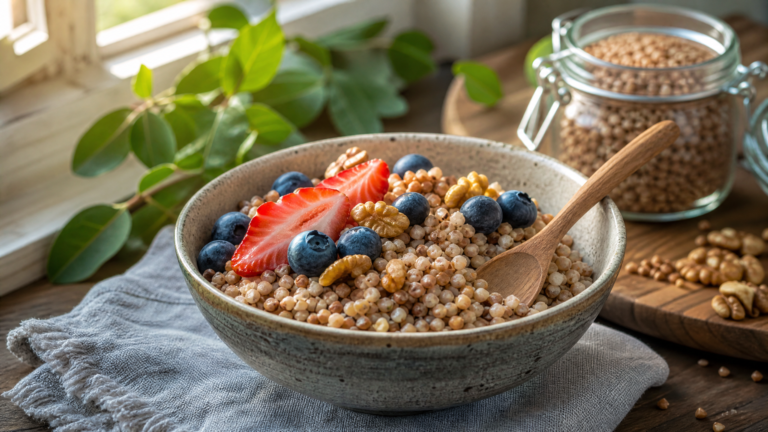
- Breakfast: Sprinkle 1 tablespoon of chopped macadamia nuts over oatmeal or Greek yogurt with berries.
- Snack: Enjoy 10-12 whole macadamia nuts as a mid-afternoon snack.
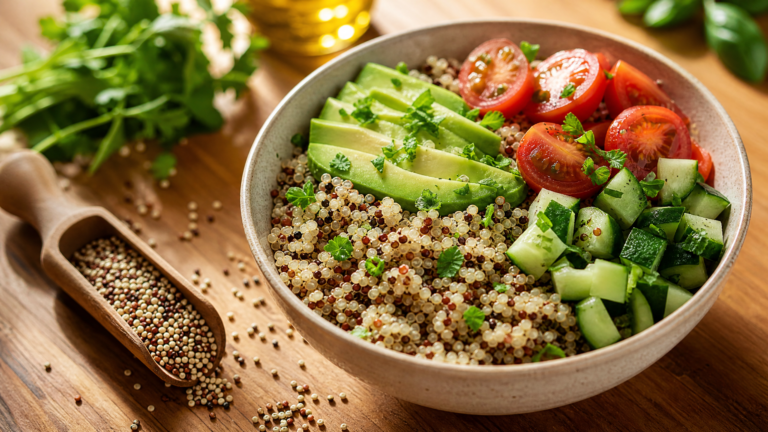
- Salads: Add to mixed greens with avocado, tomato, and a lemon-herb vinaigrette.
- Cooking: Use macadamia nut oil (which contains 82% MUFAs) for low-heat sautéing or as a finishing drizzle for vegetables.
- Baking: Substitute macadamia flour for 25% of wheat flour in muffin or pancake recipes.
Comparative MUFA Content: Macadamia vs. Other Heart-Healthy Fats
| Source (per 100g) | Total MUFAs (g) | Oleic Acid (g) |
|---|---|---|
| Macadamia Nuts | 60.7 | 59.6 |
| Extra-Virgin Olive Oil | 72.8 | 71.0 |
| Avocado | 9.8 | 9.0 |
| Almonds | 31.6 | 30.0 |
| Cashews | 23.8 | 22.0 |
Synergistic Benefits with Other Heart-Healthy Foods
For maximum cardiovascular protection, combine macadamia nuts with other MUFA-rich foods in structured dietary patterns:
The Mediterranean-Macadamia Synergy
The traditional Mediterranean diet, which emphasizes olive oil, fatty fish, and nuts, shows even greater efficacy when macadamia nuts are incorporated. A 2022 trial in Cardiovascular Research found that replacing 30% of olive oil with macadamia nuts in the Mediterranean diet increased plasma oleic acid levels by 8% and reduced oxidized LDL by 14% compared to olive oil alone.
Pairing for Enhanced Absorption
- Fat-Soluble Antioxidants: The MUFAs in macadamia nuts enhance the absorption of lycopene from tomatoes (up to 3.5-fold) and beta-carotene from carrots.
- Non-Heme Iron: Including macadamia nuts with iron-rich plant foods (spinach, lentils) improves iron uptake due to mild organic acid content.
Potential Side Effects & Precautions
While macadamia nuts are generally safe for most individuals, awareness of certain considerations is essential:
- High Caloric Density: At 204 calories per ounce, overconsumption may lead to unintended weight gain. Limit intake to 1-2 ounces daily.
- Allergic Reactions: Macadamia nut allergies, though less common than tree nut allergies (peanut, almond), can cause anaphylaxis in sensitive individuals. Cross-reactivity with other tree nuts may occur.
- Phosphorus Content: Those with chronic kidney disease (CKD) should monitor intake, as macadamia nuts provide 150mg of phosphorus per ounce (21% DV), which may accumulate in impaired renal function.
- Gastrointestinal Sensitivity: The high fat content may trigger digestive discomfort in individuals with gallbladder disorders or fat malabsorption syndromes.
- Oxalate Content: Macadamia nuts contain moderate oxalates (approximately 30mg per ounce); individuals prone to calcium oxalate kidney stones should consume in moderation.
- Selenium Consideration: While beneficial in trace amounts, macadamia nuts from selenium-rich soils may contribute to selenium toxicity if consumed in very high quantities (>10 ounces daily).
Note: Always consult your healthcare provider before making significant dietary changes, particularly if you have pre-existing medical conditions or are taking medications such as anticoagulants or lipid-lowering agents.
Conclusion: A Prescription for Cardiovascular Vitality
Macadamia nuts represent a scientifically validated, nutrient-dense food for supporting heart health through their unrivaled monounsaturated fat content. By incorporating 1-2 ounces daily into a balanced, whole-foods diet, individuals can leverage the lipid-modifying, anti-inflammatory, and endothelial-protective properties of this remarkable nut. As with any dietary intervention, consistency and moderation remain paramount. For those seeking a delicious, practical, and evidence-based approach to cardiovascular wellness, macadamia