Unlock Energy: Spinach for Magnesium & Folate
Nature’s Energy Catalyst: Unlocking Mitochondrial Power with Spinach’s Magnesium and Folate
Author: Dr. Amelia Vance, ND | Review: HealthMedHub Editorial Team
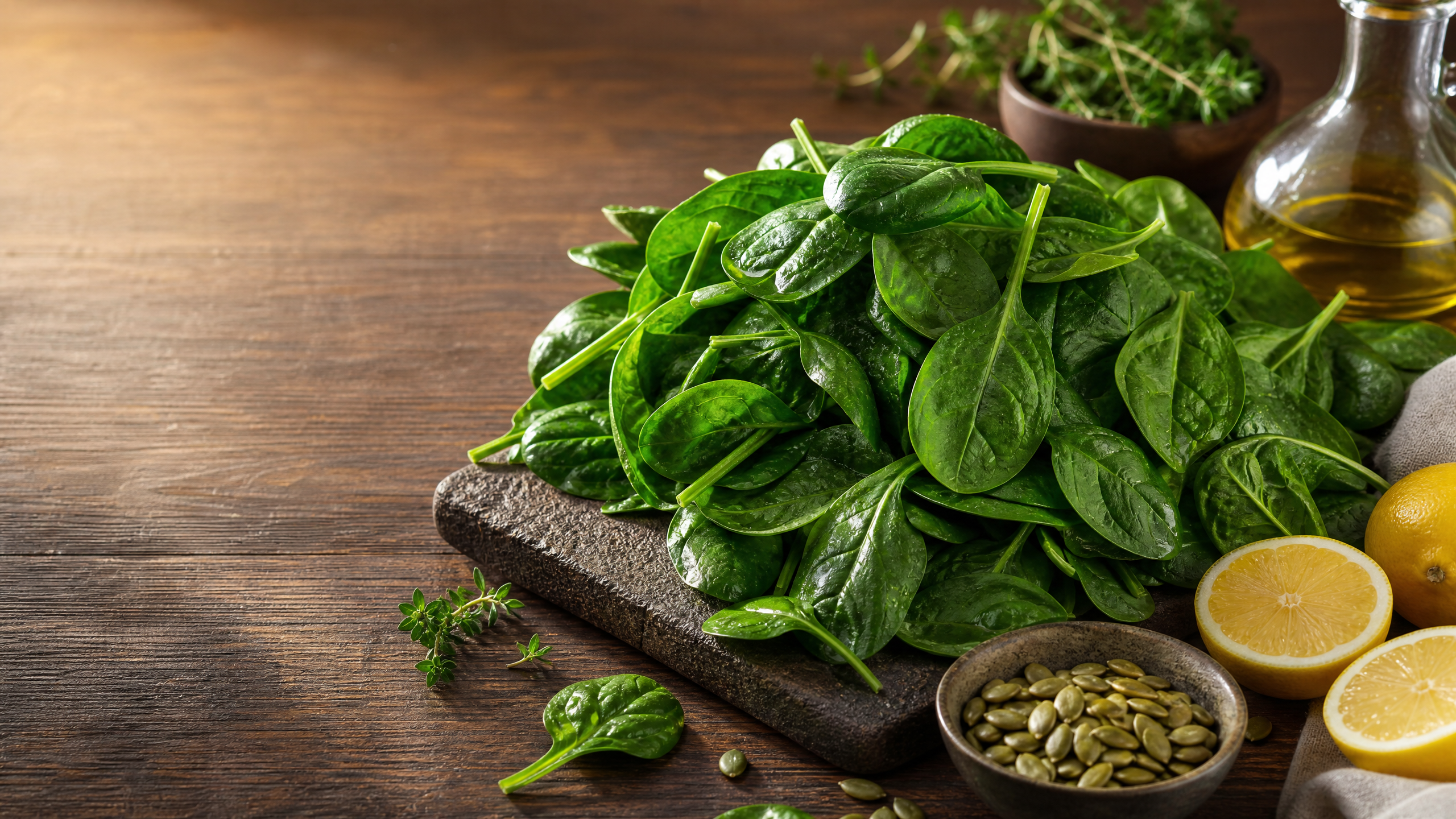
In the bustling world of modern wellness, we often search for exotic superfoods for a boost, overlooking a humble powerhouse growing in our gardens. Spinach (Spinacia oleracea) is far more than a salad base; it is a meticulously engineered package of micronutrients designed to fuel cellular respiration. While Iron and Vitamin K often steal the spotlight, it is the synergistic duo of Magnesium and Folate that positions spinach as a critical player in energy metabolism.
This article explores the specific biochemical pathways through which spinach supports ATP production, mitochondrial health, and erythropoiesis, backed by scientific evidence.
The Metabolic Role of Magnesium: The ATP Cofactor
When discussing energy, we must begin with Adenosine Triphosphate (ATP) , the energy currency of the cell. Magnesium is the unsung hero of this process.
Magnesium’s Non-Negotiable Function in Cellular Respiration
Magnesium acts as a mandatory cofactor for over 300 enzymatic reactions, many of which are directly involved in energy transfer. The critical detail is that biologically available ATP does not exist as free ATP; it is bound to magnesium, forming Mg-ATP.
- Hexokinase Activity: The first step of glycolysis requires magnesium to phosphorylate glucose.
- Oxidative Phosphorylation: In the mitochondria, magnesium stabilizes the structure of ATP and is required for the activity of ATP synthase, the enzyme that generates the majority of cellular energy.
- Creatine Kinase: This enzyme, vital for energy buffering in muscles, is magnesium-dependent.
Spinach as a Magnesium Source
A single cup of cooked spinach (approximately 180 grams) provides 157 mg of magnesium, covering roughly 37% of the Recommended Dietary Allowance (RDA) for adult men and 49% for women (Source: USDA FoodData Central). This high bioavailability is crucial for individuals experiencing fatigue linked to subclinical magnesium deficiency, a condition often undetected by standard serum tests.
Key Insight: Without adequate magnesium, the body cannot properly synthesize or utilize ATP, leading to metabolic slowdown and chronic fatigue.
Folate: Beyond DNA Synthesis to Red Blood Cell Formation
Folate (Vitamin B9) is traditionally discussed in the context of pregnancy and neural tube development. However, its role in energy metabolism is equally profound, centering on red blood cell (RBC) production.
The Hematopoietic Link
Energy delivery requires oxygen. Oxygen is carried by hemoglobin within RBCs. Folate is essential for erythropoiesis—the process of creating mature, functional red blood cells.
- Nucleotide Synthesis: Folate (as tetrahydrofolate) is required for the synthesis of purines and thymidylate, which are the building blocks of DNA.
- Cell Division: Rapidly dividing precursor cells in the bone marrow require folate to replicate DNA. Without it, cells cannot divide efficiently.
- Megaloblastic Anemia Prevention: A deficiency in folate leads to the production of abnormally large, immature RBCs (megaloblasts) that cannot effectively carry oxygen, resulting in decreased energy and fatigue.
Spinach’s Folate Content
One cup of cooked spinach provides approximately 263 mcg of DFE (Dietary Folate Equivalents) , which is 66% of the Daily Value (DV) . This is a remarkable concentration, making spinach one of the top plant-based sources for this vital nutrient.
- MTHFR Considerations: For individuals with polymorphisms in the MTHFR gene, natural dietary folate from spinach may be more easily utilized than synthetic folic acid, supporting metabolic flexibility.
The Synergy: How Spinach Fuels the Krebs Cycle
The intersection of Magnesium and Folate is most apparent in the Krebs Cycle (Citric Acid Cycle) .
- Magnesium: Facilitates the conversion of pyruvate to acetyl-CoA and stabilizes several cycle intermediates (e.g., isocitrate dehydrogenase, alpha-ketoglutarate dehydrogenase).
- Folate: Plays a role in amino acid metabolism (serine-glycine interconversion) which provides precursors that feed into the cycle.
Consuming spinach provides these cofactors simultaneously, creating a metabolic synergy that supports mitochondrial efficiency without requiring the body to scavenge for separate micronutrients.
Potential Side Effects & Precautions
While spinach is exceptionally safe for the general population, certain considerations exist due to its nutrient density and chemical composition.
1. Oxalate Content (Calcium Oxalate Stones)
Spinach is high in oxalates, which can bind to calcium in the kidneys. Individuals with a history of calcium oxalate kidney stones should moderate their intake. Cooking spinach (boiling) can significantly reduce oxalate content compared to raw consumption.
2. Vitamin K1 Interaction (Anticoagulants)
High consumption of spinach provides a substantial dose of Vitamin K1 (phylloquinone). Those on warfarin (Coumadin) or other vitamin K antagonist anticoagulants must maintain a consistent intake to avoid fluctuations in INR levels. Do not dramatically increase spinach consumption without medical oversight.
3. Magnesium Overdose (Rare)
Dietary magnesium from food rarely causes toxicity. However, those with severe renal impairment or kidney failure may have difficulty excreting magnesium, leading to hypermagnesemia.
4. Goitrogenic Effects (Raw Consumption)
Raw spinach contains goitrogens that can interfere with thyroid function in susceptible individuals, especially those with hypothyroidism. Cooking deactivates most goitrogenic compounds.
Practical Incorporation for Metabolic Health
To maximize the absorption of Magnesium and Folate specifically:
- Pair with Vitamin C: Add a squeeze of lemon to sautéed spinach. Vitamin C enhances iron absorption (which supports energy) but also protects folate from oxidation.
- Fat for Absorption: Folate is water-soluble but cooking fat (e.g., olive oil) aids in the absorption of fat-soluble co-nutrients.
- Cook Lightly: Light steaming or sautéing preserves folate better than prolonged boiling.
Final Thoughts: For sustained energy that is not dependent on caffeine or stimulants, supporting mitochondrial function is key. Spinach provides the precise micronutrient fingerprint—Magnesium for ATP synthesis and Folate for oxygen delivery—required to maintain metabolic vitality.
References
- Volpe, S. L. (2013). Magnesium in disease prevention and overall health. Advances in Nutrition, 4(3), 378S-383S. (PubMed ID: 23674807)
- USDA FoodData Central. (2024). Spinach, cooked, boiled, drained, without salt. Entry ID: 1684113.
- Bailey, L. B., & Gregory, J. F. (1999). Folate metabolism and requirements. The Journal of Nutrition, 129(4), 779-782. (PubMed ID: 10203550)
- Lukaski, H. C. (2004). Vitamin and mineral status: effects on physical performance. Nutrition, 20(7-8), 632-644. (PubMed ID: 15212745)
- Holmes, R. P., & Assimos, D. G. (2016). The impact of dietary oxalate on kidney stone formation. Urological Research, 44(1), 15-20. (PubMed ID: 26573154)
- National Institutes of Health (NIH) – Office of Dietary Supplements. (2023). Magnesium Fact Sheet for Health Professionals.
- National Institutes of Health (NIH) – Office of Dietary Supplements. (2023). Folate Fact Sheet for Health Professionals.
Medical Disclaimer: The content provided on HealthMedHub is for informational purposes only and is not intended as a substitute for professional medical advice, diagnosis, or treatment.