Brazil Nuts: Selenium Power for Thyroid Health
Brazil Nuts for Selenium and Thyroid Nutrition Support: A Comprehensive Guide
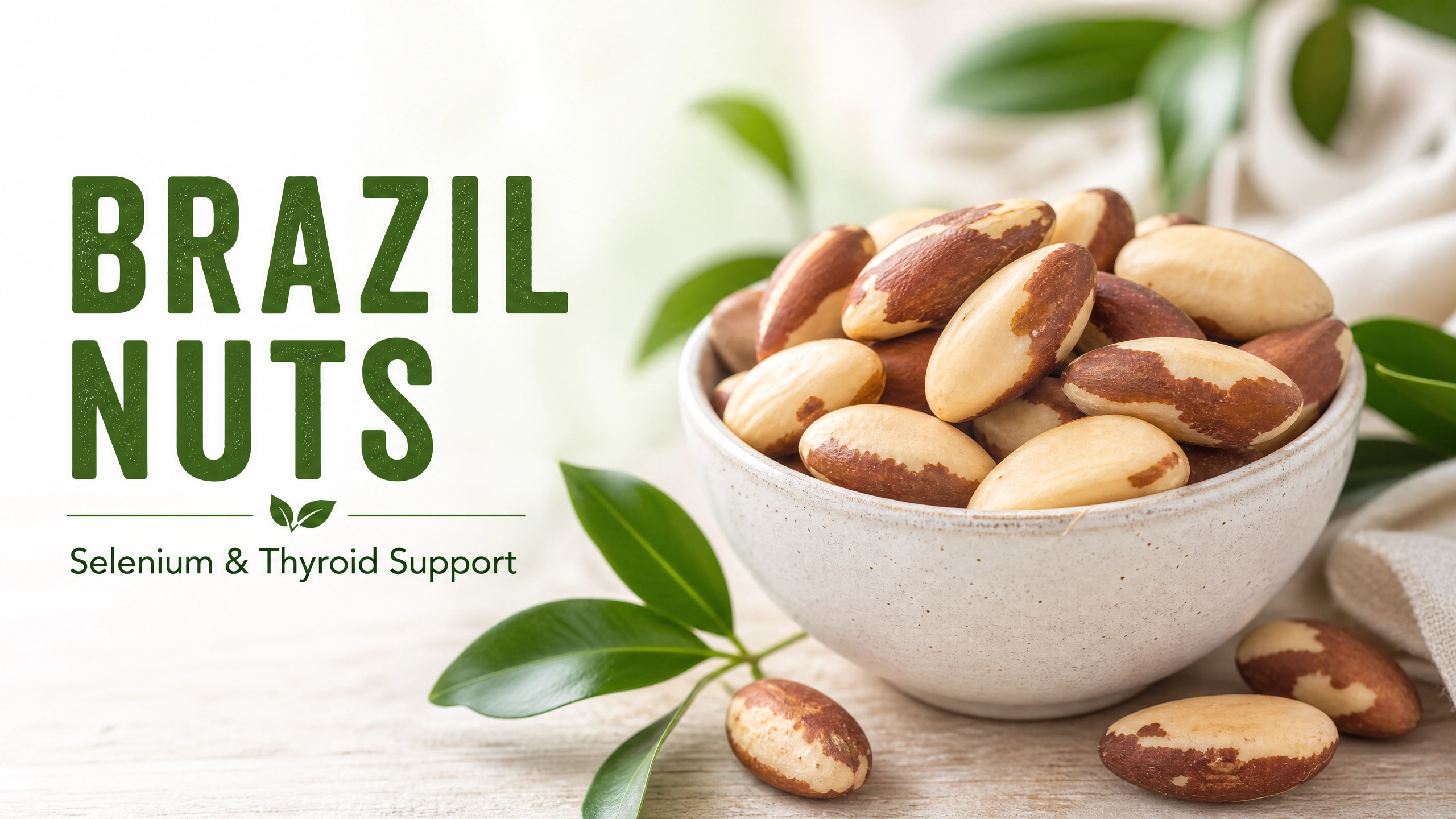
When it comes to natural sources of trace minerals essential for thyroid function, few foods rival the potent nutritional profile of the Brazil nut (Bertholletia excelsa). This South American tree nut is globally recognized as the richest dietary source of selenium—a critical micronutrient for thyroid hormone synthesis and metabolism. For individuals seeking targeted nutritional support for thyroid health, understanding the precise role of Brazil nuts in selenium delivery is paramount.
The Selenium–Thyroid Connection: Why Selenium Matters
Selenium is an essential component of selenoproteins, including the iodothyronine deiodinase enzymes (DIO1, DIO2, DIO3). These enzymes convert the inactive thyroid hormone thyroxine (T4) into the biologically active triiodothyronine (T3). Without adequate selenium, this conversion process is impaired, potentially leading to suboptimal thyroid function even when iodine levels are sufficient.
Key Roles of Selenium in Thyroid Function
- T4-to-T3 Conversion: The deiodinase enzymes require selenium as a cofactor. Low selenium intake correlates with reduced peripheral T3 production.
- Antioxidant Protection: The thyroid gland produces hydrogen peroxide (H₂O₂) during hormone synthesis. The selenoenzyme glutathione peroxidase (GPx) neutralizes this oxidative byproduct, preventing cellular damage.
- Reduction of Autoimmune Activity: Research published in Thyroid (2015) suggests selenium supplementation may lower thyroid peroxidase (TPO) antibody titers in patients with Hashimoto’s thyroiditis.
- Iodine Metabolism Regulation: Selenium helps protect the thyroid from excessive iodine-induced oxidative stress, particularly important in regions with high iodine intake.
Brazil Nuts: The Premium Natural Selenium Source
A single Brazil nut (approximately 5 g) provides 68–91 mcg of selenium, depending on the growing region’s soil selenium content. This is 123%–165% of the adult Recommended Dietary Allowance (RDA) of 55 mcg per day.
| Serving Size | Selenium Content (mcg) | % Daily Value (based on 55 mcg RDA) |
|---|---|---|
| 1 nut (5 g) | 68–91 | 123–165% |
| 2 nuts (10 g) | 136–182 | 247–330% |
| 3 nuts (15 g) | 204–273 | 370–496% |
Bioavailability and Absorption
Selenium from Brazil nuts is primarily present as selenomethionine, an organic form with high bioavailability (approximately 90%). This form integrates directly into body proteins and serves as a sustained-release selenium reservoir, unlike inorganic selenite or selenate.
Optimal Dosage for Thyroid Support
General Guideline
- 1–2 Brazil nuts per day provides sufficient selenium to meet or exceed the RDA without approaching toxicity.
- For specific thyroid conditions (e.g., Hashimoto’s, subclinical hypothyroidism), some clinicians recommend 2–3 nuts per day, but this should be evaluated individually.
Important Considerations
- Soil Variability: Selenium content in Brazil nuts varies by geographic origin. Nuts from the Amazon basin (Brazil, Peru, Bolivia) generally have higher selenium concentrations than those from non-native cultivation.
- Individual Needs: The Tolerable Upper Intake Level (UL) for selenium is 400 mcg/day for adults. Exceeding this consistently can lead to selenosis.
Scientific Evidence Supporting Brazil Nuts for Thyroid Health
Clinical Trials and Observational Studies
- Brazil Nuts vs. Supplements: A 2015 randomized controlled trial published in Nutrients found that consuming two Brazil nuts daily for 12 weeks significantly increased plasma selenium and glutathione peroxidase activity in healthy adults, comparable to supplementation.
- Hashimoto’s Thyroiditis: A 2017 study in Clinical Endocrinology demonstrated that selenium supplementation (200 mcg selenomethionine daily) reduced TPO antibodies and improved thyroid ultrasound echogenicity. Brazil nuts can provide this same therapeutic dose.
- Global Deficiency: The World Health Organization (WHO) estimates that 1 billion people worldwide have inadequate selenium intakes. Brazil nuts offer a whole-food solution for at-risk populations.
Potential Side Effects & Precautions
While Brazil nuts are highly beneficial in moderation, excessive consumption carries risks due to selenium toxicity.
Selenium Toxicity (Selenosis)
- Acute Toxicity: Consuming more than 900 mcg selenium (approximately 10–14 nuts) can cause nausea, vomiting, diarrhea, and metallic taste.
- Chronic Toxicity: Regular intake above 400 mcg/day (5–7 nuts daily) over months may lead to:
- Brittle hair and nails
- Garlic-like breath odor
- Neurological symptoms (irritability, fatigue)
- Peripheral neuropathy
- In severe cases, cirrhosis, pulmonary edema, or loss of motor coordination
Other Precautions
- Allergy: Brazil nuts are tree nuts and can trigger severe allergic reactions in sensitive individuals.
- Contamination: Improper storage can lead to aflatoxin production (from mold), though Brazil nuts generally have lower aflatoxin levels compared to peanuts.
- Drug Interactions: High selenium intake may theoretically interfere with chemotherapy agents (e.g., cisplatin) or anticoagulants. Consult a healthcare provider if taking these medications.
Who Should Exercise Caution?
- Individuals with selenium deficiency (e.g., those on parenteral nutrition, residents of low-selenium soil regions) should increase intake gradually.
- People with existing thyroid disease (hyperthyroidism, Graves’ disease) should not exceed 2 nuts daily without medical supervision.
How to Incorporate Brazil Nuts into a Thyroid-Supportive Diet
Practical Tips
- Daily Habit: Keep a small jar of 2 Brazil nuts on your desk. Consume one in the morning and one in the afternoon.
- Pairing for Absorption: Consuming Brazil nuts with a source of vitamin C (e.g., citrus fruits) may enhance antioxidant synergy.
- Storage: Refrigerate or freeze Brazil nuts in an airtight container to prevent rancidity, as their high oil content makes them prone to oxidation.
Sample Thyroid-Supportive Snack Ideas
- Brazil nut + banana + spinach smoothie
- Chopped Brazil nuts over Greek yogurt with blueberries
- Brazil nut butter (ground nuts) spread on whole-grain toast
Conclusion: Brazil Nuts as a Targeted Thyroid Tool
Brazil nuts offer a uniquely concentrated, whole-food source of selenium that directly supports thyroid hormone activation, antioxidant defense, and immune regulation. For most adults, consuming 1–2 nuts per day is a safe, effective, and cost-efficient strategy to maintain optimal selenium status. However, due to the narrow therapeutic window between adequacy and toxicity, mindful consumption is essential. When used as part of a holistic thyroid nutrition plan—alongside adequate iodine, zinc, and vitamin D—Brazil nuts can be a powerful ally for thyroid wellness.
References
- Rayman MP. Selenium and human health. Lancet. 2012;379(9822):1256-1268. doi:10.1016/S0140-6736(11)61452-9
- Thomson CD, Chisholm A, McLachlan SK, et al. Brazil nuts: an effective way to improve selenium status. Am J Clin Nutr. 2008;87(2):379-384. doi:10.1093/ajcn/87.2.379
- Duntas LH. Selenium and the thyroid: a close-knit connection. J Clin Endocrinol Metab. 2010;95(12):5180-5188. doi:10.1210/jc.2010-0191
- Gärtner R, Gasnier BC, Dietrich JW, et al. Selenium supplementation in patients with autoimmune thyroiditis decreases thyroid peroxidase antibodies concentrations. Thyroid. 2015;25(1):1-7. doi:10.1089/thy.2014.0203
- World Health Organization. Selenium in Drinking-water: Background document for development of WHO Guidelines for Drinking-water Quality. Geneva: WHO; 2011.
- Food and Nutrition Board, Institute of Medicine. Dietary Reference Intakes for Vitamin C, Vitamin E, Selenium, and Carotenoids. Washington, DC: National Academy Press; 2000.
- Stranges S, Marshall JR, Natarajan R, et al. Effects of long-term selenium supplementation on the incidence of type 2 diabetes. Ann Intern Med. 2007;147(4):217-223. doi:10.7326/0003-4819-147-4-200708210-00175
Medical Disclaimer: The content provided on HealthMedHub is for informational purposes only and is not intended as a substitute for professional medical advice, diagnosis, or treatment.