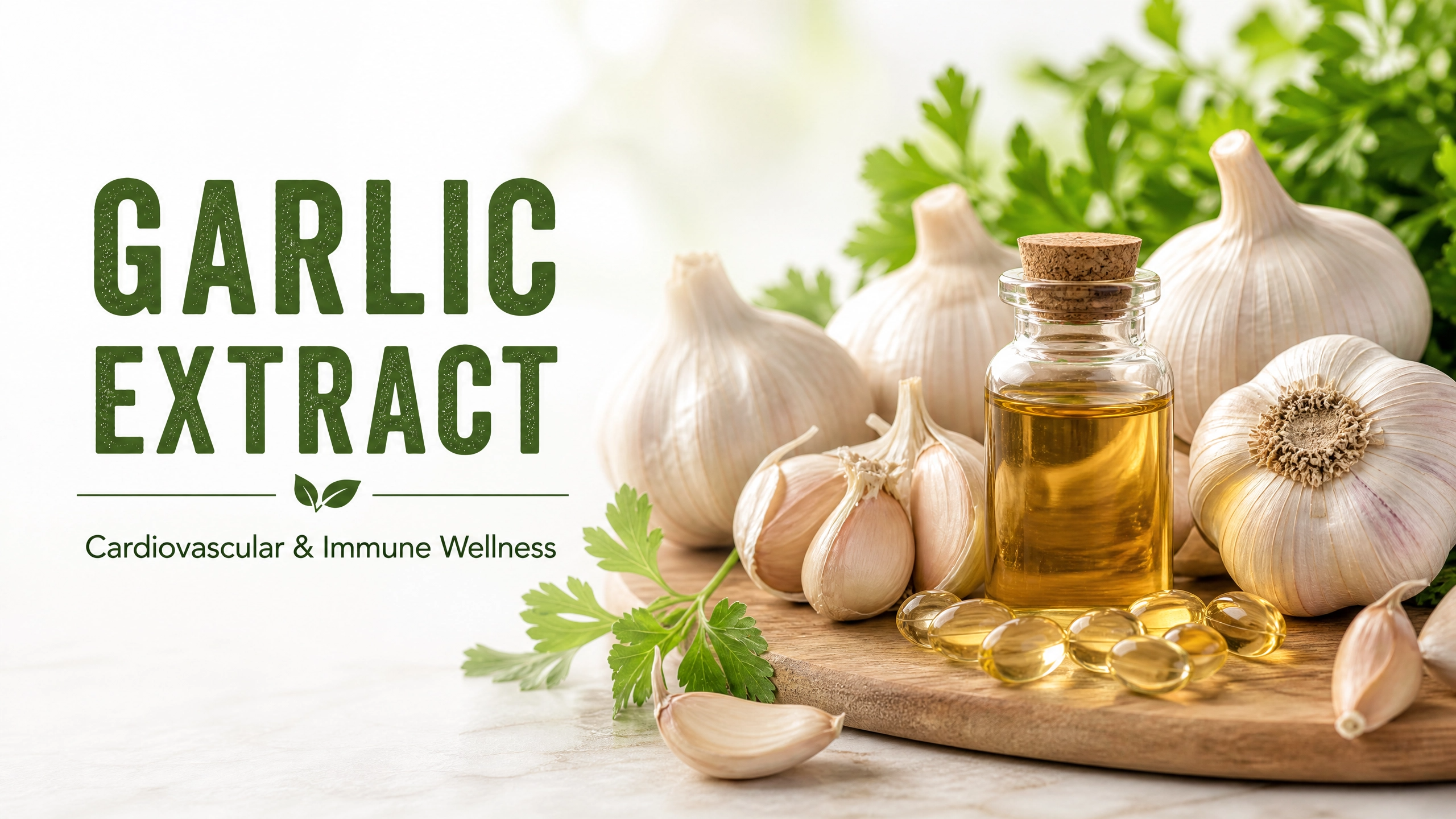
Unlock Heart & Immune Health with Garlic Extract
Unlocking Nature’s Pharmacy: Garlic Extract for Cardiovascular and Immune Wellness
At HealthMedHub, we believe in the power of evidence-based natural therapies. Among the most researched and revered botanicals in the world is Allium sativum—Garlic. While fresh garlic has been a culinary and medicinal staple for millennia, Garlic Extract represents a concentrated, standardized, and often more bioavailable form of its active compounds. This article focuses exclusively on the clinically validated mechanisms by which Garlic Extract supports cardiovascular health and immune function, separating fact from folklore.
The Bioactive Powerhouse: Allicin and Beyond
The therapeutic potential of Garlic Extract hinges on its sulfur-containing compounds. When garlic is crushed or processed, the enzyme alliinase converts the precursor alliin into allicin (diallyl thiosulfinate). Allicin is the primary, transient compound responsible for garlic’s signature odor and many of its acute biological effects. However, because allicin is unstable, high-quality extracts are often standardized for allicin potential (the capacity to generate allicin) or for other stable, active metabolites like S-allyl cysteine (SAC) , ajoene, and diallyl disulfide (DADS) .
Quality Note: For consistent cardiovascular and immune benefits, look for aged garlic extract (AGE) or enteric-coated garlic powder supplements that protect allicin from stomach acid.
Garlic Extract and Cardiovascular Wellness
The evidence for garlic’s cardioprotective role is robust, with hundreds of clinical trials and meta-analyses published. The primary mechanisms involve modulation of blood pressure, lipid profiles, platelet function, and vascular health.
1. Blood Pressure Regulation
Mechanism: Garlic-derived hydrogen sulfide (H₂S) and nitric oxide (NO) signaling promote vasodilation, relaxing the inner muscles of blood vessels and improving blood flow. This reduces peripheral resistance.
Clinical Evidence: A landmark 2013 meta-analysis in The Journal of Clinical Hypertension analyzed 20 trials and found that garlic preparations (including powdered extract) significantly reduced systolic blood pressure (SBP) by an average of 4.6 mmHg and diastolic blood pressure (DBP) by 2.8 mmHg compared to placebo. In individuals with hypertension, the reductions were more pronounced: SBP -8.4 mmHg and DBP -5.6 mmHg.
Practical Application: Garlic Extract is not a replacement for prescribed antihypertensives, but it serves as a potent adjunct for mild-to-moderate hypertension support.
2. Lipid Profile Modulation
Mechanism: S-allyl cysteine (SAC) and other organosulfur compounds inhibit the activity of HMG-CoA reductase (the same enzyme targeted by statins) and suppress cholesterol synthesis in the liver. They also enhance fecal excretion of bile acids, forcing the body to use cholesterol to create new bile.
Clinical Evidence: A 2016 meta-analysis in Medicine that included 39 trials found that garlic extract supplementation led to significant reductions in:
- Total cholesterol: –17.0 mg/dL (average)
- LDL (“bad”) cholesterol: –9.0 mg/dL
- Triglycerides: –5.0 mg/dL
Crucial Caveat: The effect on HDL (“good”) cholesterol was inconsistent, with many studies showing a modest increase (average +3.5 mg/dL).
3. Anti-Platelet Aggregation and Fibrinolysis
Mechanism: Compounds like ajoene and allicin inhibit thromboxane A2 formation and suppress platelet aggregation via the arachidonic acid pathway. This is similar in principle to low-dose aspirin.
Clinical Evidence: Human studies show that garlic extract supplementation reduces platelet aggregation by 10-30% after 2-4 weeks. This effect contributes to a lowered risk of thrombotic events like heart attacks and strokes.
Important: If you are already taking anticoagulant or antiplatelet medications (e.g., warfarin, aspirin, clopidogrel), consult your healthcare provider before adding high-dose garlic extract.
4. Vascular Protection and Antioxidant Activity
Garlic extract reduces vascular inflammation by decreasing levels of CRP (C-reactive protein) and homocysteine. It also enhances the activity of endogenous antioxidant enzymes like superoxide dismutase (SOD) and glutathione peroxidase, protecting LDL cholesterol from oxidation—a key step in atherosclerosis formation.
Garlic Extract and Immune Wellness
Garlic has long been called “nature’s antibiotic.” While it is not a direct substitute for antibiotics, its immunomodulatory and antimicrobial properties offer valuable support for the immune system.
1. Enhanced White Blood Cell Activity
Mechanism: Allicin and its derivatives stimulate key immune cells, including macrophages, natural killer (NK) cells, and T-lymphocytes. Specifically, garlic extract increases:
- Phagocytosis: The ability of macrophages and neutrophils to engulf and destroy pathogens.
- Cytokine Production: Upregulation of immunostimulatory cytokines like IL-2, TNF-alpha, and interferons.
Clinical Evidence: A 2018 randomized, double-blind, placebo-controlled trial published in Clinical Nutrition found that daily supplementation with aged garlic extract (AGE, 2.56 g/day) for 90 days significantly reduced the severity of colds and flus by 61% and the number of symptom days by 26% compared to placebo. The AGE group also had a 76% reduction in the number of workdays missed due to illness.
2. Direct Antimicrobial and Antiviral Activity
Mechanism: Specifically, allicin is a potent sulfhydryl-reactive compound that can inhibit the growth of a broad spectrum of bacteria (including MRSA, E. coli, Salmonella), viruses (including rhinovirus and influenza A), and fungi (including Candida albicans). It works by disrupting the synthesis of RNA, DNA, and proteins in pathogens.
Clinical Evidence: In vitro and some human studies demonstrate that garlic extract can reduce the duration of common cold symptoms. A 2012 Cochrane Review, however, concluded that while promising, the evidence is insufficient to recommend high doses for acute treatment, but it does support a prophylactic and supportive role.
3. Gut-Immune Axis Modulation
Emerging research indicates that garlic extract acts as a prebiotic, promoting the growth of beneficial gut bacteria like Lactobacillus and Bifidobacterium. Since approximately 70% of the immune system resides in the gut-associated lymphoid tissue (GALT), supporting a healthy microbiome is a fundamental immune strategy.
How to Use Garlic Extract for Specific Goals
For consistent, measurable results, fresh garlic is not as reliable as a standardized extract. Consider these evidence-based protocols:
| Goal | Recommended Form | Typical Dosage | Duration |
|---|---|---|---|
| Blood Pressure/Lipids | Enteric-coated powder (standardized to 1.3% alliin) or Aged Garlic Extract (AGE) | 600-1,200 mg/day | At least 12 weeks |
| General Immune Support | Aged Garlic Extract (AGE) | 600-2,400 mg/day | 3-6 months during cold season |
| Cold/Flu Prophylaxis | Fresh garlic extract (allicin-standardized) | 500 mg (allicin potential) daily | During high-risk periods |
Note: Start with a lower dose to assess tolerance.
Potential Side Effects & Precautions
While generally safe, garlic extract is not without cautions, particularly in therapeutic doses:
- Allergic Reactions: Rash, asthma, or anaphylaxis—rare but possible. Discontinue use immediately.
- Gastrointestinal Distress: Heartburn, nausea, flatulence, and diarrhea are the most common side effects, especially with raw garlic or non-enteric-coated extracts.
- Body Odor & Halitosis: Caused by the release of sulfurous gases through the lungs and skin. Aged Garlic Extract is typically “odor-free” and better tolerated.
- Bleeding Risk: High doses (≥1,200 mg/day) can inhibit platelet aggregation and potentiate the effects of anticoagulant/antiplatelet drugs. Stop supplementation 1-2 weeks before elective surgery.
- Hypotension: Garlic can lower blood pressure. Caution is advised if you are on antihypertensives.
- Drug Interactions: Can interact with saquinavir (antiviral), warfarin, and some protease inhibitors. Always consult a clinician.
- Pregnancy & Lactation: Dietary amounts are safe, but therapeutic extract doses have not been studied extensively. Use only under professional supervision.
Summary: A Potent, Clinically Supported Adjunct
Garlic Extract stands as a compelling, low-cost, and evidence-based tool for supporting both cardiovascular function and immune resilience. By modulating blood pressure, improving lipid profiles, and inhibiting platelet aggregation, it addresses three key pillars of heart health. Simultaneously, its ability to enhance white blood cell activity and exert direct antimicrobial effects makes it a valuable ally for the immune system.
When choosing a product, prioritize standardized allicin content or aged garlic extract from reputable manufacturers to ensure potency, stability, and reduced side effects. As with all supplements, it is a component of a healthy lifestyle—not a substitute for it.
*Medical Disclaimer: The content provided on