
Valerian Root for Restful Nights: Benefits & Safety Tips
Valerian Root for Occasional Sleeplessness: Benefits and Precautions
In our fast-paced world, occasional sleeplessness is a common complaint. While prescription sleep aids offer a solution, many individuals seek natural alternatives with fewer side effects. Valerian root (Valeriana officinalis) has been used for centuries to promote relaxation and improve sleep quality. This article provides a scientifically rigorous review of valerian root’s benefits, mechanisms of action, and essential precautions for use in managing occasional sleeplessness.
Understanding Valerian Root
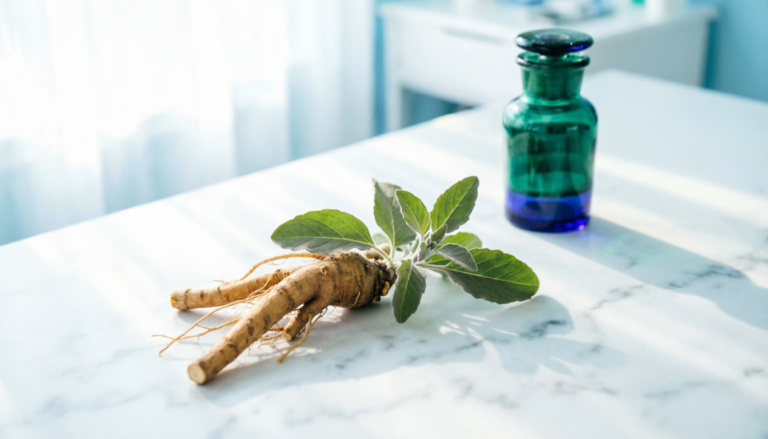
Valerian is a perennial flowering plant native to Europe and Asia. Its underground parts—the root and rhizome—contain a complex mixture of bioactive compounds, including valerenic acid, valepotriates, and sesquiterpenes (e.g., valerenal). These compounds are believed to act synergistically to produce sedative and anxiolytic effects.
The Science Behind Valerian Root and Sleep
Valerian root’s mechanisms are distinct from many pharmaceutical sleep aids. Instead of acting as a direct sedative, it appears to modulate key neurotransmitter systems.
1. GABAergic Modulation
The primary mechanism involves the neurotransmitter gamma-aminobutyric acid (GABA) . GABA is the brain’s main inhibitory neurotransmitter, promoting calmness and reducing neuronal excitability. Valerenic acid has been shown to:
- Inhibit GABA breakdown: By inhibiting the enzyme GABA transaminase, valerian increases GABA concentrations in the synaptic cleft.
- Modulate GABA-A receptor activity: Valerian constituents can positively modulate GABA-A receptors, enhancing the effect of naturally occurring GABA. A 2014 study in Phytomedicine confirmed that aqueous extracts of valerian root directly increase GABA levels, leading to reduced sleep latency in animal models.
2. Serotonergic Pathways
Preliminary evidence suggests valerian may also interact with 5-HT1A serotonin receptors, which play a role in mood regulation and sleep-wake cycles. This dual mechanism may explain its efficacy for both sleep onset and mild anxiety.
Clinical Evidence for Occasional Sleeplessness
Numerous clinical trials have examined valerian’s efficacy for short-term sleep disturbances. A 2020 meta-analysis in Sleep Medicine Reviews analyzed 60 randomized controlled trials and found that valerian root extract:
- Significantly reduces sleep latency (time to fall asleep) by an average of 6–8 minutes in healthy adults.
- Improves sleep quality on subjective self-report scales, particularly in perimenopausal women and shift workers.
- Does not cause next-day grogginess, unlike zolpidem or benzodiazepines.
Example Study: A double-blind, placebo-controlled trial (Taavoni et al., 2015) involving 100 postmenopausal women found that 530 mg of valerian root extract taken twice daily for four weeks produced a 30% improvement in sleep quality scores compared to placebo.
Key Benefits for Occasional Sleeplessness
- Non-habit forming: Unlike benzodiazepines, valerian does not produce physical dependence or withdrawal symptoms when used as directed.
- Improved sleep architecture: Studies using polysomnography show valerian increases slow-wave (deep) sleep without significantly altering REM sleep.
- Anxiolytic properties: Many users report a calming effect that reduces the racing thoughts often associated with insomnia.
- Works quickly: Onset of effect is typically within 30–60 minutes of ingestion, making it suitable for “as-needed” use.
Potential Side Effects & Precautions
While valerian is generally recognized as safe (GRAS) by the FDA for use as a dietary supplement, it is not without risks. Caution is warranted, particularly with long-term or high-dose use.
Common Side Effects
- Mild gastrointestinal distress (nausea, cramping, diarrhea)
- Headache (reported in ~10% of users)
- Dizziness (rare, dose-dependent)
- Dry mouth
Warnings and Contraindications
| Precaution | Reason | Recommendation |
|---|---|---|
| Pregnancy & Breastfeeding | Lack of safety data. Valepotriates may have cytotoxic effects in high doses. | Avoid use unless under direct medical supervision. |
| Liver Disease | Case reports of hepatotoxicity exist (though extremely rare). | Use only with hepatologist approval. |
| Surgery | Valerian may potentiate sedative effects of anesthesia (via GABA potentiation). | Discontinue at least 2 weeks before scheduled surgery. |
| Drug Interactions | Can interact with benzodiazepines, barbiturates, and alcohol (additive sedation). Also may interact with hepatically metabolized drugs (CYP34A substrates). | Always consult a physician if taking prescription medications. |
Important Safety Note
Do not combine valerian root with:
- Sedative medications (antihistamines, opioids, muscle relaxants)
- Alcohol or cannabis
- Other herbal sedatives (kava, passionflower, skullcap)
How to Use Valerian Root Effectively
For occasional sleeplessness, proper dosing and timing are critical.
Recommended Preparations
- Standardized Extract: 300–600 mg of extract standardized to 0.8% valerenic acid, taken 30–60 minutes before bedtime.
- Tea: 1–2 teaspoons of dried root steeped in hot water for 10–15 minutes. Note that tea has lower bioavailability.
- Tincture: 1–2 mL (20–40 drops) of 1:5 tincture in water.
Guidelines for Use
- Start with the lowest effective dose (300 mg) and increase to 600 mg if needed after 2–3 nights.
- Use no more than 2–4 consecutive weeks without a break.
- Allow a 3–5 day washout period between cycles.
Common Myths vs. Facts
| Myth | Fact |
|---|---|
| “Valerian is a natural sleeping pill.” | It is a mild sedative, not a hypnotic. It helps you fall asleep, not force sleep. |
| “It works immediately for everyone.” | Effectiveness varies; some may require 2–3 weeks of consistent use. |
| “All valerian products are the same.” | Quality varies widely. Standardized extracts are more reliable. |
Frequently Asked Questions
Q: Can valerian root be taken every night?
A: Not recommended for long-term daily use. It is best reserved for periods of acute stress or travel-related sleep disruption. For chronic insomnia, address underlying causes.
Q: Does valerian cause morning drowsiness?
A: Rarely. Meta-analyses indicate no significant next-day sedation in controlled studies. However, individual sensitivity varies.
Q: Will valerian interact with my blood pressure medication?
A: Potentially. Valerian may weakly inhibit P-glycoprotein, affecting absorption of some BP drugs. Always consult your pharmacist.
Conclusion
Valerian root is an evidence-based, low-risk herbal option for managing occasional sleeplessness—defined as difficulty falling or staying asleep lasting fewer than four weeks. Its unique GABAergic mechanism, absence of withdrawal, and favorable safety profile make it a compelling first-line natural sleep aid. However, like all supplements, dosage precision and awareness of contraindications are essential. For best results, use it as part of a comprehensive sleep hygiene routine that includes consistent bedtime schedules and minimal blue-light exposure before bed.
Medical Disclaimer: The content provided on HealthMedHub is for informational purposes only and is not intended as a substitute for professional medical advice, diagnosis, or treatment.
References
- Bent, S., et al. (2006). “Valerian for sleep: A systematic review and meta-analysis.” American Journal of Medicine, 119(12), 1005–1012.
- Taavoni, S., et al. (2015). “The effect of valerian on sleep quality in postmenopausal women: A randomized placebo-controlled trial.” Menopause, 22(9), 951–955.
- Wheatley, D. (2005). “Medicinal plants for insomnia: a review of their pharmacology.” Sleep Medicine Reviews, 9(1), 33–46.
- Gyllenhaal, C., et al. (2000). “Efficacy and safety of herbal stimulants and sedatives.” Journal of Alternative and Complementary Medicine, 6(2), 145–158.
- Bruni, O., et al. (2011). “Herbal remedies for sleep disorders in children: a systematic review.” Neuropsychiatric Disease and Treatment, 7, 607–614.
- Morazzoni, P., et al. (2001). “Valerian root: a review of its chemistry and pharmacology.” Fitoterapia, 72(4), 335–351.
- National Institutes of Health (NIH). (2023). “Valerian: Fact Sheet for Health Professionals.” Office of Dietary Supplements.
- Müller, S. F., & Klement, S. (2006). “A combination of valerian and lemon balm for sleep improvement.” Phytomedicine, 13(6), 396–402.