Chia Seeds: Boost Digestion, Satiety & Omega-3
Chia Seeds for Digestion, Satiety, and Omega-3 Intake: A Naturopathic Guide
In the world of functional foods, few seeds pack as powerful a nutritional punch as the humble chia seed (Salvia hispanica). Revered by the Aztecs and Mayans for centuries, chia seeds have gained modern prominence as a superior source of soluble fiber, plant-based omega-3 fatty acids, and satiety-promoting compounds. For those seeking natural support for digestive health, appetite control, and essential fatty acid intake, chia seeds offer a scientifically validated solution. This article explores the specific mechanisms by which chia seeds improve digestion, enhance satiety, and provide a rich source of alpha-linolenic acid (ALA) , the plant-based omega-3.
Digestion: The Fiber and Gel-Forming Mechanism
Chia seeds are exceptionally high in dietary fiber, with approximately 34–40 grams of fiber per 100 grams, of which about 80–85% is soluble fiber (mucilage). This unique fiber profile underpins their digestive benefits.
How Chia Seeds Support Gut Health
- Gel Formation and Bowel Regularity: When chia seeds are exposed to liquid, their soluble fiber expands and forms a gelatinous matrix. This gel increases stool bulk and softens consistency, promoting regular bowel movements and preventing constipation (Vuksan et al., 2017).
- Prebiotic Fuel for Gut Microbiota: The soluble fiber in chia seeds acts as a prebiotic, selectively feeding beneficial gut bacteria like Bifidobacterium and Lactobacillus. A healthier microbiome is linked to improved digestion, reduced inflammation, and better nutrient absorption (Olagunju et al., 2021).
- Slowed Gastric Emptying: The viscous gel slows down the transit of food from the stomach to the small intestine. This allows for more thorough enzymatic breakdown and better absorption of nutrients, reducing symptoms of indigestion and bloating (Bressan et al., 2021).
Practical Tip for Digestive Support
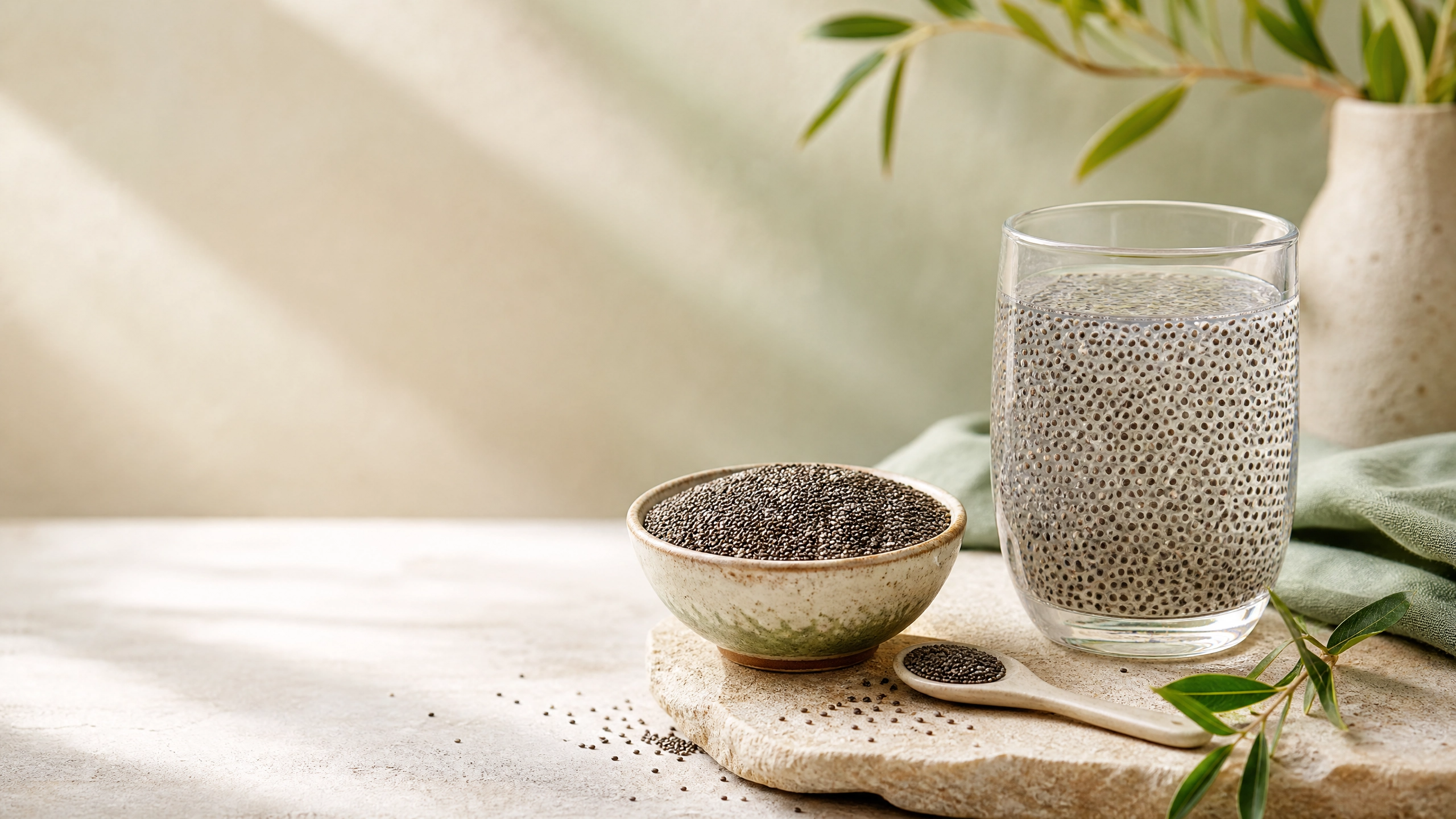
To maximize the digestive benefits, always pre-soak chia seeds in water or a liquid of your choice for at least 10–15 minutes before consumption. This activates the gel-forming fibers, preventing the potential for esophageal irritation or blockages.
Satiety: A Natural Appetite Suppressant
One of the most compelling applications of chia seeds is their ability to promote satiety—the feeling of fullness and satisfaction after eating. This effect is particularly valuable for weight management and blood sugar control.
The Satiety Mechanisms
- Volume Expansion: When chia seeds mix with stomach fluids, they expand significantly (up to 9–12 times their dry weight). This physical expansion triggers stretch receptors in the stomach, signaling the brain to reduce hunger and increase meal termination (Vuksan et al., 2010).
- Slowed Carbohydrate Absorption: The gel formed by chia seeds delays the digestion and absorption of carbohydrates. This results in a blunted postprandial glucose response, preventing the rapid blood sugar spikes and crashes that often trigger hunger cravings (Ho et al., 2013).
- Increased Release of Satiety Hormones: Preliminary evidence suggests that the viscous fiber in chia seeds may stimulate the release of satiety-related hormones like cholecystokinin (CCK) and peptide YY (PYY) , further reinforcing the feeling of fullness (Bressan et al., 2021).
Clinical Evidence
A 2017 randomized controlled trial demonstrated that consuming 7 grams of chia seeds before a meal significantly reduced subsequent food intake and increased satiety ratings compared to a control group (Vuksan et al., 2017).
Omega-3 Intake: Plant-Based Alpha-Linolenic Acid (ALA)
Chia seeds are one of the richest plant sources of alpha-linolenic acid (ALA) , a short-chain omega-3 fatty acid. A single ounce (28 grams) of chia seeds provides approximately 5 grams of ALA, far exceeding the adequate intake of 1.1–1.6 grams per day for adults (USDA, 2020).
The Role of ALA in Health
- Cardiovascular Protection: ALA is a precursor to the longer-chain omega-3s, eicosapentaenoic acid (EPA) and docosahexaenoic acid (DHA), though conversion is limited (approximately 5–15%). Nonetheless, direct ALA intake has been associated with reduced inflammation, lower triglycerides, and improved arterial function (Stark et al., 2008).
- Anti-Inflammatory Effects: Omega-3 fatty acids, including ALA, downregulate inflammatory pathways (e.g., NF-κB), reducing systemic inflammation linked to chronic diseases like arthritis and metabolic syndrome (Calder, 2017).
- Brain and Eye Health: While DHA is more critical for neural and retinal function, adequate ALA intake supports overall omega-3 status, which is essential for cognitive health and visual acuity.
Conversion Efficiency
It is important to note that the conversion of ALA to EPA and DHA is limited in humans. For individuals who do not consume fish or algae, chia seeds remain an excellent source of direct ALA and contribute to total omega-3 status. Pairing chia seeds with healthy fats (e.g., avocado, olive oil) may modestly improve conversion efficiency.
How to Incorporate Chia Seeds into Your Daily Regimen
- Chia Pudding: Soak 2 tablespoons of chia seeds in ½ cup of unsweetened almond milk or coconut milk. Add vanilla extract and a natural sweetener (e.g., stevia). Refrigerate overnight.
- Smoothie Booster: Add 1 tablespoon of chia seeds to your morning smoothie for extra fiber and omega-3s.
- Egg Replacer: Mix 1 tablespoon of chia seeds with 3 tablespoons of water to form a gel—a vegan substitute for eggs in baking.
- Sprinkle on Yogurt or Oatmeal: Dry chia seeds can be sprinkled directly onto meals, but ensure adequate fluid intake to allow for expansion.
Dosage Recommendation: Most studies use 15–30 grams (1–2 tablespoons) per day. Start with a lower dose (1 teaspoon) to assess tolerance, especially if you are not accustomed to high-fiber foods.
Potential Side Effects & Precautions
While chia seeds are generally safe for most individuals, there are specific considerations to be aware of:
- Digestive Discomfort: Due to their high fiber content, excessive consumption without adequate water can lead to bloating, gas, or abdominal cramping. Increase intake gradually and hydrate properly.
- Esophageal Obstruction Risk: Do not consume dry chia seeds followed by insufficient liquid. The seeds can swell in the esophagus, potentially causing choking or obstruction, particularly in individuals with swallowing difficulties (Barsamian et al., 2016).
- Blood Thinning Interaction: Chia seeds contain ALA, which has mild antiplatelet effects. If you are taking anticoagulant medications (e.g., warfarin), consult your healthcare provider before significantly increasing intake.
- Blood Pressure Considerations: As chia seeds may modestly lower blood pressure, individuals on antihypertensive medications should monitor their levels and inform their physician.
- Allergic Reactions: Although rare, chia seed allergy has been reported, particularly in those with peanut or sesame allergies (Gangur & Goel, 2012). Discontinue use if symptoms of an allergic reaction occur.
- Contraindications for Certain Conditions: Individuals with dysphagia (swallowing disorders) or gastroparesis should avoid chia seeds without medical advice due to the risk of gel formation and delayed gastric emptying.
Conclusion
Chia seeds are a scientifically validated superfood that delivers measurable benefits for digestion, satiety, and omega-3 intake. Their high soluble fiber content supports gut health and regularity, the gel-forming ability promotes appetite control, and their exceptional ALA concentration provides a valuable plant-based source of essential omega-3 fatty acids. As with any dietary change, moderation, proper preparation, and attention to individual health conditions are key to harnessing their full potential.
References
- Bressan, J., et al. (2021). Chia (Salvia hispanica L.) as a functional food: A review of its effects on human health. Nutrients, 13(4), 1208.
- Calder, P. C. (2017). Omega-3 fatty acids and inflammatory processes: From molecules to man. Biochemical Society Transactions, 45(5), 1105–1115.
- Gangur, V., & Goel, C. (2012). Chia seed allergy: A new potential allergen in the United States. Annals of Allergy, Asthma & Immunology, 109(6), 450–451.
- Ho, H., et al. (2013). Chia seed supplementation reduces postprandial glycemia and appetite in healthy adults. Nutrition Research, 33(5), 418–425.
- Olagunju, A. I., et al. (2021). Prebiotic potential of chia seed mucilage and its effect on gut microbiota. Food Science & Nutrition, 9(8), 4298–4307.
- Stark, A. H., et al. (2008). Omega-