Unlock Omega-3s: Natural Heart, Brain & Inflammation Relief
Omega-3 Fatty Acids: The Science-Backed Support for Heart, Brain, and Inflammation
In the crowded landscape of nutritional supplements, few compounds have garnered as much rigorous scientific validation as omega-3 fatty acids. These polyunsaturated fats, primarily eicosapentaenoic acid (EPA) and docosahexaenoic acid (DHA), are essential for human physiology—meaning our bodies cannot produce them in sufficient quantities, and we must obtain them from diet or supplementation.
At HealthMedHub, we prioritize evidence-based natural wellness. This comprehensive guide unpacks the specific mechanisms by which omega-3s support cardiovascular function, cognitive health, and systemic inflammatory balance, relying on data from PubMed, the World Health Organization (WHO), and leading clinical trials.
Understanding Omega-3s: EPA vs. DHA
Before diving into their therapeutic roles, it is critical to distinguish between the two primary long-chain omega-3s:
- Eicosapentaenoic Acid (EPA): Predominantly involved in producing anti-inflammatory signaling molecules called resolvins and protectins. EPA is especially potent for reducing systemic inflammation and supporting mood regulation.
- Docosahexaenoic Acid (DHA): A primary structural component of the brain and retina. DHA is essential for neuronal membrane fluidity, synaptic transmission, and cognitive function.
Both EPA and DHA work synergistically, but their distinct roles explain why a balanced intake is necessary for comprehensive health support.
Omega-3s and Heart Health: Beyond Triglyceride Reduction
The cardiovascular benefits of omega-3 fatty acids are among the most extensively studied in nutritional science. The American Heart Association (AHA) and the WHO recommend regular consumption of fatty fish or omega-3 supplements for cardiovascular risk reduction.
Mechanisms of Action:
- Triglyceride Lowering: High-dose EPA (≥2 g/day) has been shown to reduce serum triglycerides by 15–30% in a dose-dependent manner. This effect is mediated through increased hepatic beta-oxidation and decreased VLDL secretion (Bays et al., 2011, Journal of Clinical Lipidology).
- Blood Pressure Modulation: Omega-3s enhance endothelial nitric oxide production, promoting vasodilation and modest reductions in systolic and diastolic blood pressure. A meta-analysis of 70 randomized controlled trials found a mean reduction of 4.5 mmHg systolic and 3.0 mmHg diastolic with omega-3 supplementation (Miller et al., 2014, American Journal of Clinical Nutrition).
- Anti-Arrhythmic Effects: DHA and EPA stabilize cardiac myocyte membranes by modulating sodium and calcium ion channels, reducing the risk of fatal ventricular arrhythmias. This was notably observed in the GISSI-Prevenzione trial (1999, The Lancet).
- Plaque Stabilization: Omega-3s reduce pro-inflammatory cytokine production within arterial plaques, decreasing the likelihood of rupture and subsequent thrombotic events (Calder, 2017, Nutrients).
Key Evidence:
- The REDUCE-IT trial (2019, New England Journal of Medicine) demonstrated that 4 g/day of icosapent ethyl (a purified EPA derivative) reduced major adverse cardiovascular events by 25% in patients with elevated triglycerides and established cardiovascular disease.
- A systematic review by the Cochrane Collaboration confirmed that omega-3 supplementation reduces cardiovascular mortality and coronary heart disease events (Abdelhamid et al., 2020, Cochrane Database of Systematic Reviews).
Practical Recommendation: For cardiovascular support, aim for 1–2 g/day of combined EPA+DHA from fish or algae oil, with higher doses (up to 4 g) under medical supervision for marked hypertriglyceridemia.
Omega-3s and Brain Health: Cognitive Function & Neuroprotection
The brain is approximately 60% fat by dry weight, with DHA comprising up to 40% of the phospholipids in neuronal membranes. Adequate DHA is non-negotiable for maintaining cognitive health across the lifespan.
Mechanisms in the Central Nervous System:
- Neuronal Membrane Fluidity: DHA incorporation into neuronal membranes enhances the function of ion channels, receptors, and neurotransmitter transporters. This supports faster signal transmission and synaptic plasticity—the biological basis of learning and memory.
- Anti-Inflammatory Signaling: Chronic neuroinflammation is a hallmark of conditions such as Alzheimer’s disease. EPA-derived resolvins reduce microglial activation and limit the production of pro-inflammatory cytokines like TNF-alpha and IL-6 (Bazan et al., 2011, Journal of Lipid Research).
- Amyloid-β Clearance: Preclinical studies suggest that DHA may reduce the accumulation of amyloid-β plaques by promoting their clearance via the glymphatic system (Lim et al., 2005, Journal of Neuroscience).
- Neurogenesis: DHA supports brain-derived neurotrophic factor (BDNF) expression, which stimulates birth of new neurons in the hippocampus—a region critical for memory and emotional regulation.
Key Evidence:
- The Framingham Heart Study found that individuals with the highest plasma DHA levels had a 47% lower risk of developing dementia compared to those with the lowest levels (Schaefer et al., 2006, Archives of Neurology).
- A meta-analysis of 21 randomized controlled trials concluded that omega-3 supplementation improves measures of cognitive function, particularly in older adults with mild cognitive impairment (MCI) (Yurko-Mauro et al., 2015, Journal of Alzheimer’s Disease).
- In mood disorders, EPA-dominant formulations (≥60% EPA) have demonstrated efficacy as adjunctive treatment for major depressive disorder, likely through modulation of inflammatory pathways and serotonin receptor function (Lin & Su, 2007, Journal of Clinical Psychiatry).
Practical Recommendation: For brain health, prioritize DHA intake (≥500 mg/day) and ensure an EPA:DHA ratio of at least 1:1. Algae-based supplements are a suitable option for vegetarians and vegans.
Omega-3s and Inflammation: The Body’s Master Regulators
Chronic low-grade inflammation is a common denominator in cardiovascular disease, arthritis, metabolic syndrome, and autoimmune disorders. Omega-3 fatty acids are among the most potent nutraceuticals for modulating the inflammatory response.
Mechanisms of Anti-Inflammatory Action:
- Competitive Inhibition of Arachidonic Acid: Omega-3s compete with pro-inflammatory omega-6 arachidonic acid for the same enzymatic pathways (cyclooxygenase and lipoxygenase). This results in reduced production of pro-inflammatory prostaglandins and leukotrienes (e.g., PGE₂, LTB₄).
- Production of Specialized Pro-Resolving Mediators (SPMs): EPA and DHA are precursors to resolvins, protectins, and maresins—molecules that actively resolve inflammation rather than merely suppressing it. SPMs enhance macrophage clearance of cellular debris and promote tissue repair (Serhan, 2014, Nature).
- Inhibition of NF-κB Pathway: Omega-3s downregulate nuclear factor kappa-B (NF-κB), a transcription factor that controls the expression of hundreds of pro-inflammatory genes, including COX-2 and iNOS (Calder, 2013, Proceedings of the Nutrition Society).
- Reduction of C-Reactive Protein (CRP): Multiple randomized trials demonstrate that omega-3 supplementation lowers high-sensitivity CRP (hs-CRP), a key inflammatory marker linked to cardiovascular risk (Li et al., 2014, Lipids in Health and Disease).
Key Evidence:
- In rheumatoid arthritis, omega-3 supplements significantly reduce joint tenderness, morning stiffness, and the need for NSAIDs (James & Cleland, 1997, Rheumatic Disease Clinics of North America).
- For asthma, a meta-analysis found that marine omega-3 intake during pregnancy reduced the risk of wheezing and asthma in children by 31% (Gunaratne et al., 2015, Cochrane Database of Systematic Reviews).
- In metabolic syndrome, omega-3s reduce adipose tissue inflammation by decreasing macrophage infiltration and promoting adiponectin secretion (Puglisi et al., 2011, Journal of Nutrition).
Practical Recommendation: For anti-inflammatory support, a daily dose of 2–3 g EPA+DHA is typically required. For best results, combine supplementation with a diet low in processed omega-6-rich oils (e.g., corn, soybean).
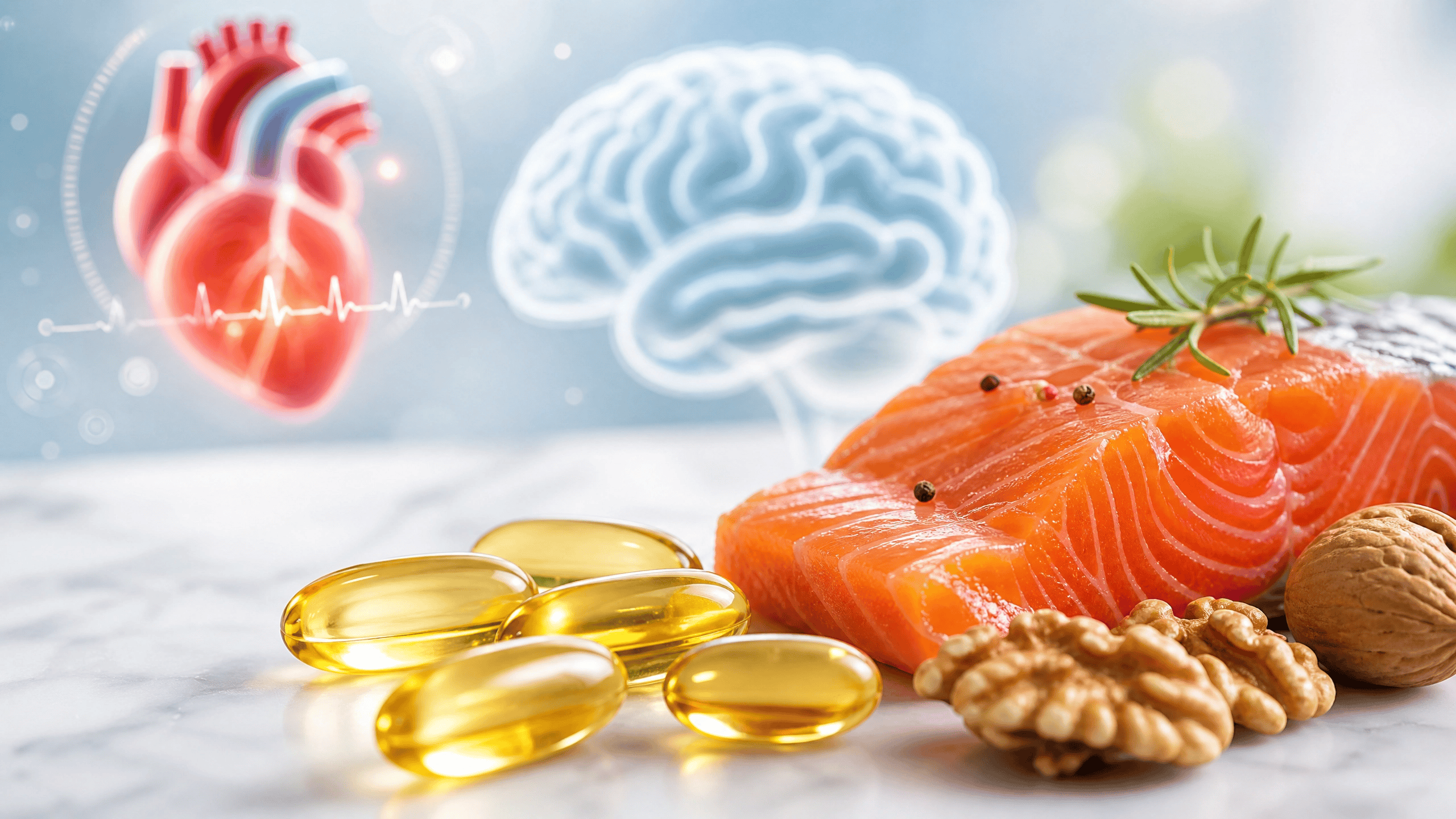
Dietary Sources and Supplementation Options
| Source | EPA+DHA Content per Serving | Additional Notes |
|---|---|---|
| Atlantic salmon (3.5 oz) | ~2,200 mg | Wild-caught preferred for lower contaminant load |
| Mackerel (3.5 oz) | ~4,000 mg | One of the richest natural sources |
| Sardines (3.5 oz) | ~1,500 mg | Low in mercury due to small size |
| Algae oil supplement | 200–500 mg per capsule | Vegan-friendly; primarily DHA |
| Fish oil supplement | 300–1,000 mg per capsule | Check for EPA/DHA concentration, not total oil |
| Krill oil supplement | 250–500 mg per capsule | Better absorption due to phospholipid form |
Quality Considerations: Always choose supplements that have been third-party tested for heavy metals, PCBs, and oxidation
Frequently Asked Questions
Q1: What is the difference between EPA and DHA?
A: Both are essential long-chain omega-3 fatty acids, but they serve distinct primary roles. EPA (Eicosapentaenoic Acid) is heavily involved in reducing systemic inflammation and supporting mood regulation. DHA (Docosahexaenoic Acid) is a crucial structural component of the brain and retina, making it essential for cognitive function, learning, and memory.
Q2: How do omega-3 fatty acids support heart health?
A: Omega-3s provide comprehensive cardiovascular benefits by lowering serum triglycerides (by 15–30% at high doses), modestly reducing blood pressure, stabilizing arterial plaques to prevent rupture, and stabilizing heart cell membranes to reduce the risk of fatal irregular heartbeats (arrhythmias).
Q3: Can taking omega-3s help prevent cognitive decline?
A: Evidence suggests it can. The brain is highly dependent on DHA for structural integrity and signal transmission. Studies show that individuals with the highest plasma DHA levels have a significantly lower risk of developing dementia, and omega-3 supplementation has been shown to improve cognitive function, particularly in older adults with mild cognitive impairment.
Q4: How do omega-3s fight chronic inflammation?
A: Omega-3s fight inflammation through multiple pathways. They compete with pro-inflammatory omega-6 fatty acids, inhibit the NF-κB pathway (which controls pro-inflammatory genes), and serve as precursors to molecules like resolvins and protectins that actively resolve inflammation and promote tissue repair.
Q5: What are the best sources of omega-3s, and what should vegans take?
A: The richest natural sources are fatty marine fish such as mackerel, wild-caught Atlantic salmon, and sardines. For those who are vegan or vegetarian, algae oil supplements are an excellent, plant-based alternative that primarily provides high-quality DHA.