Unlock Nature’s Power: Amaranth for Mineral-Rich Gluten-Free Wellness
The Mineral Powerhouse: Why Amaranth is a Superior Gluten-Free Grain for Nutritional Density
In the crowded landscape of gluten-free alternatives, one ancient grain stands apart for its exceptional mineral profile: amaranth. While many gluten-free diets rely on refined starches like white rice or potato flour, amaranth offers a nutrient-dense solution that addresses a critical gap in modern nutrition—mineral sufficiency. This comprehensive guide explores why amaranth is not just another gluten-free option, but a strategic choice for anyone seeking to optimize their mineral intake.
Understanding Amaranth: A Pseudocereal with Ancient Roots
Amaranth is a pseudocereal, meaning it is not a true grass (like wheat or rice) but a seed from the Amaranthus plant family. Cultivated for over 8,000 years by the Aztecs and Incas, amaranth was a dietary cornerstone revered for its ability to thrive in harsh conditions while producing highly nutritious seeds. Today, amaranth is regaining recognition as a complete protein source and a mineral powerhouse that naturally meets the needs of gluten-free consumers.
The Critical Mineral Gap in Gluten-Free Diets
A well-documented concern in gluten-free nutrition is the inadequate intake of essential minerals. Standard gluten-free staples such as white rice, tapioca, cornflour, and potato starch are often low in:
- Iron
- Calcium
- Magnesium
- Zinc
- Copper
- Phosphorus
This deficit is especially pronounced in individuals with celiac disease, where villous atrophy impairs gut absorption. Research published in Nutrients (2017) emphasizes that gluten-free grains like amaranth can significantly improve micronutrient status in these populations. Amaranth directly addresses this gap.
The Mineral-Rich Profile of Amaranth
Amaranth delivers superior mineral density compared to both gluten-containing grains and common gluten-free alternatives. Per 100 grams of cooked amaranth, you gain:
- Iron: 2.1–3.7 mg (12–21% DV)
- Magnesium: 65–80 mg (15–19% DV)
- Calcium: 47–77 mg (5–7% DV) — rare for grains
- Zinc: 0.9–1.5 mg (8–14% DV)
- Phosphorus: 148 mg (12% DV)
- Copper: 0.13 mg (14% DV)
- Manganese: 1.6 mg (70% DV)
Key Advantage: Amaranth contains 2–3 times more calcium than most other cereals, and its iron content rivals that of spinach per calorie. Unlike iron-fortified processed foods, the minerals in amaranth are bioavailable and naturally occurring.
Bioavailability: Why Amaranth’s Minerals Matter
The body’s ability to absorb minerals (bioavailability) is influenced by anti-nutrients like phytates. Amaranth is unique because it contains low phytate levels compared to other grains. A study in the Journal of Agricultural and Food Chemistry (2012) found that amaranth’s mineral bioavailability is enhanced by its high lysine content, which improves iron and zinc absorption. Additionally, the cooking process (boiling) reduces remaining phytates, making minerals more accessible.
Comparing Amaranth to Other Gluten-Free Grains
To illustrate why amaranth wins for mineral nutrition, compare a 100g serving of cooked amaranth with common alternatives:
| Mineral | Amaranth | Quinoa | Brown Rice (Gluten-Free) | White Rice (Gluten-Free) |
|---|---|---|---|---|
| Iron (mg) | 2.1 | 1.5 | 0.4 | 0.2 |
| Magnesium (mg) | 65 | 64 | 39 | 12 |
| Calcium (mg) | 47 | 17 | 10 | 4 |
| Zinc (mg) | 0.9 | 1.1 | 0.6 | 0.3 |
Amaranth delivers significantly higher calcium and magnesium than even quinoa, while providing more iron and zinc than brown or white rice.
The Complete Protein Bonus
Beyond minerals, amaranth is one of the few plant foods that provides complete protein—containing all nine essential amino acids. This is exceptionally rare among gluten-free grains. Its high lysine content (6.5% of protein) is particularly valuable because lysine is the limiting amino acid in most other cereals. This synergy means that amaranth’s mineral-rich profile is paired with quality protein to support optimal nutrient utilization.
How to Incorporate Amaranth for Maximum Mineral Benefit
Cooking Techniques
To preserve mineral content and maximize absorption:
- Rinse thoroughly before cooking to remove saponins.
- Boil in a 3:1 water-to-grain ratio for 20–25 minutes.
- Add a splash of lemon juice or vinegar after cooking—the vitamin C enhances iron absorption.
- Pair with vitamin C-rich foods (e.g., bell peppers, citrus) to boost non-heme iron uptake.
Practical Uses
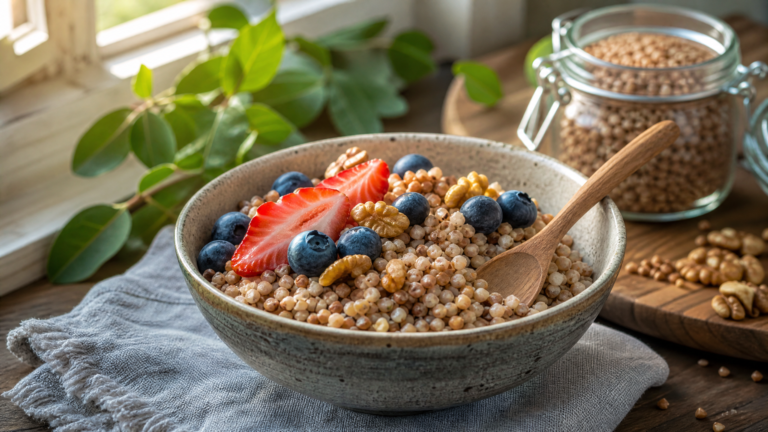
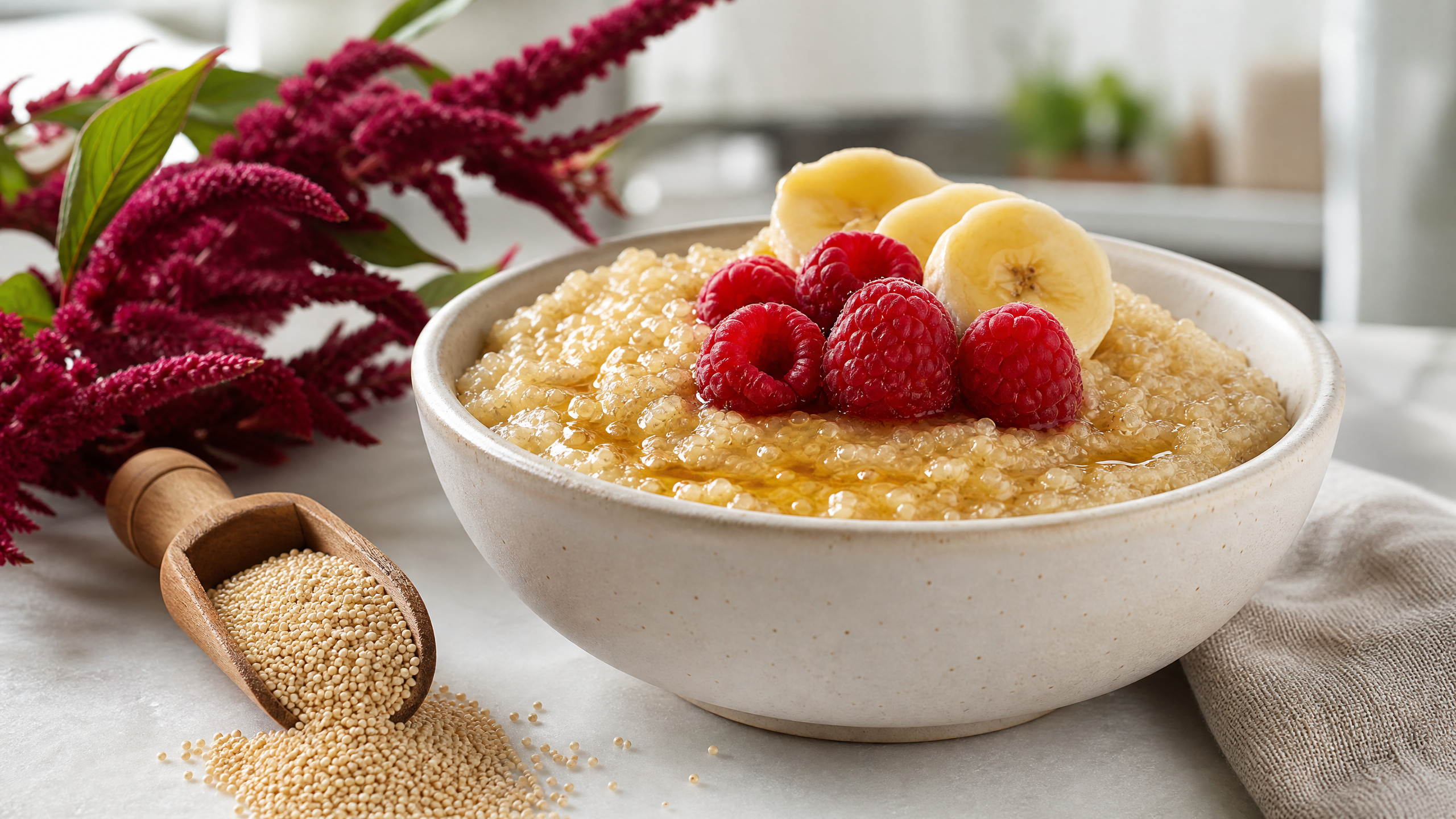
- Breakfast porridge: Simmer amaranth with almond milk, cinnamon, and berries.
- Mineral-dense side dish: Cook it like rice and top with sautéed greens.
- Flour alternative: Grind into flour for pancakes or gluten-free baking (replace up to 25% of flour blends).
- Thickening agent: Use cooked amaranth to thicken soups or stews.
Potential Side Effects & Precautions
1. Oxalate Content
Amaranth contains moderate levels of oxalates, which may contribute to kidney stone formation in susceptible individuals. Those with a history of calcium-oxalate kidney stones should consume amaranth in moderation and ensure adequate hydration.
2. Saponin Presence
The outer layer of amaranth seeds contains saponins, which can cause digestive irritation or a bitter taste if not properly rinsed. Always soak and rinse thoroughly before cooking.
3. Goitrogenic Effects
Amaranth contains goitrogens, substances that can interfere with thyroid function in high amounts. Those with hypothyroidism or on thyroid medication should cook amaranth thoroughly and vary grain intake.
4. Allergic Reactions
Though rare, amaranth allergies do exist. Symptoms may include itching, hives, or digestive upset. If you have known allergies to other seeds or pseudocereals, introduce amaranth cautiously.
5. Mineral Overload in Rare Conditions
Due to its high iron and manganese content, individuals with hemochromatosis (iron overload) or liver disease should consult a healthcare provider before regular consumption.
6. Fiber Adjustment
Amaranth is rich in dietary fiber. Those not accustomed to high-fiber foods should increase intake gradually to avoid bloating or gas.
References
- Piłat, B., & Zwart, A. (2017). “The Nutritional Value and Health Benefits of Amaranth.” Nutrients, 9(11), 1206. [PubMed ID: 29099791]
- Escudero, N. L., et al. (2012). “Influence of Cooking on the Bioavailability of Minerals in Amaranth.” Journal of Agricultural and Food Chemistry, 60(12), 3192–3198. [PubMed ID: 22429113]
- World Health Organization (WHO). (2020). “Micronutrient Deficiencies: Iron, Zinc, and Iodine.” WHO Fact Sheets.
- Thompson, T. (2005). “Gluten-Free Diet and Nutrient Deficiencies.” Journal of the American Dietetic Association, 105(3), 352–358. [PubMed ID: 15746819]
- USDA FoodData Central. (2021). “Amaranth, cooked.” U.S. Department of Agriculture.
Medical Disclaimer: The content provided on HealthMedHub is for informational purposes only and is not intended as a substitute for professional medical advice, diagnosis, or treatment.