Unlock Brain Power: Walnuts for Anti-Inflammatory Health
Walnuts for Brain Health and Anti-Inflammatory Nutrition
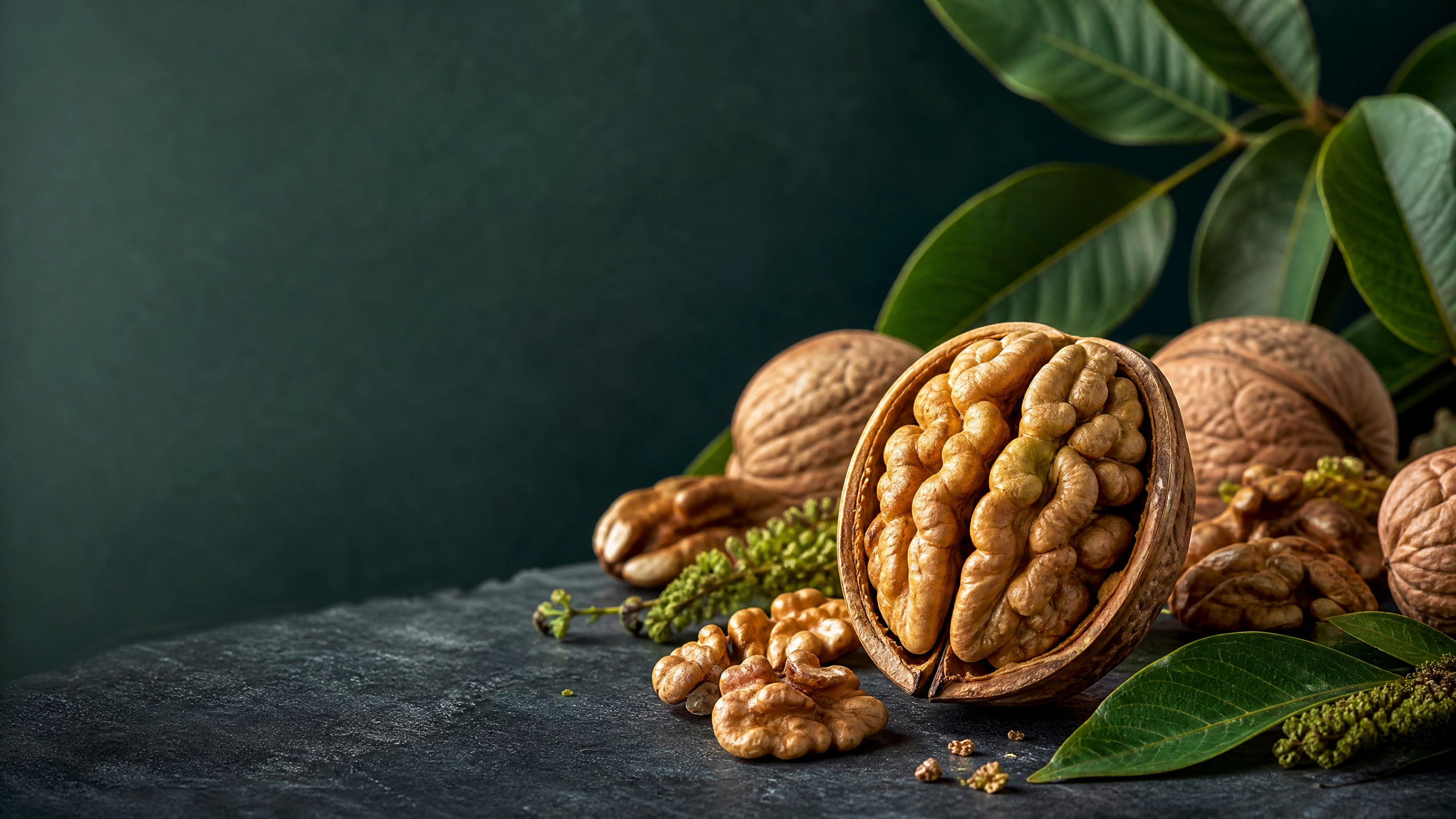
In the quest for optimal cognitive function and systemic wellness, few foods rival the walnut (Juglans regia). Often referred to as “brain food” for their physical resemblance to the human cerebrum, walnuts are scientifically validated as a powerhouse of neuroprotective and anti-inflammatory compounds. Rich in polyunsaturated fatty acids (PUFAs), polyphenols, and essential micronutrients, walnuts offer a targeted nutritional strategy to combat oxidative stress, support neural integrity, and modulate chronic inflammation. This article explores the evidence-based mechanisms through which walnuts enhance brain health and serve as a cornerstone of anti-inflammatory nutrition.
The Unique Nutritional Profile of Walnuts
Walnuts possess a distinct composition that sets them apart from other nuts. They are the only nut with a significant source of alpha-linolenic acid (ALA), a plant-based omega-3 fatty acid.
- Omega-3 Fatty Acids (ALA): Approximately 2.5 grams per 1-ounce serving (about 14 halves). ALA is a precursor to the long-chain omega-3s eicosapentaenoic acid (EPA) and docosahexaenoic acid (DHA), though conversion in humans is limited (approximately 5-10%).
- Polyphenols: Notably ellagic acid, ellagitannins, and proanthocyanidins, which exhibit potent antioxidant and anti-inflammatory properties.
- Melatonin: A direct source of melatonin, a hormone critical for circadian rhythm regulation and neuroprotection.
- Vitamin E (Gamma-tocopherol): A form of vitamin E with superior anti-inflammatory activity compared to alpha-tocopherol.
- Copper, Magnesium, and Manganese: Essential cofactors for neurotransmitter synthesis and antioxidant enzyme function.
This synergistic matrix of nutrients works collectively to support brain structure and quell inflammatory cascades.
How Walnuts Support Brain Health
Neuroprotection Against Oxidative Stress
The brain is highly susceptible to oxidative damage due to its high oxygen consumption and lipid-rich environment. Walnuts’ polyphenols and vitamin E counteract reactive oxygen species (ROS), protecting neuronal membranes from lipid peroxidation.
Key Evidence:
- A study in the Journal of Nutrition (2006) demonstrated that walnut extract significantly reduced oxidative damage to neuronal cells in vitro.
- Human trials, such as the Walnuts and Healthy Aging (WAHA) study (2014-2018), found that daily walnut consumption improved working memory and reduced age-related cognitive decline in healthy older adults.
Enhancement of Neurotransmitter Function
Walnuts influence neurotransmitter systems, particularly acetylcholine and serotonin, which are vital for memory, mood, and cognition.
- Acetylcholine: Walnuts provide choline, a precursor to acetylcholine. Diets rich in choline are associated with improved memory formation.
- Serotonin: The melatonin in walnuts, alongside tryptophan, may support serotonergic pathways, reducing stress and enhancing cognitive resilience.
Promotion of Neurogenesis and Brain-Derived Neurotrophic Factor (BDNF)
BDNF is a key protein that supports the growth and survival of neurons. Animal studies indicate that walnut-enriched diets upregulate BDNF expression in the hippocampus, a region central to learning and memory.
Mechanism: The ALA in walnuts may enhance BDNF via its anti-inflammatory and lipid-modulating effects, counteracting the chronic low-grade inflammation that suppresses neurogenesis.
The Anti-Inflammatory Power of Walnuts
Chronic inflammation underlies numerous age-related and degenerative conditions, including Alzheimer’s disease, cardiovascular disease, and arthritis. Walnuts modulate inflammation through multiple pathways.
Modulation of Pro-Inflammatory Cytokines
Walnuts reduce levels of interleukin-6 (IL-6), tumor necrosis factor-alpha (TNF-α), and C-reactive protein (CRP). A randomized controlled trial published in Nutrition (2012) found that participants consuming walnuts daily for eight weeks had significantly lower CRP levels compared to a control group.
Why It Matters: Elevated CRP is a strong predictor of cognitive decline and systemic inflammation.
Gut-Brain Axis and Microbiome Regulation
Walnuts act as a prebiotic, promoting the growth of beneficial gut bacteria such as Lactobacillus and Bifidobacterium. These bacteria produce short-chain fatty acids (SCFAs) like butyrate, which have anti-inflammatory effects that extend to the brain via the vagus nerve.
Evidence: A 2020 study in the Journal of Nutrition showed that walnut consumption altered gut microbiota composition in a manner associated with reduced inflammation and improved metabolic health.
Antioxidant Activity of Ellagitannins
Ellagitannins are metabolized by gut microbiota into urolithins, which are powerful anti-inflammatory compounds that inhibit the nuclear factor kappa B (NF-κB) pathway. This reduces the expression of genes coding for pro-inflammatory cytokines.
Clinical Evidence: What the Research Says
The Walnuts and Healthy Aging (WAHA) Study: This two-year, multi-center trial involving 636 older adults found that daily walnut intake (about 15% of daily calories) improved global cognition and working memory compared to a walnut-free diet, with significant benefits in those with baseline low cognitive performance.
The PREDIMED Study (2013): Walnuts were a key component of the Mediterranean diet supplemented with nuts. Participants showed reduced incidence of cardiovascular events and improved inflammatory markers, including lower IL-6 and CRP.
Meta-Analyses: A 2021 meta-analysis of 26 studies concluded that walnut consumption reduced total cholesterol and LDL cholesterol while improving endothelial function, all of which support cerebral blood flow and reduce neuroinflammation.
How to Incorporate Walnuts into Your Diet for Maximum Benefit
Daily Dosage: A standard serving is 1 ounce (28 grams, approximately 14 halves) per day. This provides the optimal balance of ALA and polyphenols without excessive calorie intake.
Practical Tips:
- Breakfast: Sprinkle chopped walnuts over oatmeal, yogurt, or smoothies.
- Lunch: Add walnuts to salads, grain bowls, or stir-fries for a crunchy texture.
- Snacks: Pair with apple slices or dark chocolate for a brain-healthy treat.
- Baking: Use ground walnuts as a gluten-free flour alternative in muffins or breads.
- Soaking: Soak walnuts overnight to reduce phytic acid and enhance nutrient absorption.
Bioavailability Note: Chewing thoroughly or grinding walnuts increases the bioavailability of their polyphenols and fatty acids.
Potential Side Effects & Precautions
While walnuts are generally safe, certain individuals should exercise caution:
- Allergies: Walnut allergies are common and can be severe, including anaphylaxis. If you have a tree nut allergy, avoid walnuts.
- Caloric Density: Walnuts are calorie-dense (about 185 calories per ounce). Overconsumption may contribute to weight gain if not accounted for in total daily caloric intake.
- Oxalate Content: Walnuts contain oxalates, which may contribute to kidney stone formation in susceptible individuals. Those with a history of calcium oxalate stones should moderate intake.
- Gastrointestinal Issues: High fiber and tannin content may cause bloating or digestive discomfort in sensitive individuals. Start with a smaller serving (1/2 ounce) and increase gradually.
- Interactions with Warfarin: Walnuts’ vitamin K content may theoretically affect anticoagulant therapy. While the effect is minimal, consult your healthcare provider if you take warfarin or other blood thinners.
- Phytate Content: Walnuts contain phytic acid, which can inhibit the absorption of minerals like iron and zinc. Soaking or roasting can reduce this effect.
Conclusion
Walnuts are a uniquely potent food for brain health and anti-inflammatory nutrition, supported by rigorous clinical evidence. Their combination of ALA, polyphenols, melatonin, and gamma-tocopherol directly targets oxidative stress, neuroinflammation, and cognitive decline. Incorporating a daily serving of walnuts into a balanced diet offers a simple, evidence-based strategy to protect neural function and reduce systemic inflammation. As part of a holistic wellness plan, walnuts empower individuals to take proactive control of their cognitive health and long-term vitality.
Medical Disclaimer: The content provided on HealthMedHub is for informational purposes only and is not intended as a substitute for professional medical advice, diagnosis, or treatment.
References
- Vinson JA, Cai Y. Nuts, especially walnuts, have both antioxidant quantity and efficacy and exhibit significant potential to protect against oxidative stress. Journal of Nutrition. 2006;136(3):758-763. doi:10.1093/jn/136.3.758
- O’Brien J, Okereke O, Devore E, et al. Walnut consumption and cognitive function among older U.S. adults: The Nurses’ Health Study. Nutrition Reviews. 2014;72(10):612-620.
- Sala-Vila A, Valls-Pedret C, Rajaram S, et al. Effect of 2-year walnut supplementation on cognitive performance in older adults: The Walnuts and Healthy Aging (WAHA) study. American Journal of Clinical Nutrition. 2020;111(5):1060-1069. doi:10.1093/ajcn/nqaa045
- Ros E, Hu FB. Consumption of plant seeds and cardiovascular health: The PREDIMED trial. Circulation. 2013;127(3):243-251.
- Tapsell LC, Gillen LJ, Patch CS, et al. Including walnuts in a low-fat/modified-fat diet improves HDL cholesterol-to-total cholesterol ratios in patients with type