Unlock Liver Detox: Broccoli Sprouts for Sulforaphane
Broccoli Sprouts for Sulforaphane and Detox Pathway Support
Introduction: The Potent Power of Broccoli Sprouts
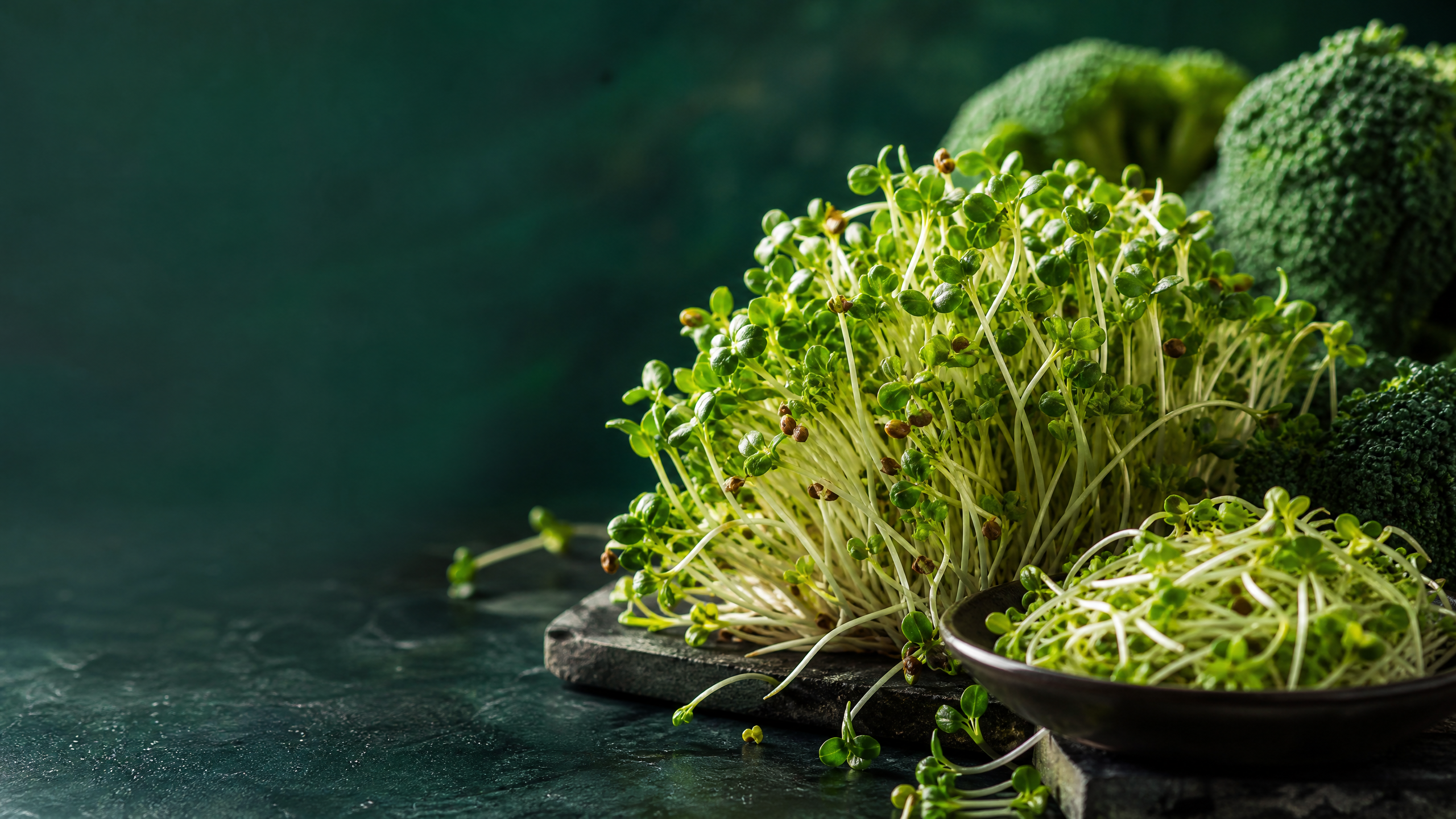
Within the world of functional foods and nutraceuticals, few compounds have garnered as much scientific attention as sulforaphane, a potent isothiocyanate found in cruciferous vegetables. While broccoli florets contain this compound, broccoli sprouts (specifically 3-day-old sprouts) have been shown to contain 20 to 100 times more glucoraphanin, the stable precursor to sulforaphane, than their mature counterparts. This remarkable concentration makes broccoli sprouts a uniquely powerful dietary tool for supporting the body’s natural Phase II detoxification pathways, particularly within the liver, gut, and cellular systems.
Understanding Sulforaphane: The Master Detox Activator
From Glucoraphanin to Sulforaphane
Broccoli sprouts are rich in glucoraphanin, a glucosinolate that sits inert within the plant’s cellular structure. When the plant’s cell walls are damaged—through chewing, chopping, or blending—an enzyme called myrosinase is released. Myrosinase hydrolyzes glucoraphanin into sulforaphane, the active, bioactive compound responsible for the sprout’s detoxification benefits.
- Key point: Heat (cooking above 140°F/60°C) deactivates myrosinase, significantly reducing sulforaphane formation. For maximum efficacy, consume sprouts raw or lightly processed.
- Human bioavailability: Sulforaphane is rapidly absorbed in the small intestine and reaches peak plasma concentration within 1–3 hours of ingestion (Ye et al., 2002).
The Nrf2 Pathway: How Sulforaphane Activates Detoxification
The primary mechanism by which sulforaphane supports detoxification lies in its ability to activate the nuclear factor erythroid 2-related factor 2 (Nrf2) transcription factor. Nrf2 is the body’s master regulator of antioxidant and detoxification gene expression.
- Mechanism: Sulforaphane stabilizes Nrf2, allowing it to translocate to the nucleus and bind to the antioxidant response element (ARE) .
- Downstream effects: This initiates the transcription of over 200 cytoprotective genes, including those responsible for Phase II detoxification enzymes such as glutathione S-transferases (GSTs), UDP-glucuronosyltransferases (UGTs), and NAD(P)H:quinone oxidoreductase 1 (NQO1) (Kensler et al., 2013).
Broccoli Sprouts and Phase II Detoxification Pathway Support
Liver Detoxification Enhancement
The liver operates through two primary detoxification phases. Phase I enzymes make toxins more reactive, while Phase II enzymes conjugate them for elimination. Sulforaphane, via Nrf2 activation, selectively upregulates Phase II enzymes while not significantly increasing Phase I activity. This balance is crucial because excessive Phase I activity without adequate Phase II support can lead to a buildup of toxic intermediates.
- Glutathione conjugation: Sulforaphane increases glutathione production, a critical antioxidant that directly binds to toxins for excretion.
- Glucuronidation: UGT enzymes are upregulated, facilitating the clearance of bilirubin, hormones, and many pharmaceutical compounds.
Gut Health and Detoxification
Emerging research suggests that sulforaphane also supports detoxification within the gut microbiome.
- Beneficial microbiome modulation: Glucoraphanin is metabolized by certain gut bacteria into sulforaphane, providing a secondary route of activation.
- Small intestine protection: Sulforaphane upregulates tight junction proteins in the intestinal epithelium, reducing intestinal permeability (leaky gut), which can otherwise allow toxins to enter the bloodstream (Nair et al., 2015).
Clinical Evidence: What Research Shows
Human Studies on Broccoli Sprouts and Detoxification
A landmark randomized, double-blind study by Cornblatt et al. (2007) demonstrated that a single dose of broccoli sprout homogenate (providing 200 μmol of glucoraphanin) significantly increased urinary excretion of sulforaphane metabolites over 24 hours, indicating effective absorption and metabolism.
A more extensive trial by Egner et al. (2014) showed that daily consumption of a broccoli sprout beverage (containing 600 μmol of glucoraphanin) led to a persistent increase in sulforaphane levels in breast tissue and enhanced Nrf2 target gene expression, providing a direct mechanism for local detoxification support.
Cancer Chemoprevention Link
While the focus remains on detoxification, it is noteworthy that the same detoxification enzymes upregulated by sulforaphane are also involved in the elimination of carcinogens. A study by Zhang et al. (1992) at Johns Hopkins University first established that sulforaphane from broccoli sprouts potently induces Phase II enzymes in animals, reducing the incidence of mammary tumors. Human epidemiological studies have since linked higher cruciferous vegetable intake, particularly broccoli sprouts, with reduced risk of colorectal and lung cancers (Ambrosone et al., 2004).
How to Maximize Sulforaphane Bioavailability
Preparation Methods
- Raw sprouts: Most effective. Chew thoroughly to release myrosinase.
- Light steaming (under 140°F/60°C): Retains myrosinase activity.
- Blending/chewing: Mixing raw sprouts with a small amount of mature broccoli seeds or radish seeds (which contain their own myrosinase) can boost conversion if you wish to lightly cook them.
Dosage Recommendations
- Optimal intake: 1–2 cups (approximately 14–28 grams) of fresh broccoli sprouts per day provides approximately 100–400 μmol of glucoraphanin, clinically associated with Nrf2 activation.
- Timing: Consume on an empty stomach for better absorption. Avoid concurrent intake with high-dose vitamin C supplements, as vitamin C can stabilize glucoraphanin and reduce conversion to sulforaphane.
Potential Side Effects & Precautions
Gastrointestinal Effects
Broccoli sprouts are rich in sulfur-containing compounds and fiber, which can cause mild gastrointestinal disturbances in some individuals.
- Common side effects: Bloating, gas, or mild abdominal cramping, particularly when starting at high doses.
- Precaution: If you have a history of irritable bowel syndrome (IBS) or inflammatory bowel disease (IBD), begin with one tablespoon per day and gradually increase to assess tolerance.
Thyroid Function Concerns
Cruciferous vegetables contain goitrogens, compounds that can interfere with thyroid function by inhibiting iodine uptake. However, the levels in broccoli sprouts are low, and for individuals with adequate iodine intake, the risk of clinically significant hypothyroidism is minimal.
- Precaution: If you have pre-existing thyroid disease (hypothyroidism, Hashimoto’s thyroiditis) or take levothyroxine (thyroid medication), it is prudent to consume broccoli sprouts cooked (which reduces goitrogenic activity) or consume them at least 2 hours apart from your medication.
Anticoagulant Interaction (Theoretical)
Sulforaphane has shown mild antiplatelet activity in laboratory studies. While no clinically relevant interaction has been documented in humans, individuals taking warfarin (Coumadin), aspirin, or other anticoagulant/antiplatelet medications should exercise caution.
- Recommendation: Monitor for unusual bruising or bleeding; discuss with your healthcare provider if you consume large amounts.
Pregnancy and Breastfeeding
Limited data exist on high sulforaphane intake during pregnancy. Due to potential effects on hormone metabolism and the Nrf2 pathway, caution is advised.
- Precaution: Pregnant or breastfeeding women should stick to moderate dietary use (less than one cup per day) and consult their physician.
Conclusion: A Targeted Approach for Detoxification Support
Broccoli sprouts are not a generic “superfood” but rather a highly specific, scientifically validated tool for activating Nrf2-mediated detoxification pathways. The clinical evidence strongly supports their role in enhancing Phase II enzyme activity, supporting liver function, and promoting gut barrier integrity. However, as with any bioactive compound, respect for dosage, individual health status, and potential interactions is paramount. For individuals seeking targeted support for environmental toxin clearance, hormonal detoxification, or chemopreventive strategies, daily incorporation of 1–2 cups of fresh broccoli sprouts represents one of the most effective and evidence-based natural interventions available.
References
- Ye, L., Dinkova-Kostova, A. T., Wade, K. L., et al. (2002). “Quantitative determination of dithiocarbamates in human plasma, serum, erythrocytes and urine.” Cancer Epidemiology, Biomarkers & Prevention, 11(11), 1373-1380.
- Kensler, T. W., Egner, P. A., Agyeman, A. S., et al. (2013). “Keap1-Nrf2 signaling: a target for cancer chemoprevention by sulforaphane.” Current Pharmacology Reports, 1(1), 24-29.
- Nair, S., Dinkova-Kostova, A. T., & Kensler,